
If you’ve ever dreamed of walking the same paths the ancient Incas used to connect their sacred cities, the Inca Trails are the best way to do it. These routes not only offer breathtaking landscapes but also a unique cultural and spiritual experience. Through different paths, it’s possible to discover everything from hidden ruins to the most sacred mountains of the Andes. Below, we present the main Inca routes for trekking in Cusco.
1. Inca Trail
The Inca Trail is the most famous trekking route in South America and one of the best in the world. This ancient network of trails connected the imperial city of Cusco with other points of the Inca Empire, being the most important route to Machu Picchu. Today, the trail has become a unique experience for those seeking to combine adventure, history, and nature.
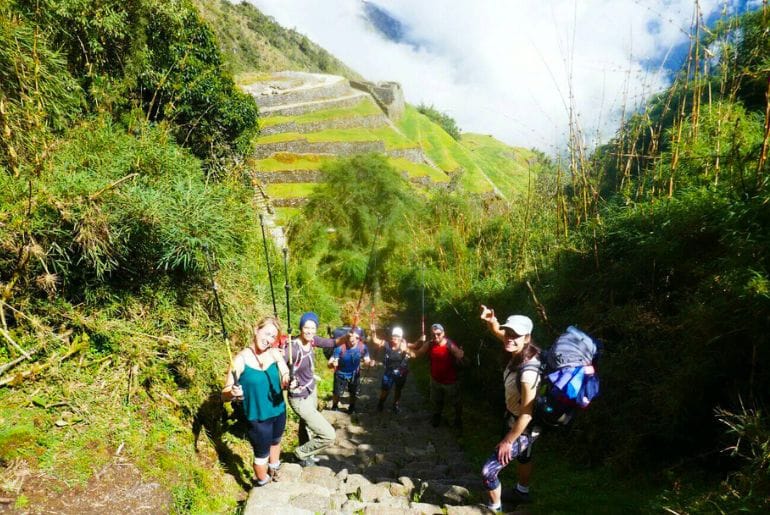
Classic Trail (4 Days)
The Classic Inca Trail lasts 4 days and 3 nights, crossing stunning landscapes like mountains, cloud forests, and archaeological ruins before reaching the Sun Gate (Inti Punku), the main entrance to Machu Picchu. It is a challenging route, ideal for those looking for a complete trekking experience.
Short Trail (2 Days)
If you’re short on time, the Short Inca Trail is the perfect option. This route lasts 2 days and 1 night, starting at kilometer 104 of the railway line to Machu Picchu. Although shorter, it also offers the chance to see impressive ruins like Wiñay Wayna and enter Machu Picchu through the Sun Gate.
2. Hydroelectric to Aguas Calientes
This route is a short and budget-friendly alternative to reach Machu Picchu without losing the essence of hiking. It begins with a bus ride from Cusco to the hydroelectric station, followed by a walk of approximately 3 hours along the train tracks to the town of Aguas Calientes. Although not an ancestral route, it offers a peaceful adventure through the jungle and along the Urubamba River.
3. Inca Jungle
The Inca Jungle is an adventure route that combines trekking, mountain biking, rafting, and zip-lining before arriving at Machu Picchu. This 4-day journey is perfect for adrenaline lovers, as it crosses jungle paths and varied landscapes, in addition to offering a cultural experience with visits to local communities.
4. Huchuy Qosqo
The trek to Huchuy Qosqo is a short and lesser-known route that can be completed in 1 or 2 days. This ancient archaeological site is located high in the Sacred Valley, and reaching it requires good physical preparation, as the trail includes numerous ascents and offers stunning panoramic views along the way.
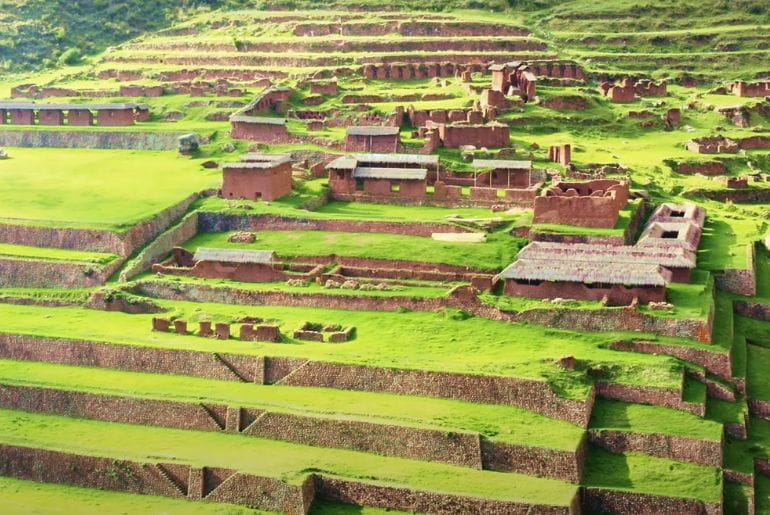
5. Choquequirao Trek
Choquequirao is an off-the-beaten-path alternative among adventurers and hikers, as its trek is more extreme compared to other routes. This Inca city, hidden atop a mountain, offers an unparalleled experience for those seeking extreme challenges. The hike lasts between 4 and 5 days, or even longer, with steep ascents and descents that test physical endurance. However, the effort is entirely worth it, as the archaeological site is one of the most impressive in Peru, rivaling Machu Picchu in grandeur while remaining practically crowd-free.
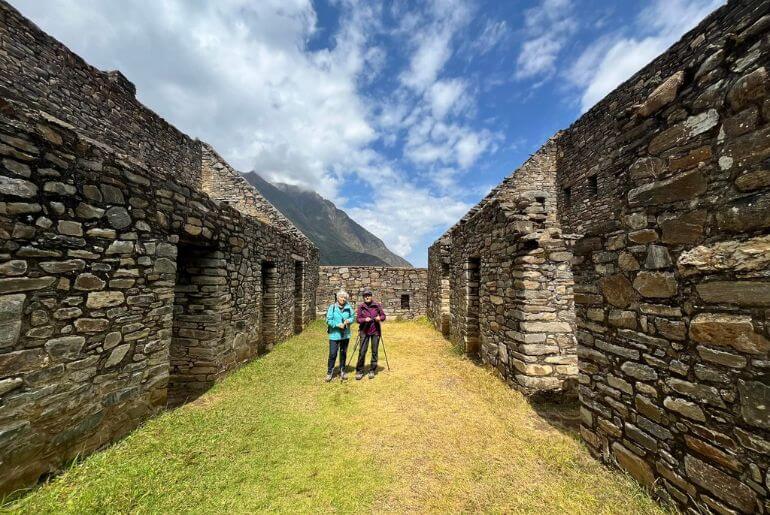
6. Salkantay Trek
The Salkantay Trek is a popular alternative to the Inca Trail, combining high mountain landscapes with tropical jungle. This route of 5 days or more crosses the majestic Salkantay Pass, considered sacred by the Incas, before descending into the Santa Teresa Valley and finally reaching Machu Picchu.
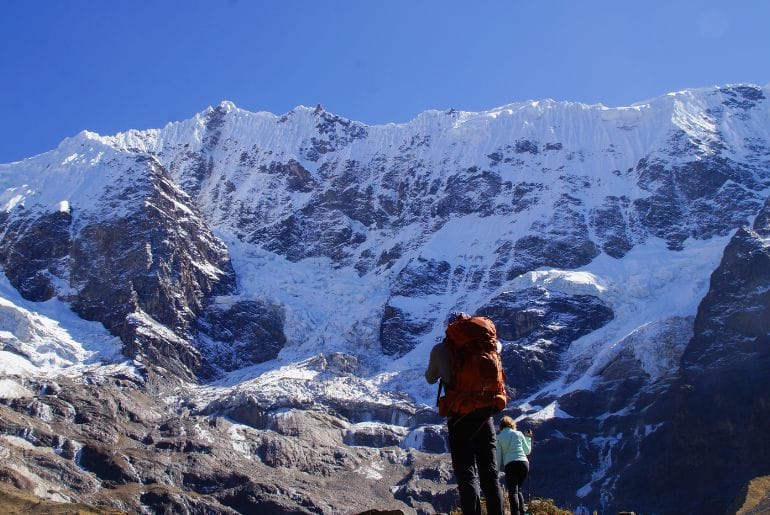
7. Ausangate Trek
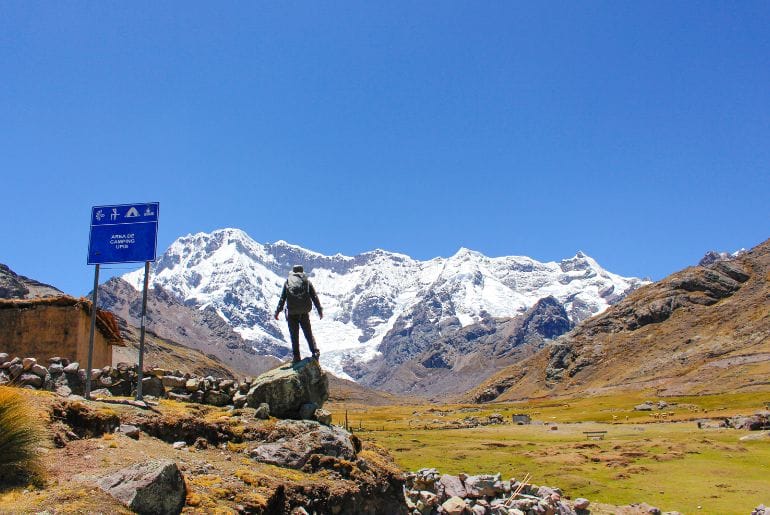
The Ausangate Trek is one of the most challenging and remote routes in Cusco. This multi-day journey circles the sacred Ausangate Mountain and its surroundings, passing by turquoise and green lagoons, glaciers, and Andean villages. This trekking route is also considered extreme due to its altitude, which exceeds 5,000 meters above sea level, adding an extra challenge for adventurers. Finally, don’t forget to enjoy and relax your body in the soothing hot springs of Pacchanta — the perfect way to wrap up your adventure.
8. Lares Trek
The Lares Trek combines adventure and culture, crossing traditional communities such as Wacahuasi and Lares, where travelers can share experiences and customs with local families. This 3 or 4-day route offers the ideal opportunity to admire mountain landscapes, snow-capped peaks, crystal-clear lagoons, and the chance to relax in its hot springs while learning about the daily life of Andean inhabitants.

9. Vilcabamba Last Inca City
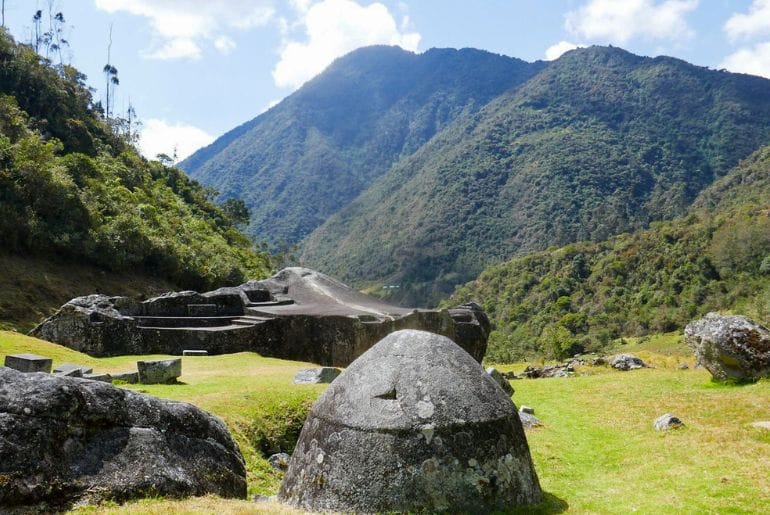
The Vilcabamba trek is a little-explored route that follows the Inca paths to the last capital of the Inca resistance. This multi-day journey traverses jungle, mountains, and archaeological sites, making it one of the most authentic hikes for adventurers seeking to uncover the hidden history of the Incas.
Conclusion
The Inca Trails not only offer an unforgettable adventure but also the opportunity to explore the history, culture, and nature of the Andes. From the classic routes to Machu Picchu to lesser-known paths like Ausangate and Vilcabamba, each trail reveals a part of the Inca legacy that still endures.
If you’re looking for a unique experience in Cusco, exploring one of these routes will be the best way to feel part of the living history of the Andes.
Frequently Asked Questions
If you have any questions about the article, you can check out our FAQ section, specially prepared for you.
What is the best time to go trekking in Cusco?
The best time is during the dry season, between May and September, when there is less rain, and the landscapes are clearer.
Is it safe to go trekking with children?
Routes like Huchuy Qosqo or the walk to Aguas Calientes are ideal for children due to their low difficulty.
Can you hike the Inca Trail without authorization?
No, the Inca Trail requires a permit and must be done with an authorized agency.
Which route offers the best natural landscapes?
The Salkantay Trek and Ausangate Trek offer the most impressive natural landscapes in the region.
What is the best route for beginners on the Inca Trails?
The Huchuy Qosqo route or the Short Inca Trail are ideal for beginners, as they have short distances and less challenging terrain.
What is the most popular hike on the Inca Trails?
The 4-day Classic Inca Trail is the most popular route, as it combines nature, archaeological ruins, and the arrival at Machu Picchu through the Sun Gate.
Is acclimatization necessary before trekking?
Yes, it is recommended to spend at least 2 days in Cusco or at similar altitudes before any trek to adapt to the altitude and prevent altitude sickness.
Is it mandatory to hire an agency to do the treks?
Only the Classic Inca Trail requires hiring an authorized agency. The rest of the routes can be done independently, although going with a guide is recommended for a better experience and safety.
What type of clothing should be taken for the Inca Trails?
It is recommended to bring thermal clothing, waterproof jackets, trekking shoes, hats, rain ponchos, sunglasses, and sunscreen, as the weather can change quickly.
Is there cell phone signal during the treks?
Most routes do not have cell phone signal, especially on remote trails like Ausangate or Choquequirao.
Is it necessary to carry water, or are there supply points?
It is recommended to bring enough water or purification tablets, as supply points may be limited.
How many hours do you walk per day?
It depends on the route, but the average is between 6 and 8 hours per day. Short walks like Huchuy Qosqo last around 4 hours per day.
What is the most difficult route on the Inca Trails?
The Ausangate Trek and Choquequirao are considered the most difficult due to altitude, terrain, and duration.
What happens if someone gets sick during the trek?
On popular routes like the Inca Trail, guides carry first aid kits. However, on remote routes like Ausangate, it is important to bring personal medications.
Do treks include meals?
Tours with agencies include meals, tents, and porters. If you go on your own, you must bring your own food and utensils.
Is travel insurance necessary to do the treks?
It is highly recommended to have travel insurance that covers accidents, evacuations, and medical expenses.
What is the difference between the Inca Trail and the Salkantay Trekking?
The Inca Trail is an ancestral route that ends at Machu Picchu, while the Salkantay Trek crosses high mountain landscapes and does not have access through the Sun Gate.
Do the treks include horses to carry luggage?
On routes like Salkantay and Ausangate, horses can be hired to carry luggage for an additional cost.
What happens if it rains during the trek?
It is recommended to bring waterproof clothing, ponchos, and a rain cover to protect your backpack and equipment from getting wet.
Are there bathrooms at the campsites?
Most campsites have basic bathrooms, but it is recommended to bring toilet paper and antibacterial gel.
Is it necessary to be in good physical condition to do the Inca Trails?
It depends on the route. The Classic Inca Trail and Salkantay Trek require good physical condition, while short routes like Huchuy Qosqo are more accessible.
Do you need a permit for routes like Salkantay or Ausangate?
No, only the Inca Trail requires special permits. Other routes are open to the public without restrictions.
Related Posts:
10 Practical Tips For Conquering The Salkantay Trekking
Lares Trek and Inca Trail: Comparison and Differences
Salkantay Trek to Machu Picchu: Things to Know for The Best Trek
How challenging is the Ausangate Trek?
The Apus: The Spirits of the Mountains and Their Significance
Trekking Trip: Complete Packing List for an Overnight Hike
Ausangate Mountain: The Most Important Sacred Mountain
Machu Picchu vs Choquequirao: The Ultimate Guide