
The Inca Empire is renowned for its sophisticated road network, which spanned diverse and challenging terrains, uniting high-altitude Andean regions with the lowlands of the Amazon. This vast and intricate network not only facilitated trade and military control but also linked key Inca settlements. Among these sites, Choquequirao stands out as a fascinating and lesser-known destination for adventurers and historians alike. So, Choquequirao and the Inca Trail are both part of the broader Inca road system? Let’s explore the connections and reveal what makes this site so unique in the context of the Inca road system.
Choquequirao and the Inca Trail: What’s the Connection?
While Choquequirao is often mentioned alongside the famous Inca Trail to Machu Picchu, it is not directly on the main Inca Trail. However, it is undeniably linked to the broader Inca road network, a vital system of paths that connected the heart of the empire across the Andean mountains and into the Amazon basin.
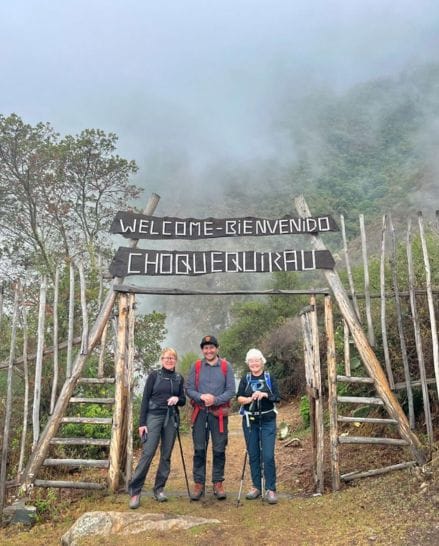 Choquequirao Archaeological Park
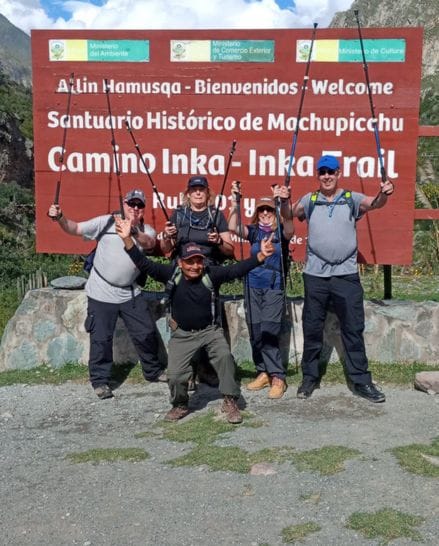 Inca Trail to Machu Picchu
The Inca Trail to Machu Picchu is a highly popular route that leads trekkers through stunning landscapes and historical sites, but Choquequirao, often referred to as the “sister city” of Machu Picchu, lies off the beaten path. To reach Choquequirao, trekkers must embark on a more remote and rugged journey, often starting from the town of Cachora, and it’s considered a more challenging and less crowded trek compared to the traditional Inca Trail.
The Vital Inca Road Network: Connecting the Andes to the Amazon
The Inca road network played an essential role in connecting the high Andean cities with the lowland regions. Some of the most significant routes have been identified and are still in use by modern travelers, tourists, and researchers. These routes not only facilitated trade but also helped the Incas exert military control over vast areas of land.
Main Inca Routes:
The road to Vitcos continues towards Espiritupampa, believed to be one of the final strongholds of the Inca resistance.
Routes through Yanama lead to Machu Picchu and other important sites.
Paths that pass through Mollepata and Marcahuasi, as well as routes through Curahuasi-Abancay, taking travelers through Cachora and Huanipaca.
While Choquequirao isn’t on the main Inca Trail that connects Cusco to Machu Picchu, it is part of the same vast and interconnected network of roads that helped maintain the unity of the Inca Empire. These roads were not just for trade and communication—they served as military outposts and links between various parts of the empire, stretching from the high Andean mountains to the depths of the Amazon basin.
The Hidden Paths and Lost Cities of the Vilcabamba Región
Beyond the well-known Inca Trail routes, there are still many hidden paths that remain largely unexplored. These routes connect smaller archaeological complexes, some of which have only recently been identified. Ccorihuayrachina and the Cotacoca complex are two such examples. These sites, though not as famous as Choquequirao, shed light on the extensive network of Inca roads and settlements.
The Cotacoca complex, for example, was not primarily an agricultural area but served administrative and storage purposes, likely playing a key role in the flow of goods along the Inca roads. Archaeologist Gary Ziegler suggests that many of these sites, which were once part of the larger Vilcabamba region, were likely connected by the Inca road network, facilitating trade and communication throughout the empire.
During the early colonial period, indigenous informants revealed to Spanish officials that these “lost” cities and settlements were vital components of the Inca road network. These centers acted as hubs, connecting the high Andes with the lowland Amazon, and played essential roles in the organization and expansion of the Inca Empire.
Llactas in the pre-Hispanic period were settlements driven more by political urgency than by needs arising from the natural development of Andean society, and this is a key difference compared to the urban planning models of other civilizations.
What is the Inca Trail?
The Inca Trail is a historic system of routes constructed by the Incas, leading to the sacred citadel of Machu Picchu. It is one of the most famous hikes in the world due to its natural beauty, archaeological richness, and the epic finale it offers: entering through the mythical Sun Gate (Inti Punku).
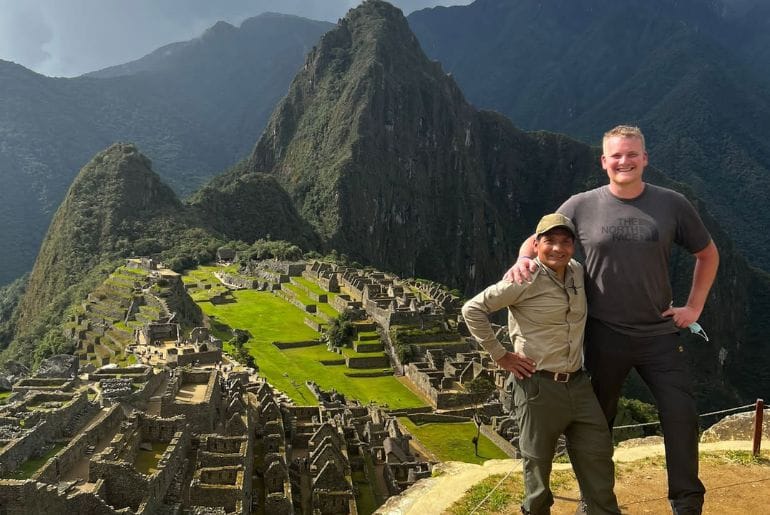
How long does the Inca Trail take?
The classic Inca Trail route takes 4 days and 3 nights, although there is a shorter version of 2 days and 1 night for those with less time or who prefer a lighter hike.
What is the main difficulty of the trek?
The altitude and long uphill climbs are the biggest challenges. The trail’s highest point is the Warmiwañusca Pass, standing at 4,215 meters above sea level, where proper acclimatization is essential.
Main features of the Inca Trail
- Guided hike with limited permits.
- Impressive archaeological sites along the route.
- Landscapes that change throughout the journey.
- Direct finish at Machu Picchu.
Advantages of the Inca Trail
- Exclusive entrance through the Sun Gate.
- Archaeological richness at every step.
- Professional organization with porters and campsites.
Disadvantages of the Inca Trail
- Permits tend to sell out fast and should be booked months ahead of time.
- Not as remote as other routes: more visitor traffic.
What is the Choquequirao Trek?
The Choquequirao Trek is a hike that takes you to the Inca citadel known as the “sacred sister of Machu Picchu.” It is considered an archaeological treasure still largely unexplored, located high in the mountains of Cusco.
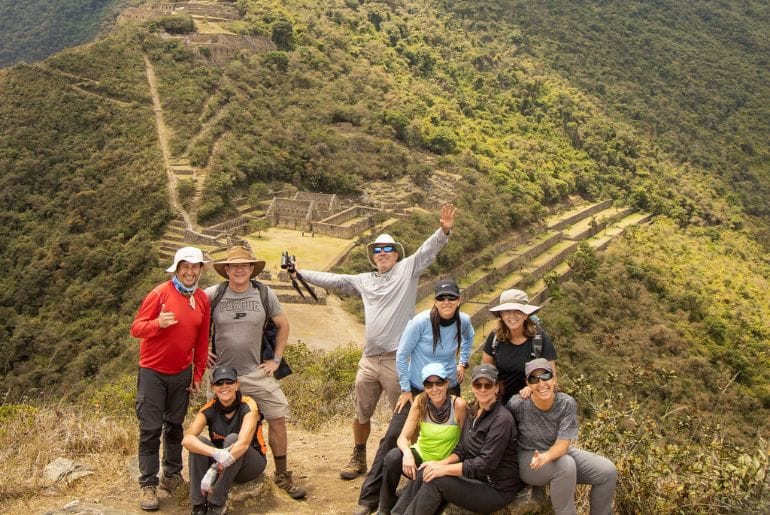
How long does the Choquequirao hike take?
The classic Choquequirao trek lasts 4 to 5 days, although there are longer routes that combine it with others like Vilcabamba or even Salkantay, extending the journey to 8 days or more.
What is the main difficulty of the trek?
The trail is physically challenging because of its high altitude and steep climbs and descents, especially through the Apurímac canyons. There are not as many tourist services as on other routes.
Main features of Choquequirao
- An archaeological site as impressive as Machu Picchu, but far less visited.
- A solitary route, ideal for those seeking disconnection.
- Varied ecosystems: from arid zones to cloud forests.
Advantages of the Choquequirao Trek
- Very low tourist traffic.
- No official permits required.
- Ideal for lovers of remote and sacred places.
Disadvantages of the Choquequirao Trek
- Does not reach Machu Picchu (unless routes are combined).
- Higher physical difficulty.
- Less tourist infrastructure along the route.
- Package prices and permits
- Inca Trail (4 days): between $550 to $750 USD, includes entrance to Machu Picchu, return train, guide, meals, and campsites. Permit required.
- Choquequirao Trek (4–5 days): between $400 to $600 USD, includes guide, meals, and campsites. No official permits required.
Frequently Asked Questions about Choquequirao and the Inca Trail
Which is better: Inca Trail or Choquequirao?
It depends on your style. If you’re looking for history and comfort with entry to Machu Picchu, choose the Inca Trail. If you prefer a physical challenge and solitude, Choquequirao is your option.
Do both require good physical condition?
Yes. Although the Inca Trail is more organized, both require preparation due to altitude and distance.
Can I combine both routes?
There are longer treks of 8 to 10 days that connect Choquequirao with Machu Picchu—a true adventure for experienced hikers.
What is the best season to do both treks?
From May to September, during the dry season. The weather is more stable, and the trails are safer.
Are there bathrooms or showers at the campsites?
Both treks offer basic toilets at campsites, but there are no showers. It’s recommended to bring toilet paper and personal hygiene items.
Can you do the Choquequirao to Machu Picchu trek without a guide?
Yes, it’s possible, but not recommended unless you have advanced trekking and navigation experience. It’s a long, remote route with little signage.
How many people visit Choquequirao?
It’s estimated that fewer than 10,000 people visit Choquequirao each year, compared to over a million at Machu Picchu. This makes it very quiet and special.
Is there a cable car to Choquequirao?
As of now, no cable car is operating. There were proposals, but the project is on hold due to environmental and cultural concerns.
Is there WiFi on the Choquequirao Trek?
No. The area has no internet or mobile signal for most of the trek.
How long is the trek to Choquequirao?
The classic route takes 4 to 5 days round trip. If extended to Machu Picchu, it may take 8 to 10 days.
How long is the Inca Trail trek?
The classic Inca Trail takes 4 days and 3 nights, while the short version is 2 days and 1 night.
What is the scariest part of Choquequirao?
The descent and ascent of the Apurímac Canyon is the most challenging and feared section due to its steep incline.
What’s the most nerve-wracking part of the Inca Trail?
The climb to Warmiwañusca Pass (Dead Woman’s Pass) is the most demanding, both physically and mentally.
Is Choquequirao the lost city?
Not exactly. It’s known as the “sacred sister of Machu Picchu,” but the actual “last Inca refuge” was Vilcabamba.
Who discovered Choquequirao?
It was first documented in 1710 by Juan Arias Díaz. Later, in 1909, Hiram Bingham visited it before heading to Machu Picchu.
Why isn’t Choquequirao more popular?
Because of its difficult access and lack of tourist infrastructure compared to Machu Picchu. This makes it less commercial and more adventurous.
Why is Choquequirao important?
It was a major political, ceremonial, and agricultural center for the Incas, possibly one of their last strongholds against the Spanish.
Where do you start the Lost City Trek?
Usually from the town of Capuliyoc, about 4 hours by car from Cusco.
How do I get to the lost city of Choquequirao?
You must get to Capuliyoc and from there begin the trek, which takes at least 2 days to reach the citadel.
What ruins in Peru are bigger than Machu Picchu?
Choquequirao covers a larger area, though much of it is still hidden beneath vegetation.
How to hike Choquequirao?
Prepare physically, hire a guide if it’s your first time, camp in designated spots, and respect the natural environment.
Is the Lost City Trek harder than Machu Picchu?
Yes. Choquequirao is more physically demanding, with steeper terrain and fewer modern conveniences.
Is the Lost City Trek more challenging than the hike to Machu Picchu?
Vilcabamba, located north of Choquequirao, was the final stronghold of the Incas during the Spanish conquest.
How much does the Choquequirao trek cost?
Organized tours range from $400 to $600 USD, depending on duration and included services.
What does Choquequirao mean in English?
“Cradle of Gold,” from the Quechua words “Qori” (gold) and “k’iraw” (cradle or ceremonial cradle).
Related Posts:
How To Pack For An Overnight Trekking Trip
The Origin of Choquequirao: A Sacred Sanctuary for the Inca Elite
The Inca Trails: Best Routes for Trekking
Choquequirao: Your Complete Guide to Peru’s Lost Inca City
The Inca Royal Road: What You Didn’t Know About the Qhapaq Ñan
Choquequirao Trek: Reasons to Visit Now