
The Choquequirao Archaeological Complex was constructed by the Incas for their last emperor, Huayna Cápac, and his descendants. What sets Choquequirao apart is not only its remarkable architecture but also its strategic location and unique construction techniques. The site reflects Chachapoya building methods, highlighting the diverse cultures that were integrated into the Inca Empire. Although Huayna Cápac never lived here himself, his descendants made it their home, turning Choquequirao into a vital spiritual and strategic center.
Choquequirao’s Role in the Final Years of the Inca Empire
As the Inca Empire faced collapse during the Spanish invasion in the 16th century, Choquequirao became one of the last strongholds of resistance. For 36 years, this remote and well-hidden city remained untouched by Spanish forces. During this period, it served as a refuge for the Inca elite and indigenous groups from the Amazon region, who sought to escape foreign domination and preserve their culture.
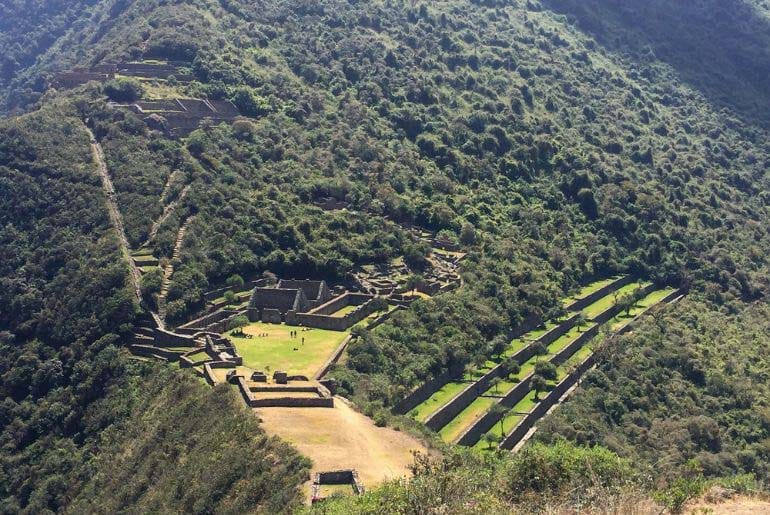
Similar to Machu Picchu, Choquequirao was designed to blend seamlessly into its mountainous environment. Its strategic, isolated location made it an ideal place for the Inca nobility to make a final stand against the invaders. The combination of its rugged natural surroundings and hidden positioning helped protect it from conquest.
A Symbol of Andean Resistance
Choquequirao is more than just a historical site — it stands as a powerful symbol of Andean resistance against the Spanish conquest. While Machu Picchu remains Peru’s most famous archaeological wonder, Choquequirao offers a distinct, more secluded experience. Those who take on the challenging trek to reach this hidden gem are rewarded with spectacular views of remarkably preserved terraces, temples, and structures that have withstood centuries of time.
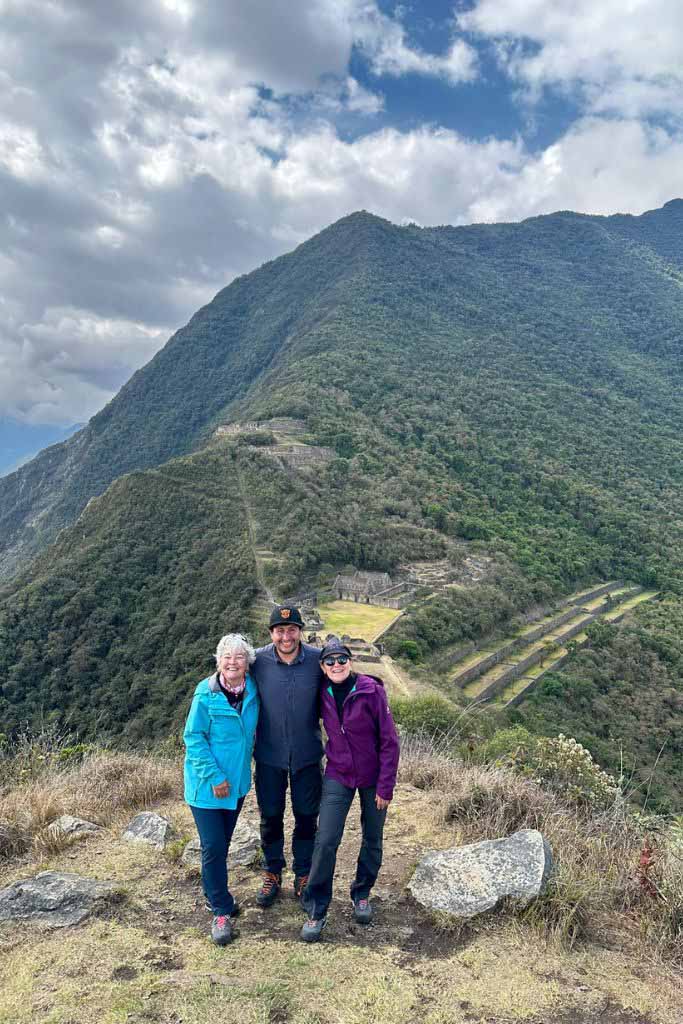
Today, Choquequirao testifies to the resilience of the Andean peoples and their steadfast refusal to surrender to foreign domination. The site continues to draw archaeologists, historians, and adventurers alike, all eager to explore its ruins and deepen their understanding of the final chapter of the Inca Empire.
What was the population of Choquequirao?
Exploring Ancient Andean Urban Centers: Machu Picchu, Choquequirao, and the Cloud Forest Civilizations
The ancient cities of the Andes, especially those nestled in the cloud forests (yungas), reveal fascinating stories about pre-Columbian life and culture. Despite their impressive scale and engineering marvels, these sites were not densely populated. Archaeologist Duccio Bonavia estimates that Andean settlements typically housed between 250 and 500 people per community.
Population of Choquequirao and Machu Picchu
When it comes to Choquequirao, experts believe its population at peak times was between 1,000 and 1,200 inhabitants, similar to Machu Picchu. Though Choquequirao is less famous and less visited, it shares many features with Machu Picchu — from intricate terraces and ceremonial plazas to sophisticated water systems. These cities offer us a rare window into how the Incas adapted to and thrived in challenging mountainous environments.
Machu Picchu: A Marvel of Engineering
Machu Picchu, often hailed as the crown jewel of Inca civilization, also had a relatively small population, ranging between 1,000 and 1,200 residents. Despite this modest size, its complex layout of terraces, temples, and plazas continues to inspire awe worldwide. The site’s location and engineering perfectly blend with the rugged mountain landscape, showcasing the Incas’ incredible ingenuity.
The Significance of Low Population Density in Andean Cities
At first glance, the low population density of Choquequirao and Machu Picchu might surprise those used to sprawling ancient cities in other parts of the world. However, this was a deliberate and sustainable approach by the Incas. By keeping populations small, these cities respected and preserved the delicate cloud forest ecosystem, known for its rich biodiversity and ideal conditions for agriculture. This balance allowed Inca urban centers to flourish in harmony with nature, a lesson still relevant today.
The Legacy of Incan Urban Design
Both Machu Picchu and Choquequirao stand as extraordinary examples of Incan urban planning. These cities were far more than just centers of trade and culture — they were vibrant hubs for religious and ceremonial life. The meticulous design of agricultural terraces, complex water systems, and residential zones nestled within the rugged Andean mountains reflects the Incas’ profound connection to nature and their unmatched skill in creating sustainable, resilient communities that thrived in some of the most challenging environments on earth.
What was Choquequirao used for?
Choquequirao served multiple important roles within the Inca Empire, blending strategic, religious, economic, and symbolic purposes.
1. Strategic Military and Defensive Role
One of its main functions was military. Perched at a high altitude with sweeping views, Choquequirao acted as a defensive outpost. The Incas used it to monitor potential threats, particularly from northern groups like the Chancas, and to secure access to the eastern Andean slopes. It was crucial in protecting the empire’s trade and military routes through this rugged terrain.
2. Religious and Ceremonial Functions
Beyond defense, Choquequirao was likely a sacred place. The Incas’ deep connection to nature and cosmic cycles is reflected here, with terraces and temples aligned to agricultural and astronomical events. It probably hosted important rituals and offerings, especially related to water and fertility, essential for sustaining the empire’s agricultural base.
3. Economic and Administrative Center
Strategically near the Apurímac River’s headwaters, Choquequirao was a hub for trade and communication between the highlands and the Amazon lowlands. The site likely helped coordinate agricultural production, managed trade networks, and maybe even mining activities, reinforcing the economic backbone of the empire.
4. Symbol of Inca Expansion and Control
Choquequirao also symbolized the Inca Empire’s power and reach. Along with other strongholds, it helped integrate the Andes with the Amazon, extending the empire’s political and military influence across a vast and diverse landscape—from the Pacific coast to the rainforest. It stood as a testament to Inca dominance and their capacity to unify distant regions under one rule.
Why Was Choquequirao Abandoned?
Known as the “sister city” of Machu Picchu, Choquequirao remains one of the most captivating and mysterious relics of the Inca Empire. While Machu Picchu rose to worldwide fame, Choquequirao remained hidden and forgotten for centuries. So, what caused this incredible site to be abandoned? Let’s explore the key reasons behind its desertion and why it holds vital clues to understanding the last chapter of the Inca Empire.
The Decline of the Inca Empire
The early 16th century marked the downfall of the Inca Empire, driven by a deadly mix of Spanish conquest, internal conflicts, and economic troubles. As the Spanish forces moved forward, the Incas fell back into the mountains, with Vilcabamba serving as their final stronghold. Choquequirao likely served as one of these isolated refuges. However, as the Spanish closed in, the empire’s resources and manpower were stretched to the breaking point.
Lack of Manpower and Resources
Choquequirao wasn’t abandoned due to a loss of strategic value, but because the Incas didn’t have enough labor or resources to keep it up. With the military focused on survival against overwhelming Spanish forces, vital agricultural and infrastructure operations supporting sites like Choquequirao collapsed. Without enough people to sustain daily life, the city gradually fell into decay.
Its Location and Accessibility
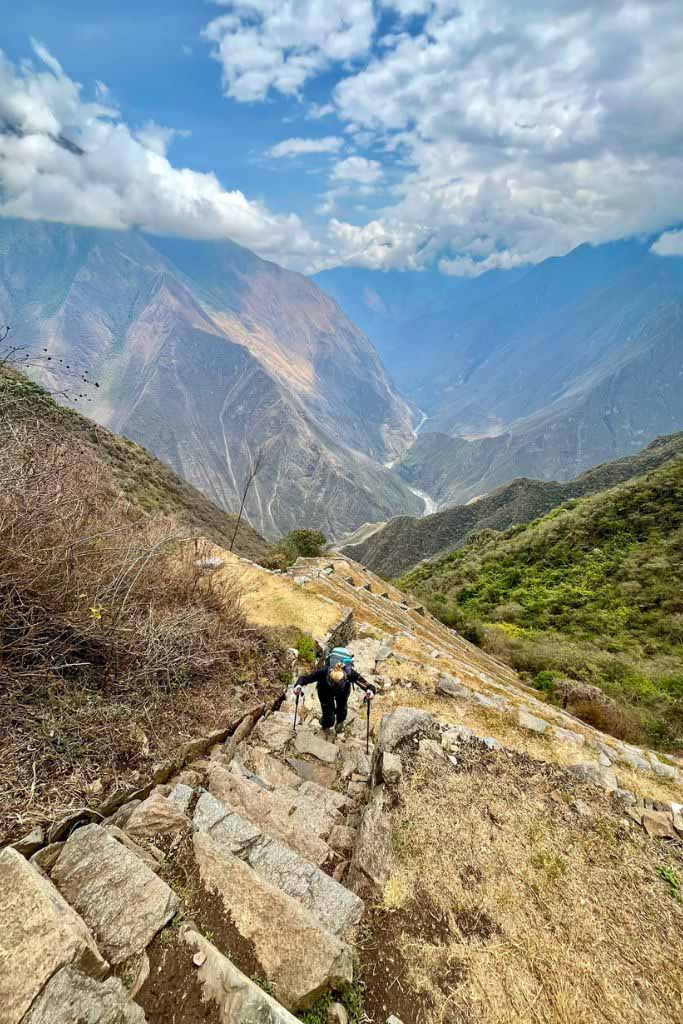
Choquequirao’s remote, mountainous location in the Peruvian Andes made it difficult to supply and defend. Although it was significant, its distance from major Inca roads and the treacherous terrain surrounding it limited its strategic value during desperate times. Over time, the challenges of access and defense likely made maintaining the site untenable, contributing to its eventual abandonment.
Changing Priorities
As the Incas retreated, they focused on consolidating their forces in more defensible and strategically valuable locations like Vilcabamba and Machu Picchu. While sites like Choquequirao still held defensive importance, they became secondary in the Incas’ final efforts to preserve their culture and resist Spanish conquest. Over time, these secondary strongholds were abandoned — either because they no longer fit within the broader strategy or simply because the Incas lacked the resources to maintain them effectively.
Spanish Arrival and Loss of Inca Power
When the Spanish ultimately overwhelmed the remaining Inca strongholds, they bypassed smaller, more remote sites like Choquequirao. Their focus was on larger cities and locations with immediate value for colonization. It’s likely the Incas abandoned Choquequirao before the Spanish even arrived, leaving it to fall into ruin amid the isolation of the mountains.
Why Choquequirao Matters Today
Though abandoned centuries ago, Choquequirao’s significance remains undeniable. It is one of the best-preserved Inca sites and has reignited global interest in the rich history and culture of the Inca Empire. For modern travelers and historians alike, Choquequirao offers a rare window into the past — a chance to witness the resilience of the Inca people and their unwavering determination to protect their heritage, even when faced with near-certain defeat.
The Hidden Inca Legacy Continues
The abandonment of Choquequirao is more than just a historical detail; it’s a vital chapter in understanding the final days of the Inca Empire. Though hidden for centuries, its ruins are slowly revealing their secrets, reminding us of the Incas’ strength, ingenuity, and the brutal challenges they faced as their empire came to an end.
What Was Before the Incas in Choquequirao?
Before the Incas made Choquequirao their stronghold, this area was inhabited by earlier indigenous cultures. Archaeological evidence points to settlements and agricultural activity dating back centuries prior, likely by peoples related to the Wari or other Andean civilizations. These pre-Inca cultures laid much of the groundwork, from farming techniques to regional trade routes, which the Incas later adopted and expanded upon, transforming Choquequirao into the remarkable site we know today.
The Twelve Sectors of Choquequirao: Unlocking the Hidden Secrets of Inca Civilization
Tucked away in the rugged Peruvian Andes, Choquequirao is a hidden Inca city that stands as one of the most fascinating archaeological treasures of the ancient world. Often called the “sister city” of Machu Picchu, Choquequirao invites visitors to delve into the heart of the Inca Empire through its impressive terraces, ceremonial spaces, and complex water systems. Divided into twelve distinct sectors, each area reveals a unique chapter of Inca history—from agricultural innovation to sacred rituals. Exploring these twelve sectors is like stepping back in time to unlock the mysteries of a civilization that excelled in engineering, architecture, and spirituality.
Sector I: The Plaza and Temple Area (Hanan Zone)
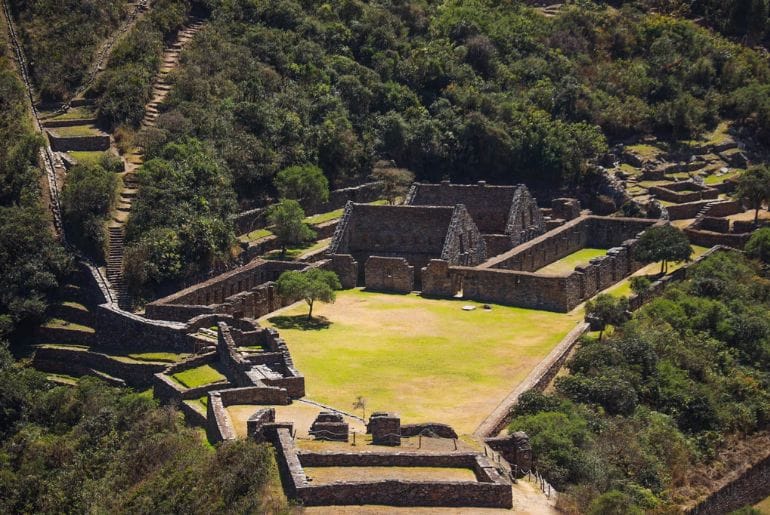
Sector I occupies the highest and northernmost part of Choquequirao, known as the Hanan zone. Here, five striking buildings stand on terraces at different levels, likely serving as residences for priests. Above these structures lies a smaller plaza featuring two storage warehouses (qolqas) and three long residential buildings called kallankas. One of the most remarkable features of this sector is the main water channel, fed by the Ch’unchumayo stream, which distributes water throughout the site. This channel is the lifeline of Choquequirao’s layout, showcasing the Inca mastery of hydraulic engineering by nourishing both the land and the community.
Sector II: Storage and Ceremonial Spaces
Also part of the Hanan zone, Sector II contains storage areas (qolqampatas) designed for preserving food and goods, divided into multiple chambers with walls made of quincha (a traditional wattle and daub technique). This sector also includes 16 small ceremonial platforms (andenes) connected to the main water channel, underscoring the Incas’ deep reverence for water—not only as a practical resource but as a spiritual element woven into their rituals.
Sector III: Hauqaypata (Main Plaza)
Often described as the heart of Choquequirao, Sector III is known as Hauqaypata, the main plaza. Situated between the upper (hanan) and lower (hurin) zones, this plaza rests atop a raised platform surrounded by one- and two-story buildings. Among these is the ceremonial kallanka called Sunturwasi, notable for its low niches that may have been used in rituals. The architectural design here is sophisticated, with structures arranged to provide access both to the main plaza and an inner courtyard. This sector offers a vivid glimpse into the Incas’ ceremonial life and their remarkable architectural skill.
Sector IV: The Triumphal Wall and Open Temple
Located in the Hurin zone, Sector IV is dominated by five large doorways known as the “triumphal wall” or the “wall of offerings to the ancestors.” These imposing entrances likely played a central role in ceremonial events. Beyond the doorways, a spacious court opens up to a second level, offering breathtaking panoramic views of the surrounding landscape. This sector underscores the importance of symbolism and ritual in Inca culture, reflecting their deep respect for ancestry and spiritual traditions.
Sector V: Ushnu (The Ceremonial Hill)
Sector V is home to the Ushnu, a ceremonial hill topped with an oval-shaped platform, surrounded by a low wall and accessible by a staircase. From this elevated vantage point, visitors can enjoy stunning views of the main plaza, the Hanan sector, and the mighty Apurímac River. The Ushnu served as a crucial focal point for religious ceremonies and social gatherings, acting as both a spiritual and community hub within Choquequirao.
Sector VI: Wasi Cancha (Temple and Residence of the Priests)
Just south of the Ushnu lies Wasi Cancha, believed to have functioned as both a temple and residence for the priests. This sector features four platforms with distinctive zigzag-shaped walls, each designed for ceremonial use. A sacred fountain graces the first platform, enhancing the spiritual atmosphere. Below, a courtyard with two single-story rooms offers additional space, with sweeping views of the Apurímac River canyon that add to the area’s sacred feeling.
Sector VII: Agricultural Terraces (Eastern Side)
Sector VII showcases expansive agricultural terraces on Choquequirao’s eastern flank. These broad, well-organized terraces highlight the Incas’ exceptional farming skills. They were vital for sustaining the settlement’s population, illustrating the ingenuity and practicality behind Incan agricultural practices.
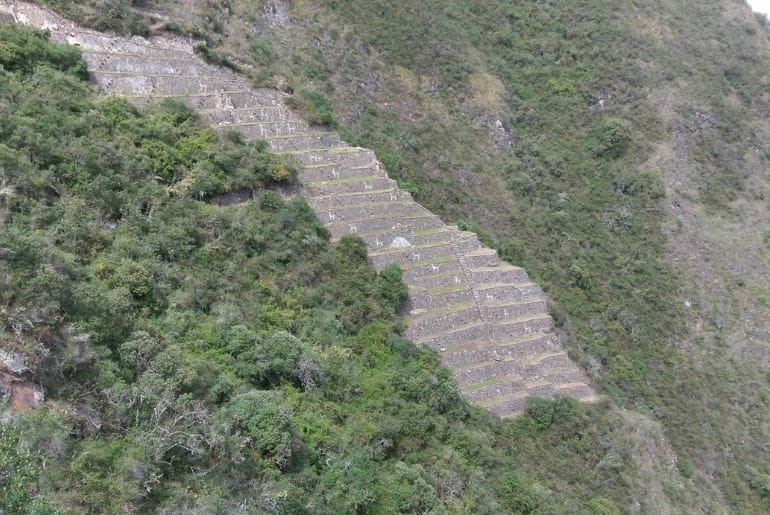
Sector VIII: Agricultural Terraces (Western Side)
On the western side, Sector VIII contains about 80 agricultural terraces divided into individual plots. Water channels descend from the main plaza, irrigating the fields below. This sector is also famous for the discovery of the “Llamas del Sol” statues—figures that provide a fascinating glimpse into the religious and cultural importance of the area.
Sector IX: Pikiwasi (The Popular Housing)
Sector IX features Pikiwasi, or popular housing, where communal and family dwellings were built atop artificial platforms. These homes vary in shape—rectangular, square, and circular—and are connected by narrow stairways and passageways. This sector marks the endpoint of one of the main water channels and offers valuable insight into the everyday lives of Choquequirao’s inhabitants, grounding the grandeur of the site in the reality of its people’s daily routines.
Sector XI: Phaqchayoq (The Largest Agricultural Terraces)
Sector XI hosts the impressive Phaqchayoq terraces, the largest agricultural terraces found at Choquequirao, consisting of 80 wide platforms. Situated on the right bank of the Ch’unchumayo stream, this sector also includes small rooms used for ceremonial and residential purposes. Notably, it features three water fountains and intricate irrigation channels, demonstrating the Inca’s advanced engineering skills and their ability to harness water to maximize agricultural productivity.
Sector XII: Remote Agricultural Terraces
Sector XII lies about a three-hour walk from the Hanan plaza, making it one of the most remote parts of Choquequirao. This sector contains 57 agricultural terraces equipped with permanent irrigation systems, highlighting the Incas’ dedication to sustainable farming even in isolated locations. At the top of this area, ceremonial buildings stretch across the full width of the platform. Archaeological discoveries here include a spring pool and a semicircular chamber filled with ceramic fragments, stone tools, and bone remains—artifacts that offer valuable clues into the spiritual rituals and everyday life of the Inca people who once inhabited this sacred site.
Why Choquequirao is a Must-See Destination for History Buffs and Adventurers
For lovers of history, archaeology, and adventure, Choquequirao is an unmissable destination. Here’s why this hidden Inca site deserves a top spot on your bucket list:
- Inca History and Architecture: Explore the ruins of the Inca Empire’s final stronghold, showcasing well-preserved terraces, temples, and sacred sites that highlight the ingenuity of Inca engineering.
- Remote Location: Its isolation means fewer visitors, offering a more intimate and tranquil experience compared to the bustling crowds at Machu Picchu.
- Andean Culture and Heritage: Experience the legacy of indigenous resistance firsthand and admire the unique Chachapoya construction techniques evident throughout the site.
- Challenging Trek for Adventurers: The journey itself is an adventure, taking you through stunning landscapes and rewarding you with unforgettable panoramic views.
- Peruvian Heritage: Beyond its archaeological value, Choquequirao embodies the pride and resilience of Peruvian culture and the enduring spirit of the Andes.
Visiting Choquequirao is not just a trip—it’s a journey through history, culture, and the unyielding strength of a people who refused to be forgotten.
Related Posts:
How To Pack For An Overnight Trekking Trip
How to Prepare for High-Altitude Trekking in Peru
The Inca Trails: Best Routes for Trekking
Choquequirao: Your Complete Guide to Peru’s Lost Inca City
The Inca Royal Road: What You Didn’t Know About the Qhapaq Ñan
Choquequirao Trek: Reasons to Visit Now