
Travelers planning a trek in Peru often wonder how pricing works behind the scenes. The concept known as the Peru trek cost framework helps explain how trekking companies structure costs while keeping experiences accessible. Many visitors searching for affordable Machu Picchu tours want clear value without sacrificing safety, logistics, or professional guidance. Understanding the economic structure behind these treks reveals why certain routes remain affordable while still maintaining quality services.
Permits and Government Regulations
Permits are one of the first components included in trekking costs. Certain routes require official entry permissions that are limited in number. These permits are often purchased months in advance and are included in many trekking packages.
For example, travelers booking a Machu Picchu day trip from Cusco or a multi-day trek may see permit costs included within the overall package price. These regulated entry systems protect historical sites while controlling daily visitor numbers.
Permit availability also influences how tour operators schedule trips and manage demand throughout the year.
Staffing and Guide Support
Professional trekking staff is another major component of the Peru trek cost framework. Guides, drivers, porters, and cooks all contribute to the safe operation of mountain routes.
Guide training, language skills, and safety knowledge directly affect the quality of the trekking experience. Reputable operators ensure fair wages, proper equipment, and responsible working conditions for all staff members.
On routes such as the Choquequirao trek, the support team may include multiple porters and specialized guides who manage camp equipment and meal preparation. These services improve traveler comfort while also contributing to the overall cost structure.
Transportation and Logistics
Transport between cities, trailheads, and rail stations represents another key factor in trek pricing. Many itineraries require long drives through mountain roads before reaching the starting point of the hike.
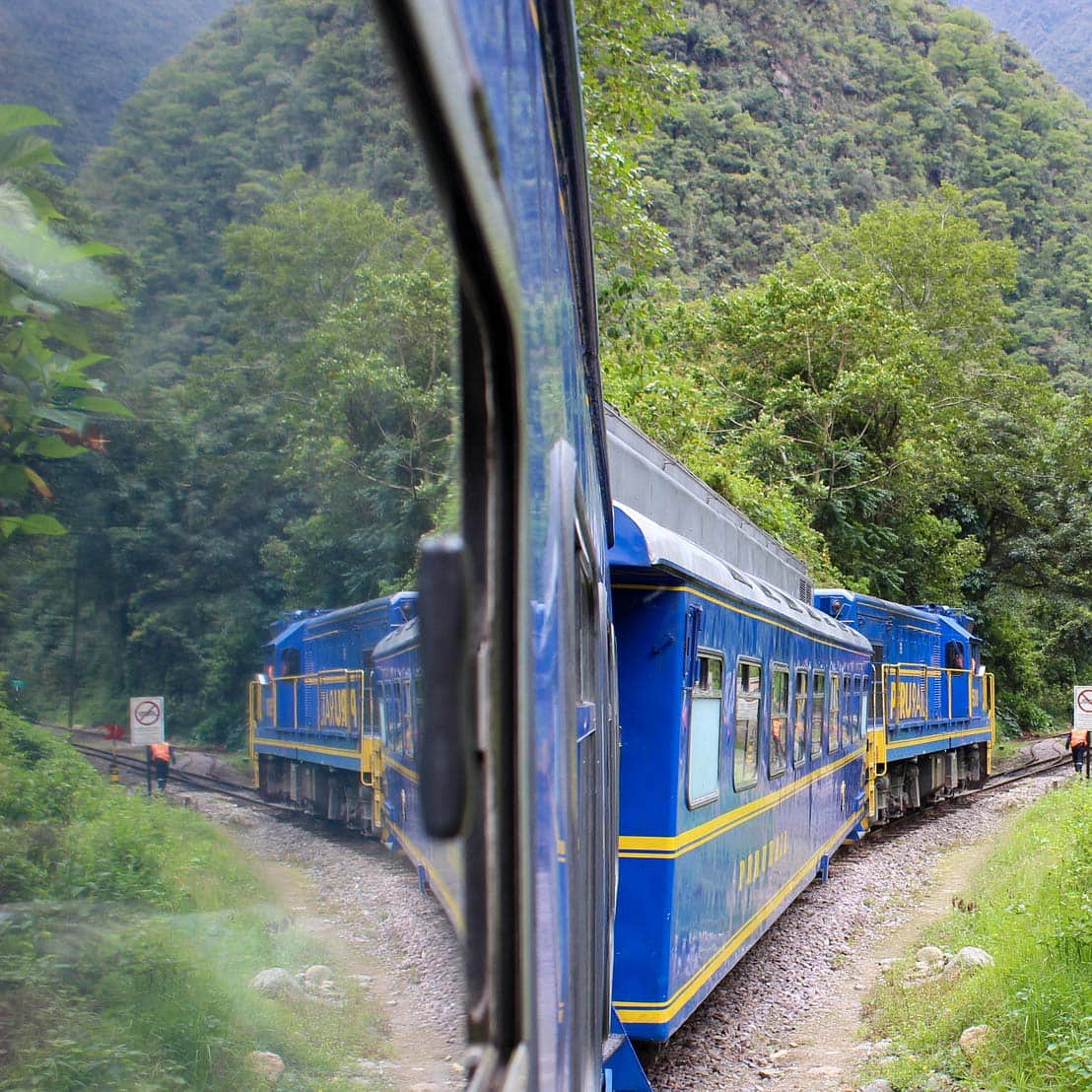
Trips such as a Machu Picchu tour by train involve additional logistical coordination, including rail tickets, transfers, and scheduling with local operators. These elements are typically included in organized packages so travelers do not have to arrange them independently.
Efficient transportation planning helps companies maintain reasonable pricing while ensuring travelers arrive safely at each destination.
Equipment and Operational Costs
Equipment is another expense included in many trekking packages. Camping gear, safety equipment, cooking supplies, and first-aid kits are essential for remote routes.
Multi-day experiences such as the Rainbow Mountain 2-day trek often require tents, portable kitchens, and food supplies carried by support staff. Maintaining this equipment, transporting it between routes, and replacing worn gear all contribute to the operational costs of a trekking company.
Despite these expenses, experienced operators manage resources carefully to keep overall pricing competitive for travelers.
Make Your Peru Trek Budget Work Smarter
The Peru trek cost framework reveals that trekking prices are shaped by multiple factors working together. Permits, staffing, transportation, and equipment all influence the final cost of a trekking itinerary.
Travelers interested in affordable Machu Picchu tours or a Machu Picchu tour by train often find that organized packages provide the most balanced combination of value and logistics.
For those seeking dependable planning, experienced guides, and well-organized itineraries, Rainbow Mountain Expeditions offers professionally structured treks designed to balance affordability with safe and reliable travel throughout the Andes. Contact us today.