
Few destinations on Earth combine geological spectacle, high-altitude adventure, and genuine remoteness the way Rainbow Mountain does. Planning a visit requires more than booking a tour — it requires understanding the altitude, the weather, the terrain, and the options available to you. This complete guide to Rainbow Mountain tours in Peru covers everything you need to know to plan a trip that is safe, well-timed, and genuinely extraordinary.
What Is Rainbow Mountain?
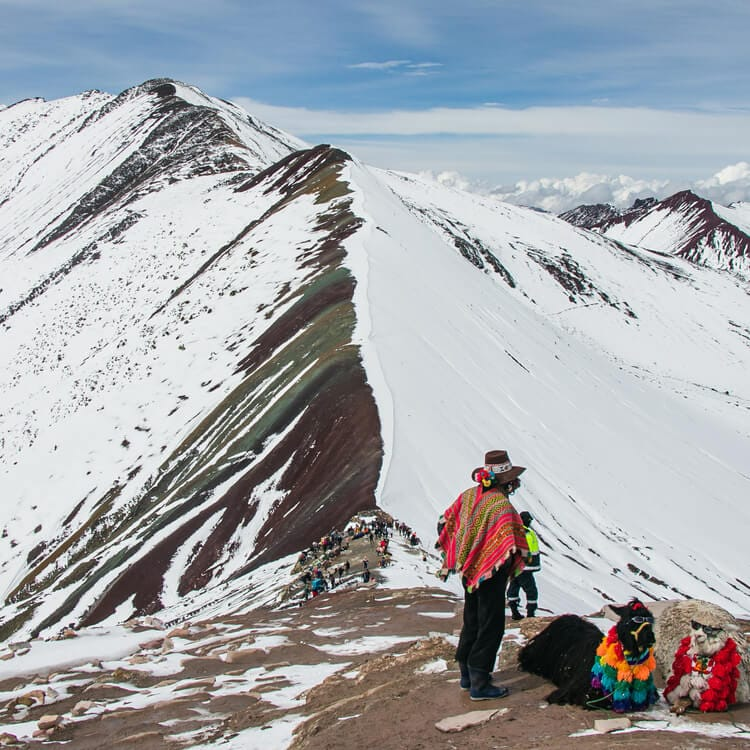
Rainbow Mountain, known locally as Vinicunca or Wilcacunca depending on the route, is a peak in the Peruvian Andes whose slopes are striped with vivid mineral layers — reds, golds, greens, and purples formed by millions of years of geological sediment.
As Smithsonian Magazine reports, the mountain was only recently exposed after glacial ice retreated due to climate change, making it one of the most dramatic natural discoveries in modern Andean tourism. It sits at 5,200 meters above sea level, roughly two to three hours from Cusco by road, and draws visitors from around the world.
What most travelers don’t realize before starting their complete guide to Rainbow Mountain tours in Peru research is that there is more than one Rainbow Mountain. The famous Vinicunca route draws thousands of visitors daily in peak season. Rainbow Mountain Expeditions offers exclusive access to Wilcacunca — a separate Rainbow Mountain that no other tour company can reach, with the same extraordinary geology but in near-total solitude.
Acclimatization: The Non-Negotiable First Step
Before any other planning consideration, acclimatization needs to be addressed. Cusco sits at 3,400 meters above sea level, and Rainbow Mountain’s summit reaches 5,200 meters. As CDC guidance on high altitude illness notes, acute mountain sickness affects nearly half of all travelers during their first 48 hours in Cusco. Attempting a rainbow mountain day trip from Cusco on day one or two of your trip is one of the most common and costly mistakes travelers make.
The minimum recommended acclimatization window is two full days in Cusco before any strenuous high-altitude activity. Three days is better. Use those days for slow exploration of the city — the Plaza de Armas, the Koricancha temple, the San Blas neighborhood — at a genuinely unhurried pace. Eat light, carbohydrate-rich meals, avoid alcohol entirely for the first 48 hours, and drink water consistently throughout each day.
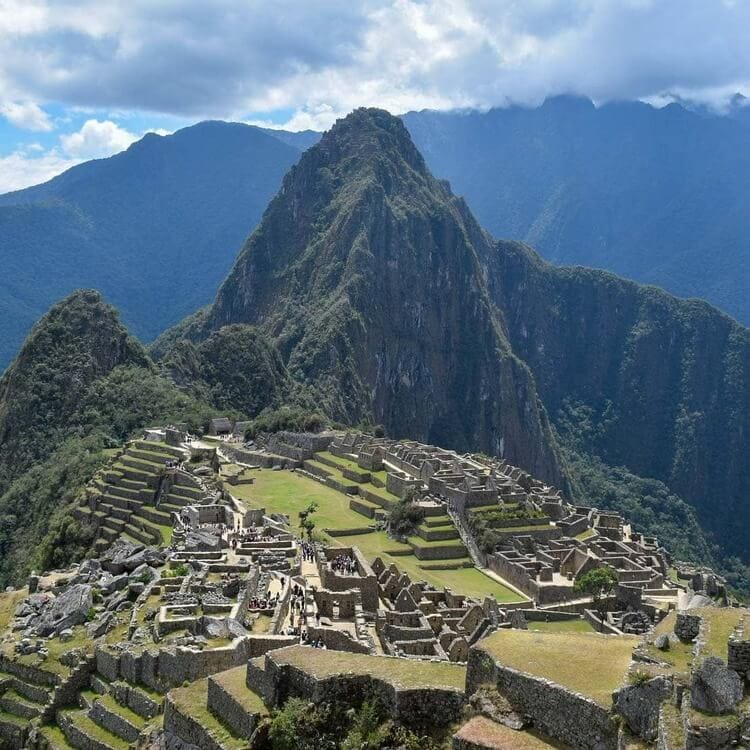
On your third day, a sacred valley day trip from Cusco is an ideal pre-Rainbow Mountain activity. The Sacred Valley is one of the most remarkable highland corridors in South America and sits at a lower elevation than Cusco, which gives the body a relative break while still keeping it engaged with high-altitude conditions. Many experienced operators sequence itineraries with a Sacred Valley day between Cusco arrival and Rainbow Mountain for exactly this reason.
Choosing the Right Tour Option
Every traveler researching a complete guide to Rainbow Mountain tours in Peru eventually hits the same question: which tour option is right for them? The answer depends on your fitness level, travel style, and how much of the mountain you want to experience on foot. Not all experiences are equal, and the right choice depends on your fitness level, travel style, and how much of the mountain you want to experience on foot.
Standard Hiking Tour — The most common option. A rainbow mountain tour from Cusco departs before dawn, typically between 3 am and 4 am, and involves a two to three-hour hike from the trailhead at 4,600 meters to the summit at 5,200 meters. Most fit, acclimatized travelers complete this comfortably.
Private Tour — A rainbow mountain private tour runs the same route but with a guide dedicated entirely to your group. The pace is yours, the stops are yours, and the experience is significantly more personal. For travelers managing altitude sensitivity or wanting more flexibility, this is the recommended option.
ATV Tour — A rainbow mountain ATV tour covers much of the approach route by vehicle before a shorter hike to the summit. It reduces the total physical demand and is popular with older travelers or those with joint concerns.
Horseback Riding — Available at the trailhead, horseback riding to Rainbow Mountain is an option for part of the ascent for those who need it.
Wilcacunca Exclusive Route — Rainbow Mountain Expeditions’ exclusive access to Wilcacunca is the most distinctive option available. The same vivid mineral geology as Vinicunca, in complete solitude, on a route no other operator can offer.
What to Pack
A well-packed bag makes a significant difference at 5,200 meters. Essential items for any Rainbow Mountain Peru tour from Cusco include:
- Layers— a moisture-wicking base, a fleece or down mid-layer, and a waterproof outer shell
- Sturdy, broken-in hiking bootswith good ankle support
- Sunscreen SPF 50+, UV sunglasses, and a wide-brimmed hat — UV radiation increases significantly at this elevation
- Two liters of water minimum— dehydration compounds every altitude symptom
- Light, easily digestible snacks— energy bars, dried fruit, nuts, and chocolate
- Coca leaves or coca candy— widely available in Cusco and helpful for mild altitude symptoms
- Trekking poles— available to rent in Cusco and genuinely useful on the descent
Timing Your Visit
The best time to visit Rainbow Mountain is during the dry season, which runs from May to October. This is when skies are clearest, the mountain’s mineral stripes are most vivid, and trail conditions are most stable. May and June offer excellent conditions before peak season crowds build. September and October are quieter with equally reliable weather.
The wet season from November through April brings afternoon rain, cloud cover, and occasional snow at the summit. Regardless of season, an early morning departure is essential — the mountain is best experienced in the clear light before midday cloud cover builds over the high peaks.
Safety Considerations
Rainbow Mountain is safe for well-prepared travelers who use reputable operators. The key risks are altitude sickness, sudden weather changes, and choosing an unlicensed operator with no emergency protocol. A good best rainbow mountain tour company will carry supplemental oxygen, have altitude-trained guides, and operate with proper transport and emergency procedures.
Combining Rainbow Mountain With Other Experiences
The Cusco region offers some of the most varied adventure travel in the world. A well-structured itinerary might combine Rainbow Mountain with:
- A sacred valley tour from Cusco— Pisac, Ollantaytambo, and the Maras salt flats
- A Machu Picchu day trip from Cusco— as com notes on Machu Picchu, it is one of the most significant pre-Columbian sites in the world and best appreciated after proper acclimatization in Cusco
- A rainbow mountain and red valley tour— combining both in a single extended day
- The Choquequirao trekfor travelers with more time and a higher appetite for physical challenge
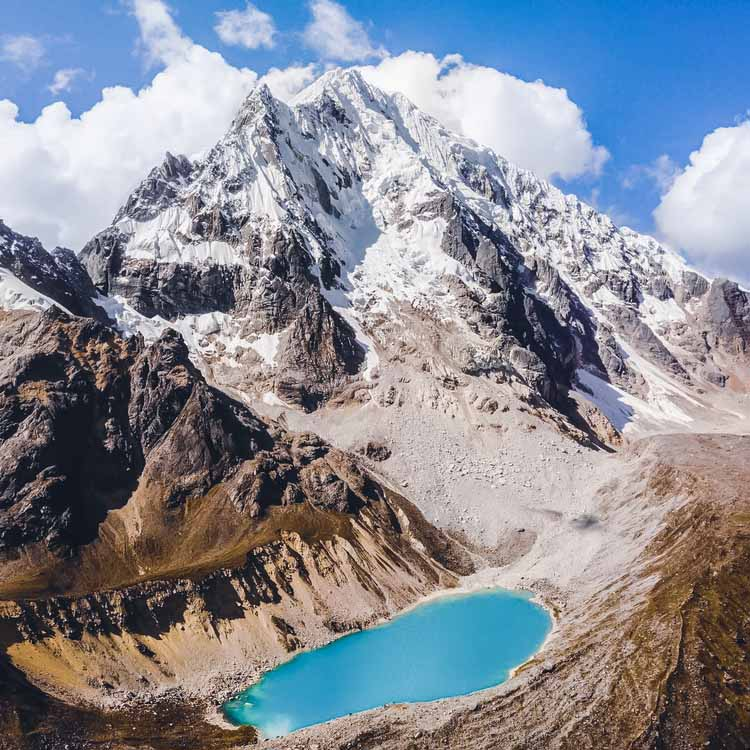
- The seven lakes touror the Humantay Lake tour for lower-altitude alternatives
Plan Your Trip With Rainbow Mountain Expeditions
This complete guide to Rainbow Mountain tours in Peru has covered the essentials — but every traveler’s itinerary is different. At Rainbow Mountain Expeditions, we specialize in rainbow mountain tours in Peru that go beyond the standard tourist trail. Whether you’re booking a first-time rainbow mountain Cusco tour, our exclusive Wilcacunca experience, or a multi-day Andean adventure, we handle every detail from acclimatization scheduling to packing advice. Reach out to Rainbow Mountain Expeditions and let’s build your perfect Peruvian highland itinerary.