
Rainbow Mountain can look different from one hour to the next. To photograph Rainbow Mountain at its best, time your visit around sunlight, weather, and trail position. The mineral bands are naturally colorful, but the way light falls across the slopes affects contrast, saturation, shadows, and the overall appearance of each photograph.
Morning Light: Strong Color and Fewer People
Early morning is often a practical choice for photographers. Tours commonly reach the area after an early departure from Cusco, and arriving sooner can mean fewer people around the main viewpoints. Low morning light can create longer shadows across the ridges, giving the colored bands more definition.
As the sun rises, direct light gradually brightens the slopes. Reds, greens, yellows, and earthy tones can appear more pronounced when the sky is clear. However, very early conditions may include cold temperatures, mist, or clouds, so be prepared for changing visibility.
Afternoon Light: Softer Conditions
Later in the day, sunlight can become less harsh, especially when clouds filter the direct rays. This can create softer contrast and gentler shadows, which may work well for portraits and wider trail photographs. The trade-off is that afternoon visitors may encounter more people, while weather can become less predictable.
If photography is your priority, consider whether you prefer stronger color definition or softer illumination. Morning usually provides an earlier start and potentially clearer conditions, while later hours can offer a different visual mood.
Dry Season: Clearer Skies
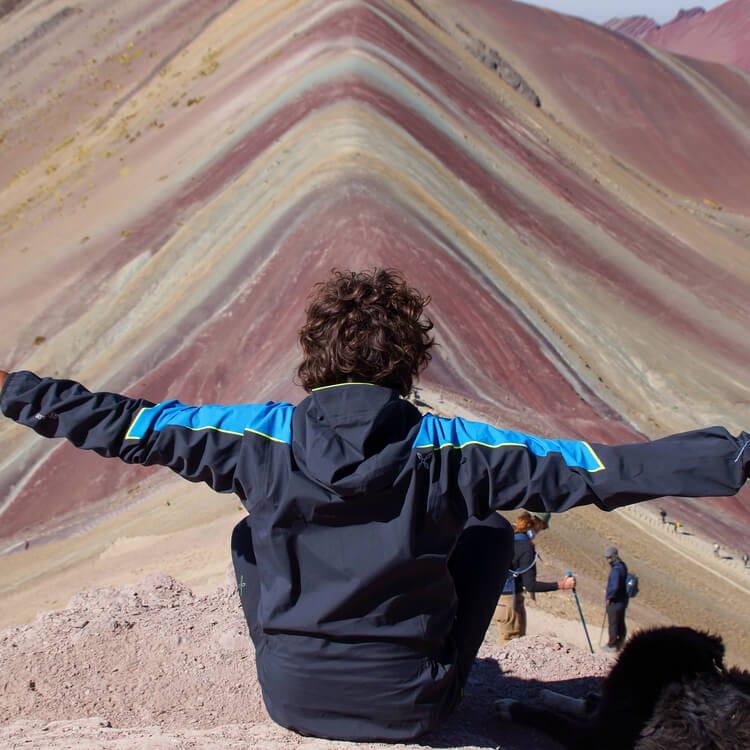
The dry season, generally from May through September, is often associated with clearer skies around Cusco and the surrounding highlands. For photographers, clearer weather can provide stronger visibility and more consistent sunlight. June through August can also bring crisp conditions, although mornings may be especially cold.
Clear skies can make the mineral colors stand out against the blue above the mountain. Strong midday sunlight, however, can create harder shadows. A lens hood, sunglasses, spare batteries, and protection for your camera are useful additions at high altitude.
Wet Season: Clouds and Changing Color
From roughly November through March, rainfall and cloud cover become more common. These wet seasons can change the appearance of the mountain quickly. Clouds may soften the colors, reduce contrast, or partially hide the upper slopes. Wet surfaces can also deepen certain earthy tones.
Rain does not automatically mean poor photographs. Broken clouds can produce brief periods of filtered light, while changing weather may create contrast between illuminated and shaded sections. The main consideration is flexibility. Check the forecast, protect your equipment, and allow extra time if the trail becomes muddy.
Best Vantage Points Along the Trail
The main viewpoint provides a broad view of the colored mountain and is the obvious place for a wide composition. Rather than taking every photograph from one position, continue along safe sections of the trail and look for higher or slightly offset viewpoints. These can separate your subject from groups of visitors and reveal more of the surrounding ridges.
When choosing a position, avoid standing in restricted areas or blocking narrow sections of the trail. A few steps to the side can often produce a cleaner frame without requiring risky movement.
Camera Settings and Composition
Rainbow Mountain’s strong colors can tempt photographers to increase saturation heavily. Instead, start with natural exposure and adjust carefully. Shooting in RAW gives you greater control over highlights, shadows, and color during editing.
For bright daylight, a moderate shutter speed can help preserve sharpness when photographing handheld. Keep ISO as low as practical, particularly under direct sunlight. A polarizing filter may help control glare, but its effect depends on the angle of the sun.
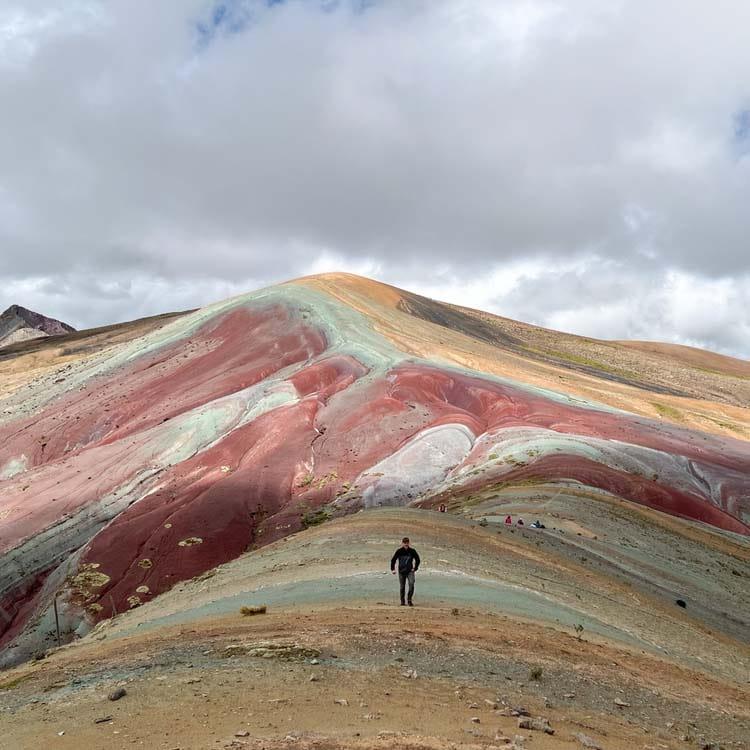
Include people occasionally to show scale, but leave room around the mountain when you want a wider composition. Foreground rocks, trail lines, and nearby ridges can add depth without distracting from the colored slopes.
Capture Rainbow Mountain at the Right Time
The best photographs come from matching your expectations with the conditions you are likely to encounter. Watch the forecast, protect your camera, arrive prepared for cold and altitude, and give yourself time to respond to changing light. Whether you want to photograph Rainbow Mountain at its best in crisp morning sun or softer afternoon conditions, thoughtful timing can improve your results. For help arranging a Rainbow Mountain Peru tour, a private tour, or a day trip from Cusco, reach out to Rainbow Mountain Expeditions and plan your photography day with practical timing in mind. Contact us today.