
Trekking to Choquequirao is an unforgettable plunge into the heart of the Peruvian Andes, where breathtaking landscapes and ancient Inca history come together in a way few places on Earth can match. But here’s the thing: in the Andes, timing is everything. Knowing the best season to embark on this epic journey can mean the difference between a smooth, awe-inspiring adventure and a muddy battle against the elements.
Why Timing is Key for the Choquequirao Trek
When you’re heading to one of the most remote and spectacular Inca sites, nature is the boss. Mountain weather can change in a heartbeat, and the rugged trail to Choquequirao doesn’t forgive poor planning. Plus, because this hidden gem hasn’t been swallowed by mass tourism (lucky for us!), picking the right time to visit is essential to make your experience as magical — and manageable — as possible.
Trekking During the Dry Season: April to October
If you want to stack the odds in your favor, the dry season — from April to October — is hands down the best time to trek to Choquequirao. During these months, Mother Nature is on your side: clearer skies, warmer days, and firm trails make every step more rewarding.
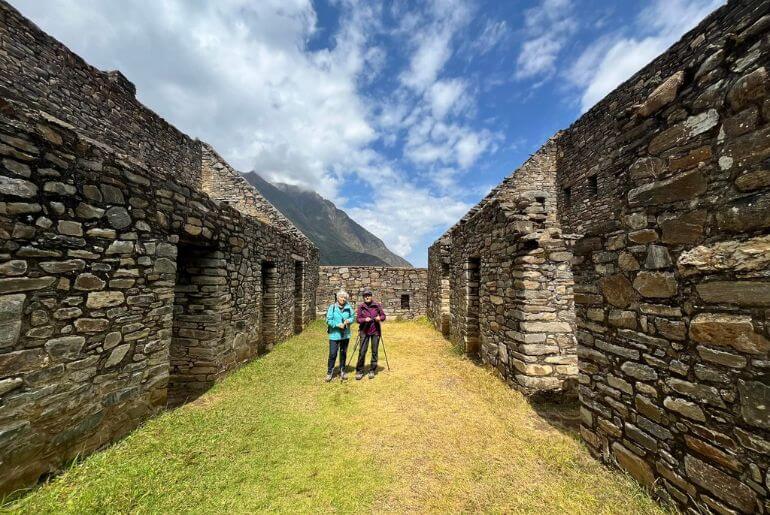
Here’s why the dry season is a dream for trekkers:
- Perfect Weather for Hiking: Dry, sunny days with hardly any rain are exactly what you want when you’re tackling steep climbs and rugged mountain paths. Say goodbye to slipping and sliding in the mud — during this season, the ground stays firm, making your hike safer and more enjoyable.
- Epic Views Guaranteed: The clear skies of the dry season mean you’ll be spoiled with jaw-dropping views. Think endless panoramas of the Apurímac River canyon, towering Andes peaks, and, of course, the stunning Choquequirao ruins bathed in golden sunlight — ideal for those once-in-a-lifetime photos.
- Less Rain, More Adventure: With fewer showers to worry about, the trails are not only easier but also much more fun to navigate. And believe me, when you’re pushing through steep ascents and descents, every bit of dry ground helps!
- Still Peaceful, Still Wild: Even though the dry season is more popular, Choquequirao doesn’t pull Machu Picchu-level crowds. You’ll still feel like a true explorer, wandering through the majestic ruins in near solitude, as if the mountains are whispering their secrets just to you.
- Wildlife Encounters: Clearer weather brings better chances to spot Andean condors soaring overhead, colorful tropical birds flitting through the trees, and perhaps even some curious mammals along the way.
The Wet Season: November to March
The wet season, running from November to March, isn’t exactly the VIP time for the Choquequirao Trek — but if you’re prepared for some serious challenges (and a little mud between your boots), it’s still possible to take on this adventure.
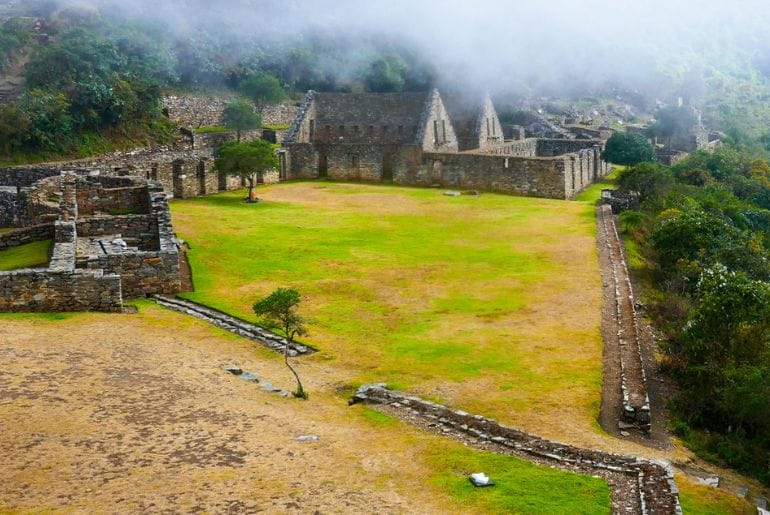
Here’s a breakdown of what you’re signing up for:
- Heavy Rain and Muddy Trails: Expect frequent, heavy showers that turn the trails into slippery, unpredictable paths. River crossings can become more intense, and mudslides aren’t out of the question. It’s not impossible, but it does require extra caution, solid gear, and a good sense of humor when the rain inevitably tries to steal the show.
- Tougher Trekking Conditions: Especially for those new to mountain hiking, the wet season ups the difficulty level. Slippery rocks, swollen streams, and the constant dampness can make the journey tougher — but also more rewarding if you love an extra dose of adventure.
The Choquequirao Trek: What You’ll Discover
Normally completed in four intense but unforgettable days, the Choquequirao Trek covers around 32 kilometers (20 miles) round-trip. Starting from Killa Cruz or Cachora, you’ll journey through deep valleys, lush cloud forests, and ancient Inca trails, ending at one of Peru’s best-kept secrets.
1. Inca Architecture and Terraces
When you arrive at Choquequirao, get ready to be absolutely amazed. The Inca architecture here is simply breathtaking. The site is built on a steep hillside of terraces, overlooking views that look straight out of a postcard of the stunning Apurímac River canyon.
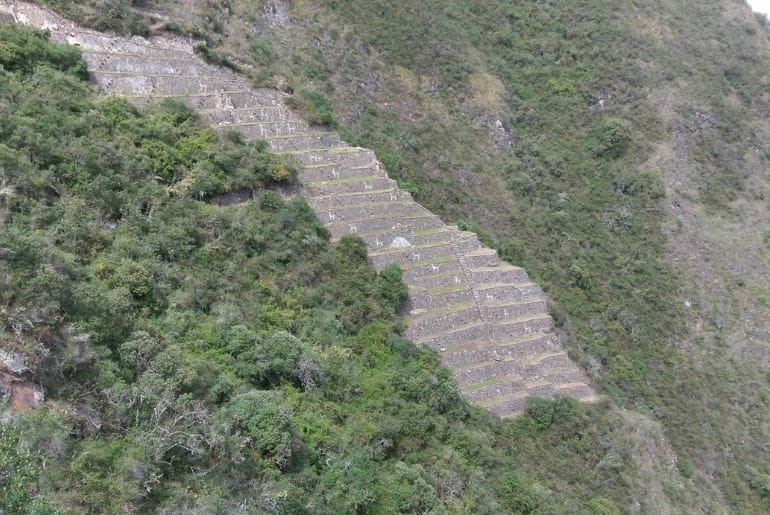
- Agricultural Terraces: These perfectly aligned stone platforms show how the Incas mastered the mountains to grow their food. Each terrace stands as a testament to their ingenuity in surviving and thriving in such a challenging environment.
- Religious Structures: You’ll also see the remains of temples and ceremonial spaces. These sacred places let you imagine the rituals the Incas performed to honor their gods.
- Squares and Plaza: The urban design of Choquequirao wasn’t random. The large central plaza and surrounding buildings reveal that this site was not only agricultural or defensive but also an important administrative and religious center.
2. Stunning Views and Natural Beauty
Now, a friendly tip: don’t forget to look up from the trails. The scenery at Choquequirao will leave you breathless (and it’s not just the altitude).
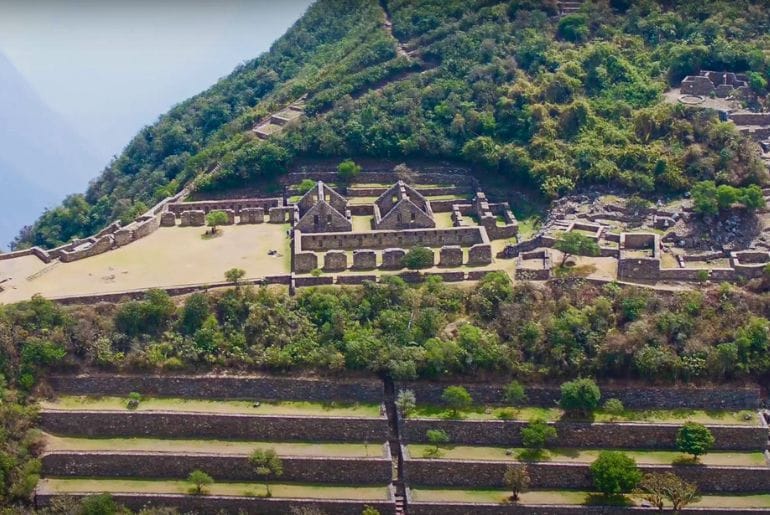
- Inca Trail Views: As you get closer to the ruins, you’ll see snow-capped mountains belonging to the majestic Vilcabamba range. The cloud forest, the mist dancing among the peaks — it all creates an almost mystical atmosphere.
- Wildlife and Flora: If you’re a nature lover, get ready. From Andean condors soaring majestically to colorful tropical birds hiding in the foliage, the biodiversity around Choquequirao is a show all on its own.
3. The Main Plaza and the Central Area
The main plaza at Choquequirao is the heart of the site, and trust me, you’ll want to stop and take it all in.
- Complex Architecture: Surrounded by stone buildings meticulously crafted, here you’ll see the legendary precision of Inca builders at its finest.
- The “Llama” Pattern: Keep an eye out for one of the most fascinating details: the Llama Terraces. From certain angles, the terraces form shapes that look like llamas — those beloved animals vital to Inca culture. It’s a visual nod to their love of the land and its symbolism.
4. Inca Ritual Sites and Ceremonial Spaces
Choquequirao wasn’t just a place to live; it was sacred ground, a gateway between the physical and spiritual worlds.
- Inti Watana (Solar Clock): Like Machu Picchu, you’ll find an Inti Watana here — a “solar clock” the Incas used to track the seasons. Imagine the wise ones watching the sun from this stone, planning the year’s harvests and ceremonies.
- Sacred Spaces: Plus, the altars, ritual platforms, and ceremonial niches suggest Choquequirao was likely a pilgrimage site for nobles and priests. Every corner seems to whisper secrets of ancient ceremonies.
5. Ongoing Excavations and Preservation
This site remains an active archaeological project. As you walk among the ruins, you might spot archaeologists uncovering new passageways, hidden plazas, or walls lost to time. Every stone you see could be just the beginning of a much bigger story yet to be told.
Visiting Choquequirao isn’t just a trip to the past. It’s literally witnessing the living legacy that continues to emerge from the mountains.
When Is the Best Time for You?
Deciding the perfect time for your Choquequirao adventure really depends on what you value most. Are you chasing bright blue skies, dry trails, and jaw-dropping views? Or maybe you prefer a quieter trek, with fewer fellow travelers, where the lush, green landscapes surround you—even if that means facing some rain?
If you’re an experienced trekker comfortable with slippery paths and unpredictable weather, the wet season (November to March) can offer a more solitary, peaceful experience. But for most adventurers, the dry season—from April to October—is the sweet spot, balancing great weather, safer trails, and an all-around more enjoyable hike.
Practical Tips
The Choquequirao Trek is a true hidden gem—one of Peru’s most rewarding hikes for those willing to venture off the beaten path. As you make your way through rugged landscapes, dense forests, and ancient ruins, being well-prepared can make all the difference between a tough slog and an unforgettable journey.
Get Physically Prepared for the Challenge
- Let’s be honest: Choquequirao isn’t a walk in the park. This trek demands stamina, strength, and mental grit. Before you hit the trail, make sure your body is ready for the ups and downs—literally.
- Cardio Training: Boost your endurance with regular cardio—hiking, running, cycling—anything that gets your heart pumping. High-altitude trekking means your lungs will be working overtime, so train accordingly.
- Strength Training: Build up your legs with squats, lunges, and step-ups. Your knees and muscles will thank you during those steep climbs and descents.
- Altitude Acclimatization: Don’t rush into the trek right after landing. Spend a couple of days in Cusco or the Sacred Valley to let your body adjust to the thin mountain air. At 3,050 meters (10,000 feet), Choquequirao sits pretty high, and acclimatizing reduces the risk of altitude sickness.
Pack Smart and Light
Packing for the Choquequirao Trek is a bit of an art—you want to bring everything you need without overloading yourself. Remember, you’ll be carrying your pack through tough terrain for four days, so keep it light but complete. Here’s your essentials checklist:
- Hiking Boots: Opt for durable, waterproof boots that provide strong ankle support.
- Backpack: A lightweight pack of around 30–40 liters is ideal. Don’t bring unnecessary stuff—you’ll have enough to carry already.
- Clothing: Layer up! Think moisture-wicking shirts, a warm fleece, a lightweight rain jacket, and a sun hat to tackle all weather conditions.
- Sleeping Bag: Bring a compact, warm sleeping bag because nights at altitude get chilly.
- Water: Carry a water bottle or hydration system. You can refill from streams along the way but always purify before drinking.
- Snacks: Pack energy bars, nuts, and dried fruits for quick energy boosts on the trail.
- Sun Protection: Sunscreen, sunglasses, and a hat are non-negotiable at high altitudes where the sun hits harder.
Book a Licensed Guide and Operator
Technically, you can trek Choquequirao solo—but hiring a licensed guide and booking with a trusted tour operator is the smart move. Here’s why:
- Local Expertise: Guides share insider knowledge about the history, wildlife, and cultural significance of Choquequirao. They’ll highlight subtle details that might go unnoticed otherwise.
- Safety Comes First: The trails are challenging and the weather can change unexpectedly. A guide ensures you stay safe and can handle any altitude sickness or emergencies.
- Logistics Made Easy: Good operators take care of permits, transport, meals, and gear, so you can focus on the adventure without stress.
Stay Hydrated and Take Care of Your Health
- Hydration is your best friend at high altitudes. Dehydration can quickly bring on altitude sickness and sap your energy. Tips:
- Drink water often and always purify it if coming from natural sources.
- Eat small, frequent meals with high-energy snacks like nuts, granola, and trail mix to keep your strength up.
Final Thoughts
Choosing the best time to trek Choquequirao depends on what you want out of your adventure and how prepared you feel. For most, the dry season from April to October offers the perfect mix of weather, safety, and incredible views. But if solitude and lush landscapes call to you—even with some rain—the wet season can be a unique and rewarding experience.
Plan ahead, train well, pack smart, and pick your dates wisely. With the right preparation, your Choquequirao trek will be a journey of a lifetime—full of history, beauty, and unforgettable moments. If you would like more information about the Choquequirao Trek, you can contact us at Rainbow Mountain Expeditions.
Related Posts
Machu Picchu vs Choquequirao: The Ultimate Guide for Inca Trekking Adventures
Best Time to Visit Cusco: When to go and what to pack?
The Inca Trails: Best Routes for Trekking
The Origin of Choquequirao: A Sacred Sanctuary for the Inca Elite
Trek to Choquequirao and the Inca Trail: Discover Which Is Better
How to Get to Machu Picchu: A Step-by-Step Guide for Travelers