
If long hikes aren’t your thing but you still want to make the most of your time in Cusco, don’t worry! There are plenty of one-day excursions and easy tours from Cusco that let you see incredible places without sweating or doing much physical effort. From stunning landscapes to impressive archaeological sites, everything is within your reach — you just have to hop in the car and enjoy the ride. So, if you’re looking for a more relaxed way to explore the region and feel its history and culture, this is the perfect plan.
Sacsayhuamán, Qenqo, Puka Pukara, and Tambomachay
Just minutes away from Cusco, this circuit combines archaeology, history, and panoramic views. It can be done by tourist transport with brief stops. Sacsayhuamán is the giant of the archaeological sites near Cusco, famous for its enormous stone blocks perfectly fitted together, which remains a mystery for many regarding how the Incas moved and fit them together without mortar. It’s an impressive place that overlooks the city of Cusco from above, with every corner steeped in history, particularly related to Inca festivals and battles.
Just a short distance away is Qenqo, a smaller site but rich in detail, such as its underground channels and carved rocks, believed to have been used for rituals. Further down, Puka Pukara is a site that might go unnoticed by many, but its role as a fortress is key to understanding Inca military strategy. The red rock walls give it a unique touch, standing out amid its natural surroundings. And last but not least, Tambomachay, known as the “ritual bath,” is famous for its flowing water fountains, a clear display of Inca hydraulic knowledge.
Each of these places is like a puzzle piece that, when you visit them, tells the story of how Cusco became the capital of the Inca Empire. Classic among the day trips from Cusco, but always essential.
Sacred Valley (Alternative Route)
The Sacred Valley is a place full of history and stunning landscapes that, even though it’s one of the most well-known routes, still feels like a wonder to explore. If you start from Ollantaytambo and decide to take the trail to the ancient storehouses (or the Inca deposit area), you’ll walk along ancient paths, with views of agricultural terraces dating back to Inca times. It’s a short walk, about 40 minutes to an hour, but every step feels like walking through history.
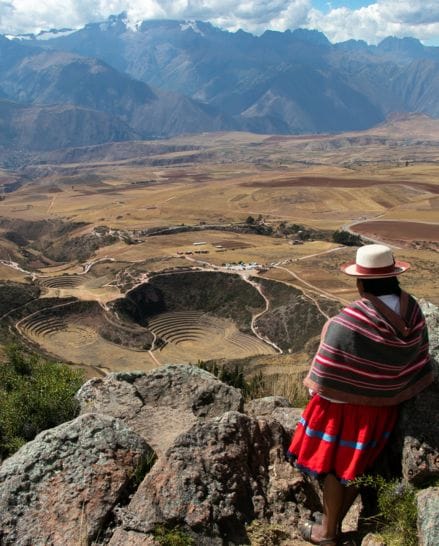 Agricultural terraces of Moray
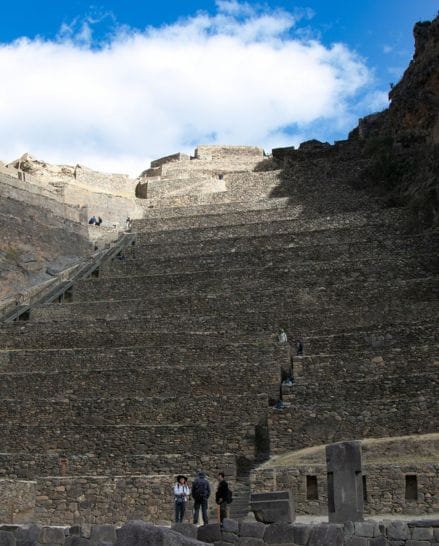 Ollantaytambo Inca Ruins
From there, you can continue on to nearby sites like Moray, famous for its viewpoint and the circular terraces that look like an Inca agricultural laboratory.
The Salt Mines (Salineras) are another impressive spot; their salt ponds, built in ancient times, look like a giant mural from the viewpoint above. But if you’re looking for something calmer, Chinchero is a perfect stop with its traditional weavings and colonial church.
If you’re into lakes, Huaypo and Piuray are ideal for a relaxed walk—clear water, peaceful surroundings, and breathtaking views. And don’t forget about Perolniyoc; the waterfall is tucked inside a dramatically deep canyon, and if you’re up for a short hike, it feels like stumbling upon a secret corner of the Sacred Valley.
You can fit all of this into a single day or take your time—either way, it’s not a hard trek, but I promise you’ll experience pure beauty and a few uphill climbs that prove the Sacred Valley is more than just ruins.
Tipón Archaeological Park
Tipón is one of those places where Inca engineering truly shines. Located about 40 minutes from Cusco, it’s famous for its stunning water features and perfectly aligned agricultural terraces. The most impressive part is how the Incas handled water: Tipón’s hydraulic system is an engineering marvel, with canals and fountains that still work to this day—proof of their mastery.
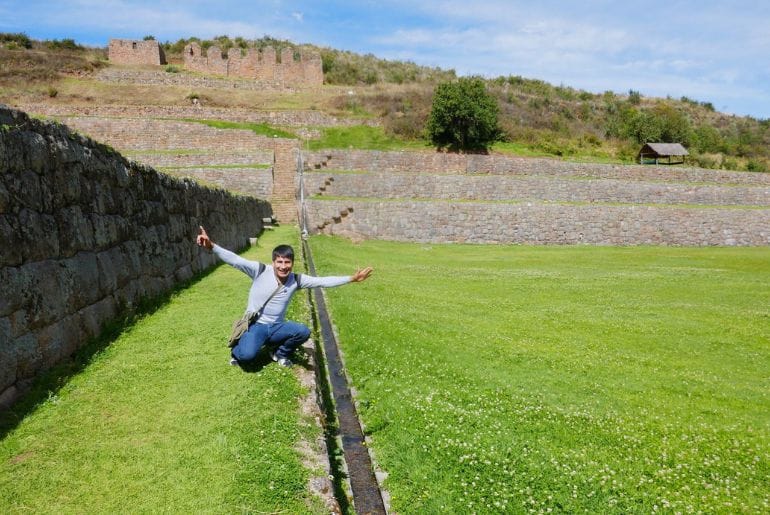
The terraces climb up the mountainside and weren’t just used for farming. They were part of a complex irrigation system that made it possible to cultivate in difficult conditions. This place isn’t just beautiful—it’s a lesson in ancient innovation that’s still functional and impressive centuries later.
Pikillaqta
Pikillaqta is an archaeological site located about 30 minutes from Cusco, and it’s completely different from most nearby spots. It was a pre-Inca urban center built by the Wari culture, which thrived long before the Incas came into the picture.
What makes Pikillaqta so impressive are its massive walls and structures—once part of a well-organized city. The site includes over 1,000 buildings, wide streets, and even plazas, showing how advanced this civilization was. While it may not offer the same panoramic views as other sites, it’s a great addition to your list of historical day tours from Cusco.
Muñapata Turquoise Waters
The Turquoise Waters of Muñapata are a natural wonder located in the district of Urcos, about 56 km south of Cusco. This unique tourist attraction consists of turquoise-colored pools nestled into the ground, forming small natural swimming pools within a canyon in the village of Muñapata.
The hike to the pools is moderate, taking around 40 minutes. It’s important to note that these waters are not suitable for swimming, as they are intended for human consumption, so they must be carefully preserved.
The Temple of Wiracocha Raqchi
The Temple of the god Wiracocha is one of the largest and most unique archaeological complexes in southern Peru. Raqchi is one of those places that truly surprises you with its scale and historical significance. Located about two hours from Cusco, this ancient Inca city was once an important religious and ceremonial hub.
The highlight is the Temple of Wiracocha—an enormous adobe structure that still stands tall. Dedicated to Wiracocha, the creator god, the temple features walls that soar up to 12 meters in height. Besides being a religious site, Raqchi also had a complex network of storage buildings and agricultural production areas.
Condor Viewpoint – Chonta
The Condor Viewpoint in Chonta is an amazing spot for nature lovers and for those looking for a more peaceful hiking experience. This incredible canyon and viewpoint is about 3 hours from Cusco. The trail to the viewpoint is an easy walk of about an hour, crossing green landscapes and spectacular views of the valley. The best part? From here, you can see Andean condors in their natural habitat, flying low over the canyon.
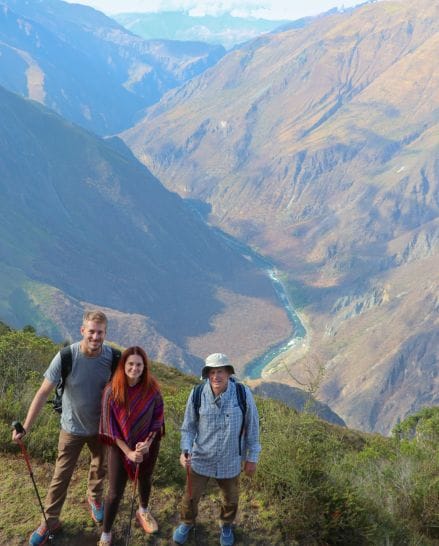 Chonta Viewpoint
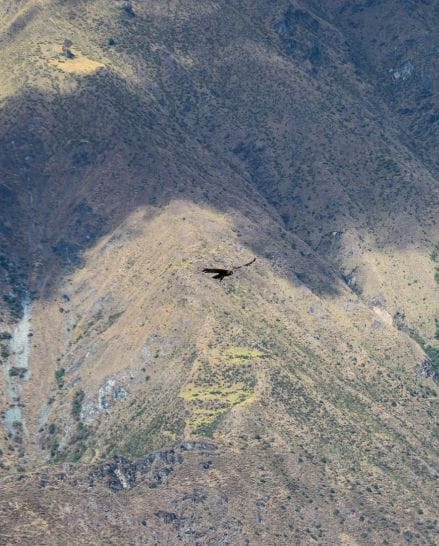 Condor Viewpoint of Chonta
Waqrapukara via Santa Lucía
From Cusco, the car ride to Santa Lucía takes about 3.5 hours. You’ll arrive at the Huayqui community, and from there it’s just a peaceful 1.5-hour walk with gentle inclines and a landscape that gradually opens up as you go. This route is perfect if you want to see Waqrapukara without ending up completely exhausted.
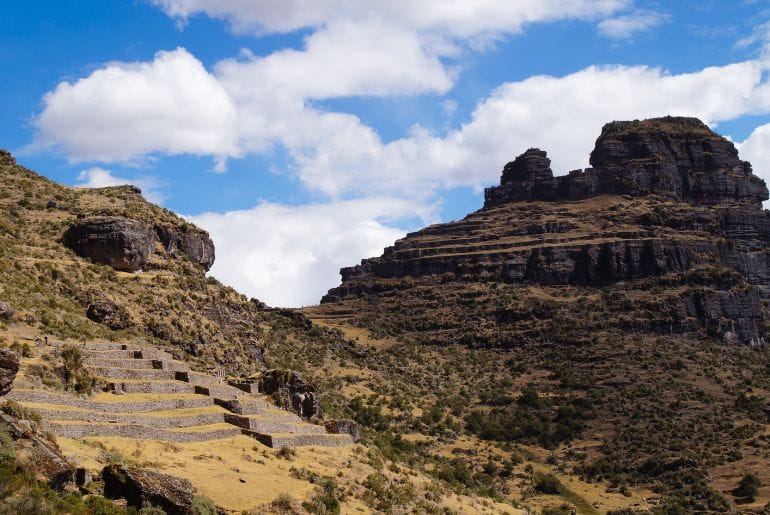
Now, about why the hike can be short — it all depends on the route you choose. There are five ways to get there, but here’s a heads-up: the shortest and most direct route is via Santa Lucía.
To give you the full picture, here are the five main routes:
- Santa Lucía (Huayqui) – The shortest one, like I said. 1.5 hours of hiking. Ideal if you don’t have a full day.
- Punta Carretera (Campi Urinsaya) – A 2 to 3-hour hike. A good option if you want a bit more of a challenge.
- Wayke – A long trail, about 4 hours of hiking. Steeper climbs but views that make it worth every step.
- Acomayo (Sangarará) – For those who want real adventure. A 6-hour hike crossing gorges and mountains.
Red Valley (via the Osefina community)
Red mountains and valleys without climbing up to Vinicunca? Yep, it’s possible. Through the Osefina community, you can reach the stunning Red Valley without much effort. It’s a place few people visit because most go straight to Rainbow Mountain, but let me be clear: this valley deserves a spot on your list.
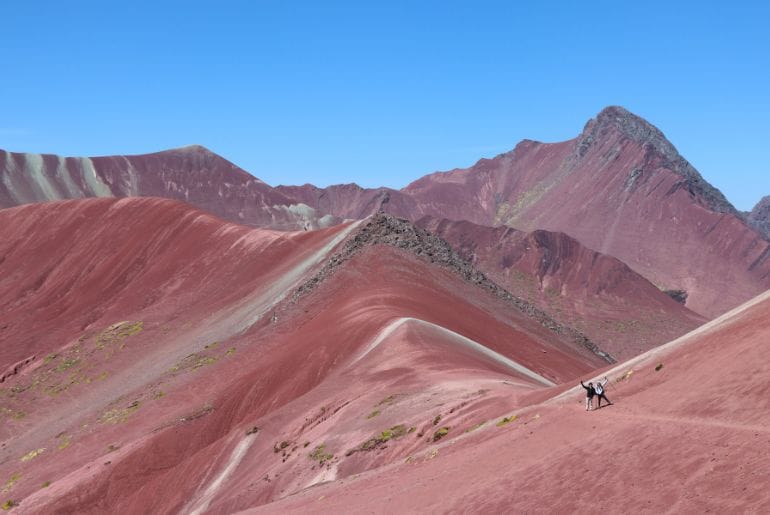
From Cusco, the drive takes about 3 hours to the starting point, and from there you’ll have a gentle 30 to 40-minute hike. But heads up — you’re over 5,000 meters (16,400 ft) above sea level, so don’t underestimate it. The walk may be short, but the lack of oxygen is very real.
Palccoyo Rainbow Mountain
The hike to Palccoyo is short for a very simple reason: car access reaches almost all the way to the scenic viewpoint. The road that’s been built isn’t by chance — it’s because this mountain, unlike Vinicunca (the more famous one), is located in an area where the road could get quite close without harming the environment.
From Cusco, the car ride takes about 3.5 hours, passing through Checacupe. Once there, you’re over 4,800 meters (15,748 ft) above sea level, so although the hike is short (less than an hour and very gentle), the altitude is no joke. That’s the catch: the challenge isn’t the distance — it’s the height.
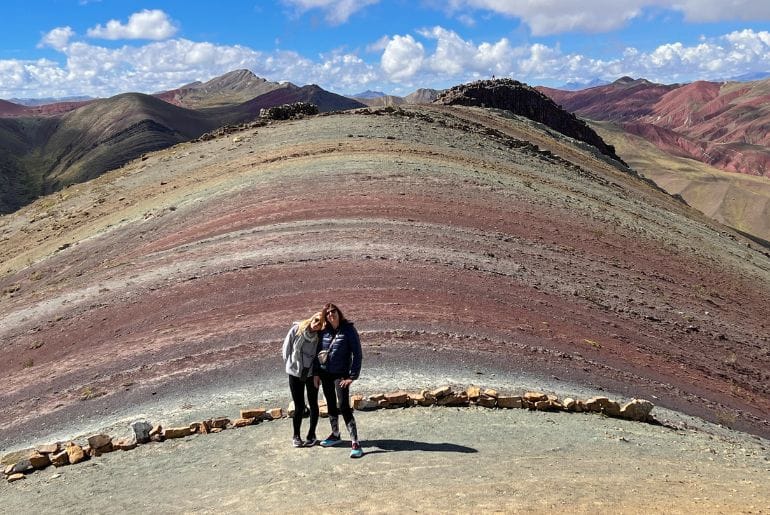
Another reason the trail is so accessible is because Palccoyo was designed as an option for those who can’t or don’t want to do the strenuous Vinicunca trek. It’s as if the mountain is saying: “Relax, you’ll still enjoy it without suffering.” And make no mistake — the scenery doesn’t fall short: three rainbow mountains, a stone forest, and amazing valley views.
Ananiso Canyon
Ananiso Canyon, located in the community of the same name in Pitumarca, Cusco, is a stunning natural destination that remains largely off the tourist radar. Stretching for 3 km with a depth of 150 meters, this canyon features dramatic landscapes, natural viewpoints, and caves with ancient rock paintings.
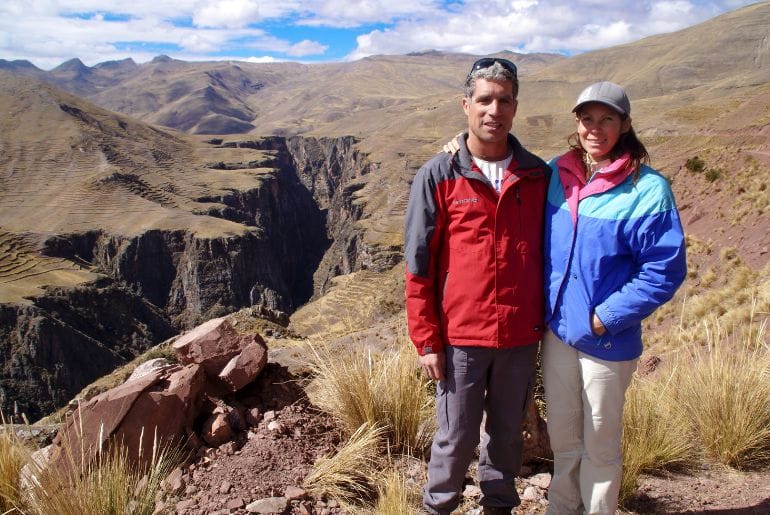
The walk through the canyon takes around 40 minutes, during which you’ll cross rustic bridges, spot native flora and fauna, and reach a waterfall known as “Warmi Hispana.” The canyon sits at an altitude of 4,200 meters above sea level, so make sure to acclimatize before your visit.
Q’eswachaka – The Inca Bridge
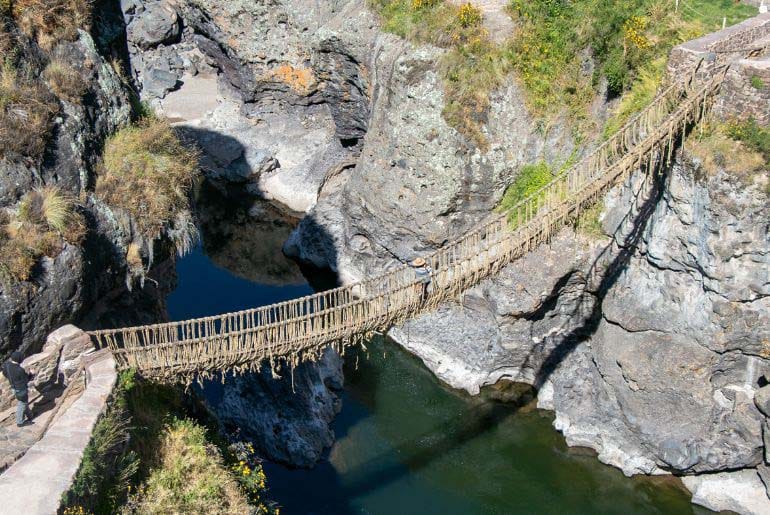
Q’eswachaka is a unique Inca bridge, the last one still standing, located about 3 hours from Cusco. This hanging bridge, made from natural fibers, is rebuilt every year by local communities using the same ancestral techniques that the Incas used centuries ago. It’s breathtaking to see it in person, suspended over the Apurímac River at a height that commands respect. Although the walk to the bridge isn’t long, the surrounding scenery is spectacular, with mountains and valleys all around.
Sibinacocha Lake
Sibinacocha Lagoon is a remote and magical destination located about 6 hours from Cusco, in the high mountains of the region. At an altitude of over 4,800 meters above sea level, this turquoise lagoon is surrounded by breathtaking landscapes, including snow-capped peaks and deep valleys. It’s considered a sacred site by local communities, who regard it as a place of great spiritual power.
Reaching Sibinacocha is quite a challenge, but the tranquility and beauty of the place, far from the crowds, make every effort worth it.
If you’re looking to experience the Peruvian Andes without a long hike, this is a great option. However, be prepared for a long and somewhat tiring car ride. Don’t forget to acclimatize beforehand, as the high altitude poses a significant risk of altitude sickness if you’re not prepared.
Singrienacocha Lake – Quispicanchis
Singrienacocha, located in the province of Quispicanchi, is a lesser-known destination with great charm. This lagoon, situated over 4,200 meters above sea level, is a peaceful paradise surrounded by mountains and farmland. What makes Singrienacocha stand out is its isolation and the tranquility it offers, far from the more frequented tourist routes.
The car journey takes about 4 hours until you reach a point almost directly at the lagoon. From there, you’ll only need to walk for about 20 to 30 minutes, depending on your pace.
Conclusión
It’s important to keep in mind that, although many of these destinations involve short hikes, the altitude at which they are located can make the effort feel much greater. Being at over 4,000 meters means less oxygen, which can cause fatigue, shortness of breath, or dizziness, especially if you’re not well acclimatized. Therefore, it’s crucial to take the time to adjust, walk slowly, and avoid overexerting yourself. Even if the distance is short, the altitude can make any stretch of the journey more demanding than it appears.
Related Posts:
The Best ATV & Quad Tours from Cusco – Peru
Best Activities and Family-Friendly places to visit in Cusco
Attractions in Cusco that you may not have known existed
The Inca Trails: Best Routes for Trekking
Cusco Tourist Ticket Explained (Boleto Turístico)
The Most Important Festivities in Cusco
The Most Instagrammable Spots in Cusco