
When it comes to trekking in Peru, Choquequirao vs. Machu Picchu are two of the most popular Inca sites on any adventurer’s list. Both offer stunning views, rich history, and incredible archaeological wonders, but each provides a distinctly different experience. Whether you’re an avid hiker, a history lover, or simply in search of adventure, understanding the differences between Choquequirao vs. Machu Picchu will help you choose the trek that’s right for you.
In this comparison, we’ll dive into Choquequirao vs. Machu Picchu in terms of difficulty, crowds, history, scenery, and more — giving you a clearer picture of what to expect.
1. Location and Accessibility
Machu Picchu, located just outside Aguas Calientes, is the more famous and easily reachable of the two. You can take a train from Ollantaytambo to Aguas Calientes and then catch a bus up to the ruins, making it relatively simple to visit.
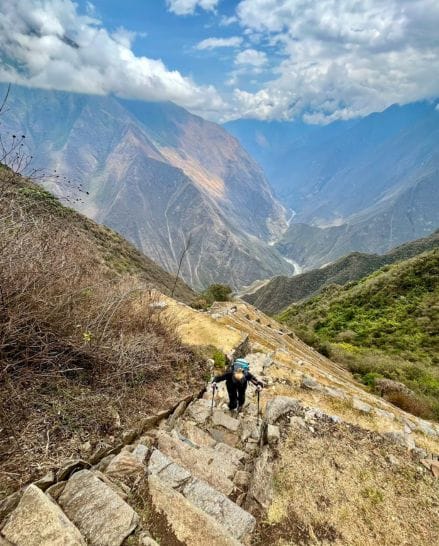 The trek to Choquequirao
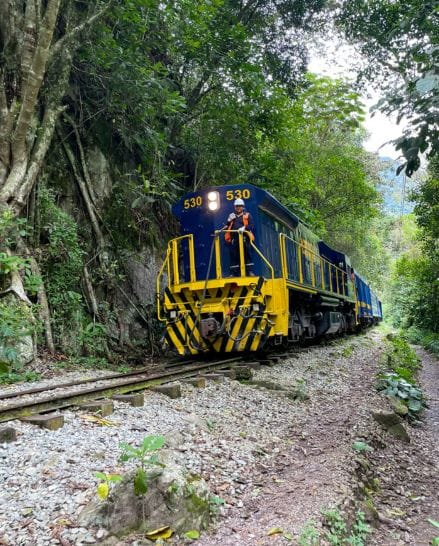 Train to Machu Picchu
Choquequirao, is much more remote and requires a multi-day trek from the nearest town, Cachora. The hike itself is challenging, and there are no direct transportation options, making it a more adventurous and physically demanding journey.
Key difference: While Machu Picchu is more easily accessible by train and bus, Choquequirao requires a longer, more strenuous trek, perfect for those seeking a more isolated adventure.
2. Crowds and Popularity
Machu Picchu: This iconic Incan citadel doesn’t exactly fly under the radar — especially between May and September, when travelers from all over the globe flock to its ancient stone steps and misty mountain views.. Although it’s possible to enjoy the site early in the morning or later in the afternoon, expect a bustling atmosphere.
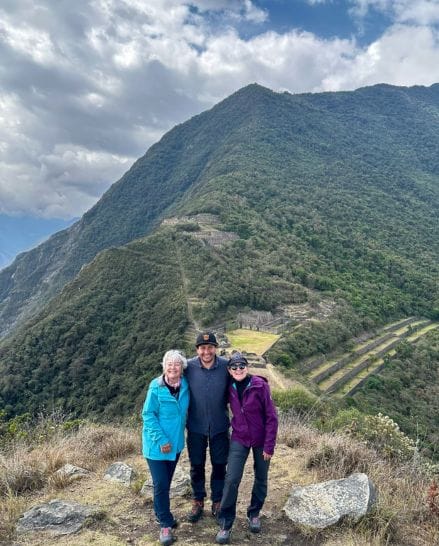 Choquequirao Photo
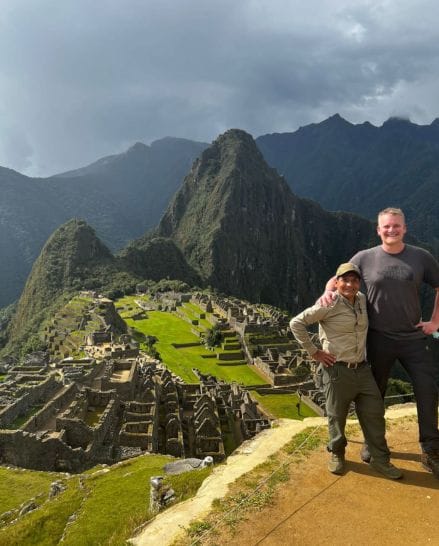 Machu Picchu Photo
Choquequirao: Still flying under the radar, Choquequirao doesn’t get nearly the same attention as Machu Picchu — which makes it all the more appealing for those craving solitude and raw adventure. Due to its remote location and the effort required to reach it, Choquequirao is much less crowded.
You’ll likely have the opportunity to explore the ruins in a more peaceful and intimate setting, which can make for a more rewarding experience.
3. Trekking Difficulty
Machu Picchu, While the trek to Machu Picchu (via the Inca Trail) is moderate in difficulty, there are alternative routes like the train route, which is less physically demanding. However, the Inca Trail itself, though scenic, still involves high-altitude trekking and requires some physical fitness.
The Choquequirao Trek, is much more challenging. The trek is steep, long, and physically demanding, with significant elevation gain and loss. Expect 5-6 hours of trekking each day, with steep climbs and descents. The altitude, combined with the remote terrain, makes this trek harder for those not accustomed to rugged hikes.
4. Historical Significance
Machu Picchu: Often called the “Lost City of the Incas,” this ancient site was brought back to the world’s attention in 1911 by explorer Hiram Bingham and is celebrated as one of the finest achievements in architecture and engineering feats of the Inca Empire. It’s recognized as a UNESCO World Heritage Site and welcomes millions of visitors annually, drawn by its cultural significance and breathtaking scenery.
Choquequirao: Often referred to as Machu Picchu’s “sister,” Choquequirao is still one of Peru’s best-kept secrets. Though it flies under the radar, this remote site holds major historical weight — likely serving as a key ceremonial center and even a strategic military base for the Incas. With little restoration and barely a crowd in sight, it offers a rare, raw glimpse into the ancient world — like stepping into history without the selfie sticks.
5. Scenery and Natural Beauty
Machu Picchu: Set among soaring Andean peaks and misty cloud forests, Machu Picchu is nothing short of breathtaking. Perched high atop a mountain, the ruins offer sweeping, unforgettable views of the surrounding landscape.
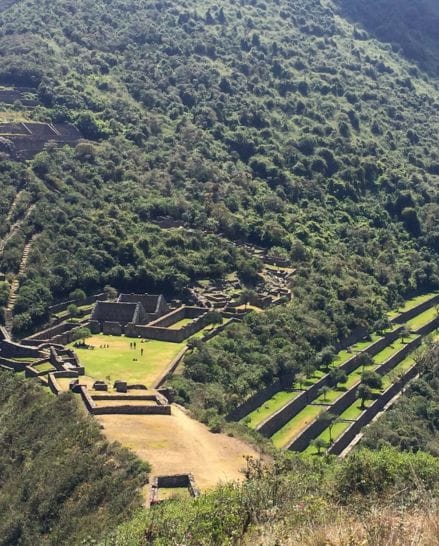 Choquequirao Landscape
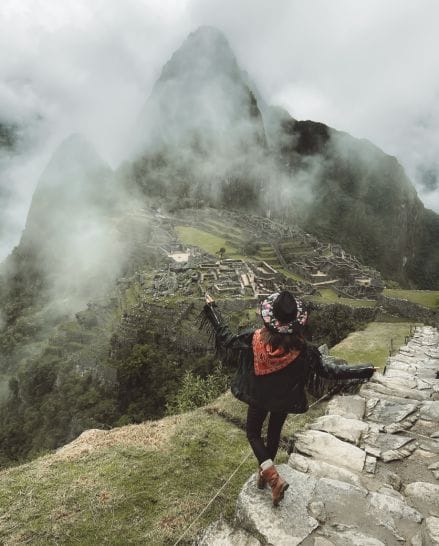 Machu Picchu Landscape
Choquequirao’s scenery is equally, if not more, spectacular. Situated in a remote part of the Vilcabamba range, the site overlooks the Apurímac River canyon, with sweeping views of the Andes mountains.
6. Time and Duration of the Treks
Machu Picchu: Most visitors reach Machu Picchu either through a one-day Inca Trail trek or a combination of train and bus. The classic Inca Trail takes 4 days and involves trekking along ancient Inca paths to reach the ruins.
Choquequirao: The trek to Choquequirao usually spans 4 to 5 days, though how long it takes really depends on your rhythm — and how often you stop to soak in those jaw-dropping views.. The journey is longer and more demanding, thanks to its remote setting, steep ascents, and rugged trails.
Key difference: If you’re looking for a shorter trek or don’t have several days to spare, Machu Picchu may be the better option. However, if you have time and want a more immersive adventure, Choquequirao offers a more challenging but rewarding experience.
7. Costs to Machu Picchu and Choquequirao
Machu Picchu: A trip to Machu Picchu doesn’t come cheap — especially if you’re planning to hike the legendary Inca Trail, which can add a hefty sum to your adventure budget. Permit fees, guided tours, and train tickets can add up fast — and don’t forget, there’s also an entrance fee to explore the ruins.
Choquequirao: The trek to Choquequirao is generally cheaper than the Inca Trail, but the cost can still vary depending on whether you go independently or book a guided tour. You’ll need to account for guide fees, permits, and camping gear rental.
Which Trek is Right for You?
Choosing between Choquequirao vs. Machu Picchu really depends on the kind of experience you’re looking for.
Choose Machu Picchu if you prefer a less physically demanding trek, want to visit a world-famous landmark, and are looking for easier accessibility and a shorter time commitment.
Choose Choquequirao if you’re after a more challenging trek, want to avoid the crowds, and are interested in exploring untouched ruins while enjoying pristine landscapes and a more intimate hiking experience.
Both Choquequirao and Machu Picchu are extraordinary Inca sites, each offering a unique adventure that’s sure to leave you.
Related Posts:
Discover 5 Secrets of Machu Picchu
Lares Trek and Inca Trail: Comparison and Differences
Machu Picchu Trek: Best Trekking Routes to Machu Picchu
The Inca Trails: Best Routes for Trekking
Choquequirao Trek: Reasons to Visit Now