
Planning Rainbow Mountain with kids calls for a closer look at altitude, walking, weather, and the long journey from Cusco. The famous colors are appealing to travelers of all ages, but a beautiful destination is not automatically a suitable excursion for every child. A visit to Rainbow Mountain near Cusco reaches elevations where even fit adults can feel unwell.
We offer guided Rainbow Mountain excursions and can explain the formats available through our Rainbow Mountain tour selection. Before any family books, we encourage parents to consider each child’s health, maturity, comfort with long travel days, and ability to communicate when something feels wrong. Those questions matter more than an attractive photograph or a short description of the trek.
Why Altitude Matters for Children
Vinicunca’s viewpoint is commonly described at approximately 5,200 meters above sea level. That is substantially higher than Cusco, which already sits at a significant elevation. Rapid ascent can cause altitude illness, and children are not protected simply because they are young, energetic, or accustomed to walking at home. Headache, unusual tiredness, nausea, poor appetite, and changes in behavior deserve attention.
The CDC guidance on high-altitude travel explains that acclimatization is individual and that symptoms should never be ignored. The CDC guidance for traveling with children advises families to assess planned activities and discuss relevant health risks before an international trip. Parents of young children or children with underlying medical conditions should obtain individualized advice from a qualified clinician before arranging a high-altitude outing.
If a child develops symptoms that could indicate altitude illness, do not push onward to reach the viewpoint. Stop ascending, inform the guide, and follow appropriate medical guidance. Severe symptoms, including unusual confusion or difficulty breathing at rest, require urgent attention and descent rather than a wait for a better photograph.
Understanding the Walking Requirements
The final approach to Vinicunca can involve uneven ground, gradual stretches, steeper sections, and cold wind. Walking times vary by route, starting point, trail conditions, and personal pace. Even an outing advertised as a day trip may occupy most of the day after the drive, breaks, ascent, and return have been included.
Before booking, ask the operator how far your family will actually walk, which portions are steep, and whether a shorter route is available. An older child with hiking experience may tolerate the physical effort better than a younger child, but neither age nor fitness eliminates altitude risk. Children should be willing participants, not passengers expected to finish an excursion they dislike.
Families should also discuss the option of turning back before the summit. A successful day can mean enjoying Andean scenery together at a safe pace rather than checking off a particular viewpoint. Agree in advance that nobody needs to continue if they feel unwell.
Packing for Cold Weather and Changing Conditions
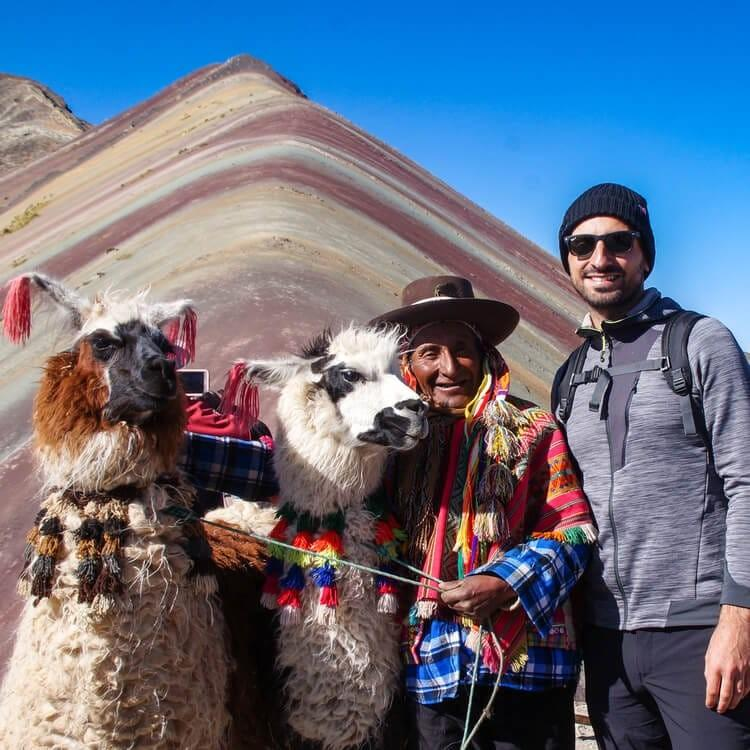
At high elevation, sunshine and cold air can occur together. Dress children in adjustable layers, including a warm outer layer, a hat, gloves, and footwear with traction. A waterproof shell, spare socks, and a dry bag for extra clothing are useful if the forecast is unsettled. Pack enough layers for the least active member of the family, since children who stop walking may cool down quickly.
Carry drinking water and familiar snacks, but avoid treating hydration as a way to prevent altitude illness. Drinking normally is sensible; forcing excessive water is not. Bring sun protection, since cloud and cool temperatures can create a false impression that UV exposure is harmless. The World Health Organization’s ultraviolet guidance supports using clothing, shade when available, and sunscreen to reduce exposure.
Parents should also pack any prescribed medication, simple first-aid supplies, and an easily accessible emergency contact plan. Keep important items in an adult’s daypack instead of relying on children to carry their own essential layers.
Transportation, Breaks, and Tour Format
Time in the vehicle matters, particularly for children prone to motion sickness or restlessness. Ask about departure time, estimated driving duration, restroom stops, meal arrangements, and the expected return to Cusco. A very early pickup after a late arrival may leave children exhausted before the hike begins.
Private arrangements can make it easier to discuss rest periods and individual needs, but families must still respect trail conditions, route access, guide instructions, and the limits of daylight. We recommend discussing the ages of all children in advance rather than assuming an ordinary group itinerary can be adjusted on the day.
Look closely at the tour description for the actual itinerary. A label such as family-friendly means little without details about elevation, transport, walking distance, and what happens if someone needs to stop early.
Do Horseback Riding or Palccoyo Make Sense?
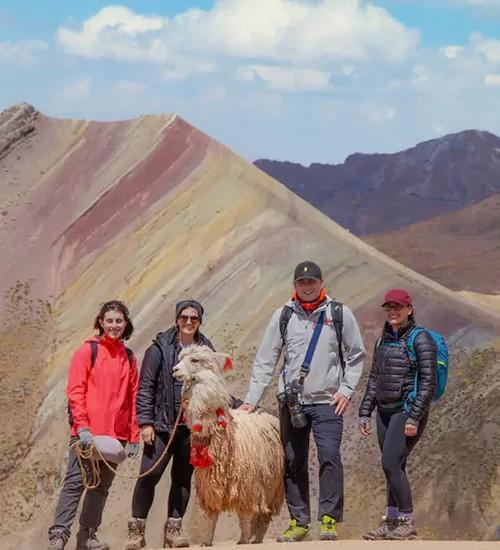
Some visitors explore horseback riding to Rainbow Mountain because it can reduce the amount of walking on eligible route sections. However, riding requires balance, supervision, appropriate equipment, and the cooperation of the animal. Route availability and age restrictions must be confirmed with the operator and local handlers. Horseback travel does not reduce the destination’s altitude.
Palccoyo is sometimes preferred by travelers seeking a shorter walk to colorful hills. Peru’s official tourism information on Palccoyo’s viewpoints and routes describes its different mountain formations, yet the destination remains very high above sea level. A shorter hike should not be misrepresented as a medically safer low-altitude activity.
We recommend comparing the actual walking and riding arrangements before deciding. A family may reasonably choose a gentler day in Cusco or the Sacred Valley instead, particularly if a child is still adjusting to the elevation.
Breaks, Warning Signs, and Turning Back
Set an unhurried pace and make space for brief rests without requiring every child to match the strongest adult. Ask how they feel using specific questions, especially if they are too young to describe dizziness or headache clearly. Irritability, unusual quietness, refusal to walk, or repeated complaints can be signs that something is wrong.
If someone becomes unwell, tell the guide immediately. Do not dismiss symptoms as tiredness, delay an appropriate descent, or rely on oxygen equipment as a reason to continue. Families should know how the operator arranges help or transport if the planned route cannot be completed. A responsible decision to stop is part of good adventure planning.
Choose a Family Excursion With Confidence
At Rainbow Mountain Expeditions, we can discuss our existing tour formats and explain what the routes involve, but parents and clinicians are best placed to assess a child’s suitability for significant altitude. Our horseback tour information can help families understand one possible format before making inquiries.
A Palccoyo Rainbow Mountain tour offers one alternative for families to investigate. A private Rainbow Mountain tour provides another itinerary format to discuss. Contact our team to ask about route demands, transport, and suitable arrangements before booking.