
Can you imagine walking through breathtaking landscapes without crowds, discovering authentic cultures, and having the whole place (almost) to yourself? Well, today’s your lucky day. We’ve put together a list of places that are still hidden gems—but not for long. These underrated travel destinations offer more than just a pretty view—they give you real experiences, real connections, and moments that feel truly yours. Take advantage and explore them before the tourists arrive and the prices go up!
Choquequirao Archeological Park
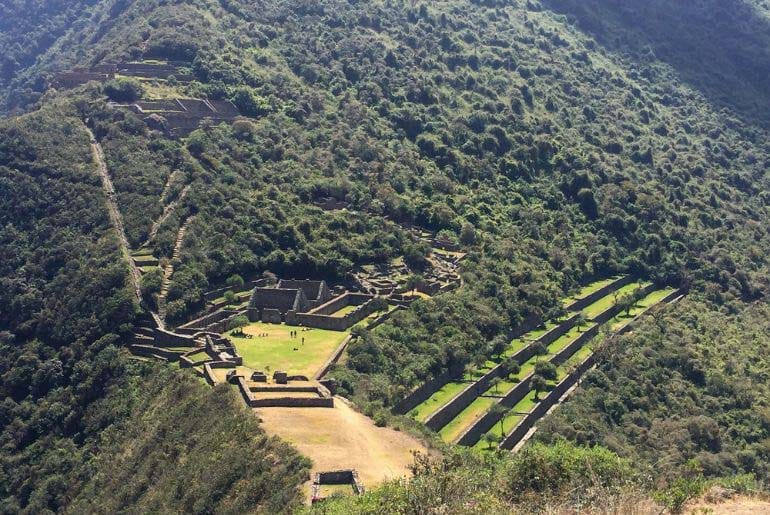
Have you ever dreamed of discovering an Incan site as majestic as Machu Picchu? Then Choquequirao is for you. This impressive archaeological site, known as the “sacred sister of Machu Picchu,” is strategically located between the regions of Cusco and Apurímac, perched above the stunning Apurímac Canyon, one of the deepest in the world.
What is Choquequirao and why should you visit it?
Choquequirao is a lost Incan citadel hidden among the mountains, high in the Vilcabamba range. It’s called “the sacred sister of Machu Picchu,” not because they look alike, but because both were built in seemingly impossible locations and served similar purposes: ritual, administrative, and possibly as a refuge during times of war.
It sits at over 3,000 meters above sea level, and you can’t get there by train or bus—you have to earn it with your legs, hiking one of the toughest trails in Peru. That’s why few people visit, which makes it even more special: it’s still wrapped in silence, mist, and mystery.
The city is only partially excavated, but you can already see agricultural terraces, plazas, canals, temples… and even terraces decorated with white llama figures embedded in stone—something you won’t find anywhere else. The Incas knew exactly what they were doing. Choquequirao wasn’t just a forgotten village—it was a powerful center, possibly the last stronghold when the Spanish had already turned everything upside down.
Waqrapukara: The Inca Sanctuary
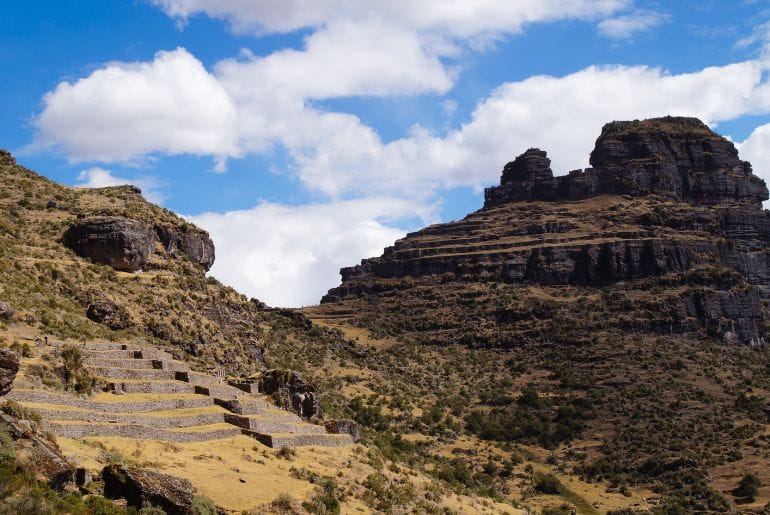
If you’re looking for a magical destination full of history, nature, and breathtaking views, then Waqrapukara needs to be on your list. Nestled in the province of Acomayo, Cusco region, this extraordinary Inca sanctuary remains a well-kept secret to most travelers.
What is Waqrapukara and why should you visit it?
Waqrapukara means “horned fortress” in Quechua (waqra = horn, pukara = fortress). And believe me, the name is no exaggeration: this place looks like a fortress carved into the edge of a cliff, and right at the center stands a rock formation with two large “horns” reaching toward the sky.
It clings to the landscape at around 4,300 meters above sea level—so if you decide to go, get ready to feel close to the clouds, or at the very least, short of breath. But every step is worth it. Not just for the views, but because this site blends Inca architecture with something even older, likely from the pre-Inca Qanchis culture. In other words, this place was already special long before the Incas ever said, “This is ours.”
Quelccaya Ice Cap
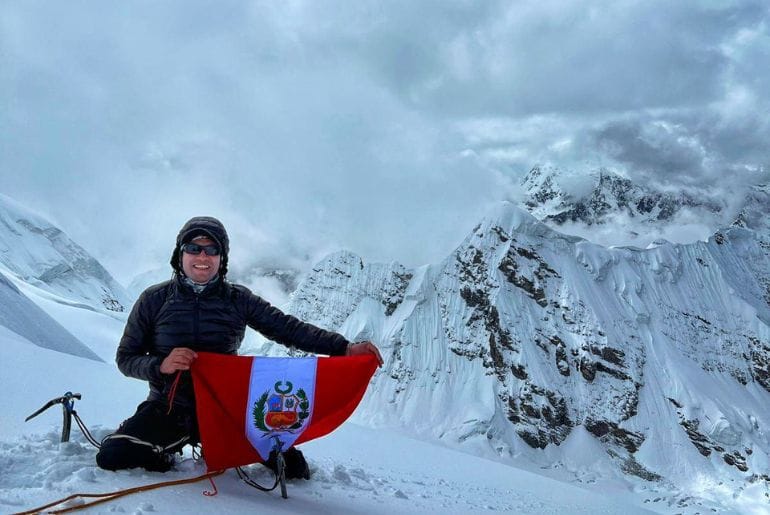
If you’re looking for a one-of-a-kind experience in the Peruvian Andes, the Quelccaya Glacier is one of the most stunning and least-explored destinations you can visit. Located between the regions of Cusco and Puno, this majestic glacier is considered the largest in the world near the equator.
Why visit Quelccaya Ice Cap
Quelccaya Glacier (pronounced kel-kaya, by the way): a white giant that lives in the heart of the southern Peruvian Andes, in the Cusco region, brushing up against Puno. Its name comes from Quechua and roughly translates to “snowy plain.”
Now listen to this: it’s the largest tropical ice cap in the world. Yes, you read that right—tropical. We’re not talking about the Arctic or Antarctica here, but a wall of ice sitting right in the equatorial zone, where you wouldn’t expect to find such a natural freezer. Yet there it is, defying all expectations at over 5,000 meters above sea level.
This glacier is as important as it is impressive. First, because it’s a vital source of fresh water for high-Andean communities. And second, because it’s like a natural climate archive: its layers of ice hold over 1,500 years of environmental history. Every ancient snowfall, every drought, every trace of volcanic ash—it’s all frozen in time, like a planetary diary.
But (and here comes the sad part), Quelccaya is melting. For decades, scientists have been warning that the glacier is retreating at an alarming rate. What once took centuries is now happening in just a few years.
Pongo de Mainique
This breathtaking canyon, carved by the mighty Urubamba River, is considered by many to be one of the most sacred and biodiverse places in all of Peru.
Why visit the Pongo de Mainique?
The Pongo de Mainique is an incredibly narrow and deep gorge that the Urubamba River has carved through steep mountains in the high jungle of Cusco.
This place is famous for being one of the most dangerous stretches of the Urubamba River, with rapids and currents that test the courage and skill of any adventurer brave enough to navigate it. For locals and experts in the region, the Pongo is not just a natural challenge—it’s a nearly sacred site, filled with legends and spirits said to guard the jungle.
Moreover, the Pongo de Mainique is the natural gateway that connects the highlands to the rainforest—the last major pass before entering the Amazon Basin.
Red Valley in Cusco
Ever imagined walking through a place so red it feels like you’ve stepped onto another planet? That’s exactly what the Red Valley near Rainbow Mountain is like. It’s one of the most beautiful and surprising spots in Peru — a landscape full of deep red tones thanks to the minerals in the soil, especially oxidized iron.

It’s not as crowded as Rainbow Mountain, so you can really take in the views, the silence, and the feeling of being somewhere totally unique. If you’re into photography, hiking, or just discovering places that feel out of this world, the Red Valley is definitely worth the trip.
Singrinacocha Lagoon
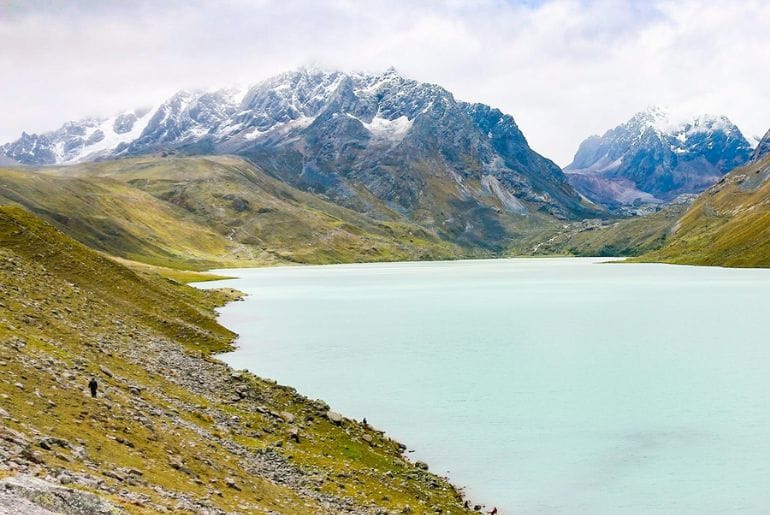
If you thought only Huaraz had jaw-dropping turquoise lagoons, get ready to be surprised. Just a few hours from the imperial city, you’ll find one of those hidden gems that could easily become one of your favorite spots. It’s located in the province of Quispicanchi, Cusco.
What is Singrinacocha Lagoon?
The name comes from Quechua: Sinrinasqocha can be translated as “the lagoon that has been wept” or “lagoon of tears”—not for romantic reasons, but because its history and surroundings carry a melancholic and mystical vibe, typical of those Andean places that seem to whisper legends in your ear.
It’s located in a high Andean area, surrounded by grass-covered mountains and rocky slopes, at more than 4,000 meters above sea level. The air is thin and the silence, nearly absolute. It’s not a large or famous lagoon, which makes it even more special: very few people visit, so it remains almost untouched—ideal for meditating, peaceful hiking, and connecting with nature without distractions. You might spot trout in its waters or, if you’re lucky, an Andean bird stopping by for a drink.
Perolniyoc Waterfall
Looking for a magical, off-the-beaten-path destination near Cusco? Then you can’t miss this incredible spot—a hidden treasure that many people overlook or simply pass by without giving it much attention. The best part? It’s tucked away in the heart of the Sacred Valley of the Incas.
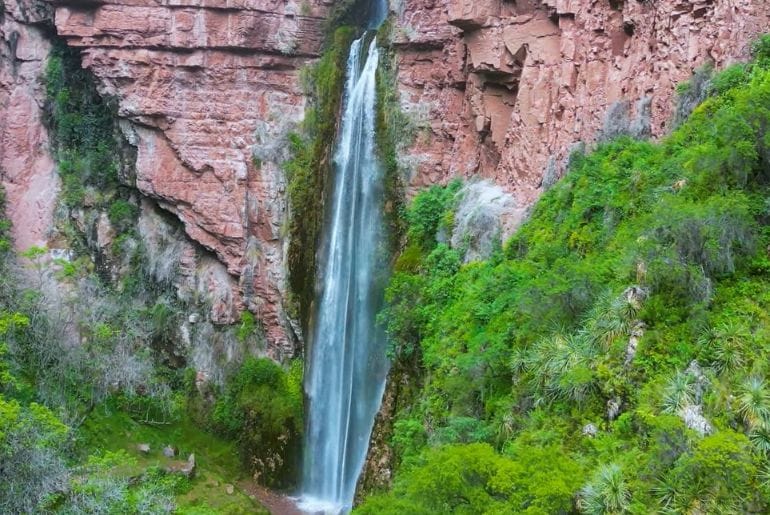
Why should you visit Perolniyoc Waterfall?
This waterfall isn’t the tallest or the most famous, but it has a unique charm. It’s surrounded by stunning landscapes, and its waters fall powerfully between rocky cliffs that seem to guard it like a secret.
It’s located near the community of Perolniyoc, along a route that connects several towns in the Sacred Valley—an area where the Incas once farmed and lived. The waterfall not only cools the air but also feeds streams and irrigation systems still used by local communities for agriculture. The trail to the waterfall offers views of ancient terraces, green fields, and breathtaking vistas of the valley.
Wilcacunca: The Secret Rainbow Mountain
Have you heard of the Wilcacunca Rainbow Mountain? While it may not be as famous as Vinicunca, this newer and exclusive natural attraction in the Vilcanota Mountain Range is a true hidden gem nestled in the heart of the Peruvian Andes. If you’re planning a trip to Cusco and looking for a different kind of adventure—surrounded by jaw-dropping landscapes and far from the crowds—Wilcacunca is your perfect destination.
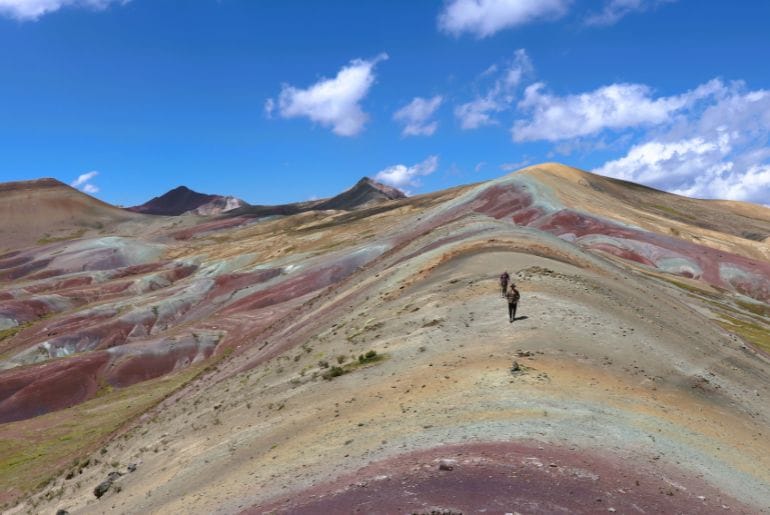
What is Wilcacunca and why should you visit?
This new tourist destination, also known as the new Rainbow Mountain, has earned its fame thanks to the vibrant colored bands on its slopes—reds, ochres, greens, and even purples—caused by the presence of minerals like iron, copper, and other natural elements in the soil. It’s not just nature showing off; it’s the product of millions of years of geological processes, erosion, and sedimentation.
But that’s not all. Wilcacunca doesn’t just feature one rainbow mountain—it has several in the same area. That’s right: multiple colored mountains in a single location. Its beauty has even been compared to China’s Zhangye Danxia landforms, located on the other side of the world.
Ananiso Canyon
Looking for a unique destination in Peru, far from mass tourism, where nature, mystery, and adventure come together in one unforgettable experience? Then you need to visit the Ananiso Canyon, an awe-inspiring natural paradise located in the province of Canchis, Pitumarca district, in the community of Uchullucllu, Cusco.
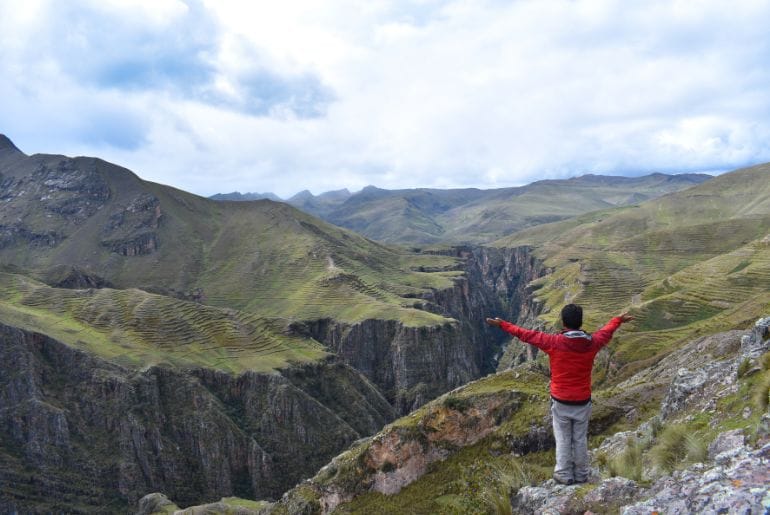
What is the Ananiso Canyon?
This canyon, stretching 3 km long and reaching depths of 150 meters, was formed over millions of years by rainwater erosion, leaving behind an impressive geological footprint.
At an altitude of approximately 4,200 meters above sea level, the canyon offers breathtaking landscapes, with towering rock walls and a wide range of flora and fauna, including Andean birds, South American camelids, and various native species.
Inside the canyon, visitors can explore ancient trails leading to natural viewpoints like Waraq Pata, where you’ll get a panoramic view of the canyon and its surroundings. You’ll also find pre-Incan rock paintings—silent witnesses of ancient cultures that once walked this sacred land.
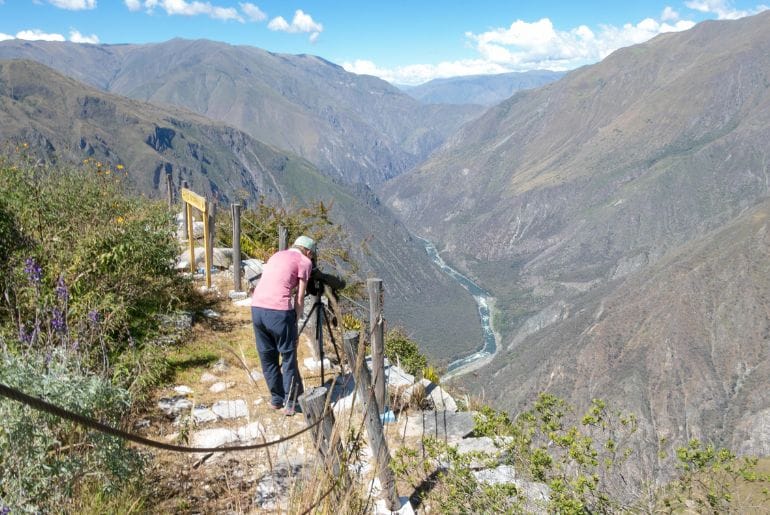
Condor Viewpoint in Chonta
If you’re looking for a real, authentic experience away from the usual tourist spots, the Condor Viewpoint in Chonta, Cusco, is a place you can’t miss. It sits high in the Andes, offering amazing views of the Apurímac Canyon, one of the deepest canyons in South America. Here, you have a great chance to see the Andean condor flying in its natural home.
In Conclusion
These destinations still breathe tranquility, authenticity, and beauty in their purest form. But it won’t stay that way forever. So, if you’re looking to enjoy unique experiences without the crowds, start planning your trip now with the best—like Rainbow Mountain Expeditions, who offer exclusive access to these hidden gems. Don’t wait any longer—reach out to the experts and make your adventure a reality.
Related Posts:
The Best ATV & Quad Tours In Cusco – Peru
The Inca Trails: Best Routes for Trekking
Best Activities and Family-Friendly places to visit in Cusco
Attractions in Cusco that you may not have known existed
Top Day Trips & Easy Tours from Cusco (No Long Hikes Required)
The Most Instagrammable Spots in Cusco