
Travelers often assume that altitude alone determines difficulty in the Andes. If two routes reach the same elevation, they should feel similar. In reality, that is rarely the case. We regularly guide guests on different treks that top out at comparable heights, yet one feels dramatically more demanding than the other.
Altitude is only one variable. Terrain type, slope angle, surface stability, and sustained oxygen demand all influence how hard a trek feels. Whether we are operating a rainbow mountain climb, leading a Rainbow Mountain tour, or coordinating a multi-day Choquequirao trek, we evaluate difficulty far beyond elevation alone.
Understanding these factors helps travelers choose wisely and prepare effectively.
Altitude Is Only the Starting Point
High elevation reduces oxygen availability. On routes like rainbow mountain, which rises above 5,000 meters, the body must work harder to perform the same tasks it could easily manage at sea level.
However, two treks at 4,500 meters can feel completely different. One may involve gradual slopes on compact ground. The other may feature loose gravel and steep gradients. The difference in perceived effort can be significant.
When guests ask us to compare a rainbow mountain day trip peru with a humantay lake tour, we explain that although both reach high elevations, terrain and slope profiles create distinct physical demands.
Terrain Type and Surface Stability
Surface composition plays a major role in how difficult a trek feels.
On certain sections of rainbow mountain, hikers encounter loose dirt and small stones. Walking on unstable ground forces muscles to engage more intensely for balance. Even at the same altitude, that instability increases energy expenditure.
By contrast, portions of a Sacred Valley Trip From Cusco may involve well-maintained paths with solid footing. The oxygen demand remains similar, but stable terrain reduces muscular strain.
Routes like the rainbow mountain and red valley tour combine varied surfaces. Smooth stretches alternate with rocky inclines. That constant adjustment elevates fatigue levels.
During extended programs such as the Choquequirao trek, terrain variety is even more pronounced. Stone steps, dirt paths, and uneven mountain trails all demand different muscle engagement patterns.
Slope Angle and Sustained Climbing
Slope angle is one of the most underestimated factors in trek difficulty.
A short but steep incline can raise heart rate rapidly. Sustained steep climbing at altitude increases oxygen consumption and accelerates fatigue.
For example, a Rainbow Mountain a Day trip from Cusco includes sharp elevation gain in a relatively short distance. The steepness of the final ascent is often what guests remember most.
In contrast, some segments of a Machu Picchu tour by train combined with guided site exploration involve gradual inclines. While Machu Picchu still requires walking at elevation, the slope angle is generally less aggressive.
When we design a Rainbow Mountain 2-day trek, we spread elevation gain over a longer timeframe. Even if the maximum altitude matches the single-day version, distributing slope intensity reduces perceived difficulty.
Oxygen Demand and Continuous Effort
Another key variable is how consistently oxygen is required.
Some treks allow natural recovery moments. Rolling terrain with small descents gives the cardiovascular system brief relief. Other routes demand continuous uphill movement without interruption.
On a rainbow mountain tour, the final ascent often involves sustained climbing with limited flat sections. This increases cumulative oxygen demand.
By comparison, certain day trips within the Sacred Valley incorporate pauses between archaeological sites. Those built-in recovery moments lower overall strain.
For guests combining a Machu Picchu package tour with high-altitude hikes, we sequence the itinerary carefully. Alternating between moderate and intense oxygen demand days prevents cumulative exhaustion.
Length of Exposure at High Elevation
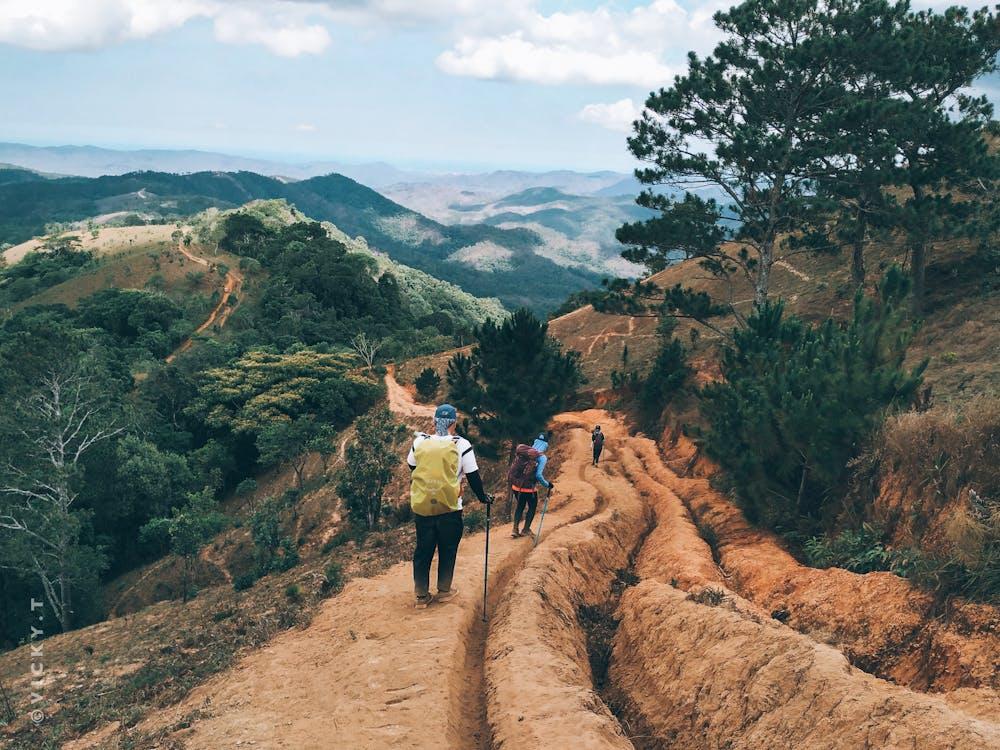
Time spent at maximum altitude influences how difficult a trek feels.
On a rainbow mountain route, the summit experience is relatively brief before descent begins. The intensity comes from steep climbing rather than prolonged exposure.
In contrast, parts of the Choquequirao trek may keep hikers at elevated altitudes for extended periods. Even if slopes are moderate, prolonged oxygen restriction increases fatigue.
Similarly, during a seven lakes tour, extended time at high elevation combined with repeated ascents can feel demanding despite moderate slopes.
Understanding exposure duration helps us prepare guests realistically.
Load and Equipment Factors
Carrying weight changes difficulty dramatically.
Guests on a rainbow mountain private tour often carry only light daypacks. That reduces muscular strain. On longer treks such as the Choquequirao trek, even moderate loads can increase perceived effort significantly.
Footwear also matters. Uneven surfaces on a rainbow mountain ATV tour access point still require walking at elevation. Proper traction reduces instability and conserves energy.
Even during cultural experiences like a sacred valley tour from Cusco, appropriate footwear prevents unnecessary fatigue over uneven stone paths.
Psychological Perception of Difficulty
Mental factors also influence how hard a trek feels.
A dramatic incline visible in front of you can feel intimidating, increasing perceived exertion. Routes like rainbow mountain, often present a visible summit ridge that appears close but requires steady climbing.
By contrast, gradual climbs on a Sacred Valley Trip may feel easier because the horizon unfolds slowly.
During a Machu Picchu Trip From Cusco, guided storytelling and cultural immersion can shift focus away from physical strain, making walking feel less demanding.
Perception matters, especially at altitude where mental fatigue amplifies physical fatigue.
Why Proper Comparisons Matter
When guests ask us to compare a rainbow mountain day trip with a humantay lake tour or to choose between a Rainbow Mountain trip and a 2 day trek, we break down:
- Terrain type
- Slope angle
- Oxygen exposure duration
- Surface stability
- Recovery intervals
As a trusted rainbow mountain tour company and experienced rainbow mountain tour company, we believe transparency leads to better preparation.
Altitude numbers alone do not tell the full story.
Choosing the Right Trek for Your Goals
If you are planning a trip to Machu Picchu package alongside high-altitude hikes, we will design a balanced sequence that accounts for terrain intensity and oxygen demand.
If you are considering a Rainbow Mountain Day trip but are concerned about steep sections, a rainbow mountain private tour allows flexible pacing.
For travelers seeking a longer challenge, the trek offers dramatic terrain variation that tests endurance beyond altitude alone.
Even moderate excursions like a sacred valley day trip can feel different depending on slope and walking surfaces.
Our role is to help you interpret these variables before you commit.
Trek with Clarity and Confidence: Let Us Match the Route to Your Strength
Not all high-altitude treks are created equal. Terrain, slope, and oxygen demand shape every step.
At Rainbow Mountain Expeditions, we guide guests through options including rainbow mountain adventures, comprehensive Machu Picchu package tour programs, multi-day Rainbow Mountain Peru Tour experiences, and immersive Sacred Valley Trip From Cusco itineraries.
Contact us today to plan your Andean journey. We will help you choose a trek that matches your goals, respects your endurance, and transforms altitude into achievement rather than obstacle.