
The Choquequirao trek offers an immersive experience along the Neo-Inca Expedition Trail, giving travelers insight into a lesser-visited Incan site often compared to Machu Picchu. This route highlights the impressive scale of Incan architecture, steep mountain terraces, and strategic urban planning designed for both defense and agriculture. Unlike Machu Picchu, Choquequirao sees fewer visitors, which allows for a more intimate interaction with the ruins while still presenting a challenging access experience.
The trek also provides opportunities to witness Andean wildlife, observe local farming practices, and engage with remote communities along the way, adding cultural depth to the adventure.
Architectural Grandeur and Historical Significance
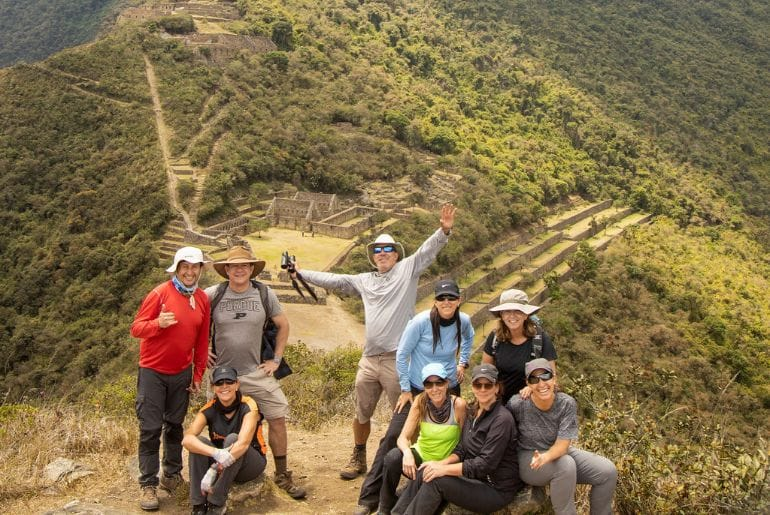
Choquequirao’s structures stretch across multiple levels, connected by stairways and plazas that follow the natural contours of the mountains. The site preserves ceremonial platforms, residential areas, and agricultural terraces reminiscent of Machu Picchu, yet with a rugged, remote quality. The Neo-Inca Expedition Trail emphasizes this architectural continuity while allowing trekkers to fully appreciate the engineering prowess of the Incas and the surrounding dramatic Andean scenery.
The combination of scale, isolation, and carefully planned terraces provides a distinctive perspective on Incan urban planning and construction methods. Interpretive signage and knowledgeable guides further enhance understanding of ceremonial and daily-life functions within the ancient city, making each visit educational, immersive, and deeply engaging.
Visitor Volume and Trail Experience
One of the main distinctions between Choquequirao and Machu Picchu is crowd density. The Choquequirao trek offers a quieter experience with smaller groups, whereas Machu Picchu attracts thousands of visitors daily. This lower volume allows travelers to move at a comfortable pace, observe wildlife, and spend more time photographing the terraces and ceremonial areas. The trail’s controlled flow also encourages sustainable tourism practices and reduces the wear on ancient structures compared to heavily trafficked Machu Picchu.
Additionally, smaller groups often allow more flexibility for stops along side trails, optional detours, and personal reflection amidst the high-altitude scenery.
Access Difficulty and Preparation
Accessing Choquequirao requires navigating steep ascents and descents, often exceeding 1,200 meters in elevation change. Trekkers should be prepared for multi-day hiking with limited facilities along the route. The Neo-Inca Expedition Trail involves long stretches of uneven terrain and river crossings, demanding both stamina and planning. Unlike the train-assisted access to Machu Picchu, this trek relies on physical effort, though horseback assistance or guided support is available for those seeking an adjusted experience. Proper acclimatization, careful packing, and pacing are essential for enjoying the site safely and fully. Experienced guides can also provide insight into seasonal conditions, ensuring travelers are prepared for variable weather patterns.
Make the Most of Your Incan Trekking Experience
For travelers seeking a combination of history, solitude, and challenging trekking, Choquequirao delivers an experience complementary to Machu Picchu. The Choquequirao trek, when taken along the Neo-Inca Expedition Trail, allows for controlled pacing, deeper engagement with the ruins, and immersive views of surrounding valleys. Whether integrating the trek into a larger Rainbow Mountain Peru tour or pairing it with a Sacred Valley trip, visitors can achieve a memorable, less crowded adventure.
For those ready to experience this unique trail, Rainbow Mountain Expeditions provides expert guidance, logistical support, and carefully planned itineraries. Contact us today.