
Planning a high-altitude expedition in Peru requires thoughtful preparation, smart scheduling, and realistic expectations about trekking conditions. Many travelers begin their Andean adventure with a Rainbow Mountain Peru tour from Cusco, which introduces hikers to challenging elevations while offering an organized trekking experience. With elevations frequently exceeding 4,000 meters, these trips require physical preparation, acclimatization, and reliable logistical planning.
The Andes offer a remarkable combination of cultural heritage, remote trekking routes, and archaeological history that continues to attract travelers from around the world. For visitors planning a trip in 2026, understanding how to organize a high-altitude expedition step by step ensures both safety and enjoyment. Proper preparation helps travelers manage physical challenges while allowing them to fully appreciate the natural and cultural richness of Peru’s mountain regions.
From selecting trekking routes to preparing equipment and managing acclimatization, strategic planning transforms a demanding high-altitude trip into a well-organized and rewarding experience.
Understanding High-Altitude Conditions in Peru
High-altitude travel presents unique challenges that many travelers have never encountered before. The Andean region surrounding Cusco features mountain routes that climb quickly, often reaching elevations where oxygen levels are significantly reduced.
At these elevations, even experienced hikers may notice changes in breathing, endurance, and energy levels. This is why gradual acclimatization remains one of the most important steps in any high-altitude travel plan. Spending several days acclimating to the elevation allows the body to adapt naturally and significantly reduces the risk of altitude sickness.
During this initial adjustment period, many travelers choose light excursions such as a Sacred Valley day trip. These activities allow visitors to remain active while staying at moderate altitudes. Cultural visits to traditional villages, historical terraces, and local markets also offer meaningful experiences without overexerting the body.
Taking the time to acclimatize properly not only improves safety but also enhances overall enjoyment during more demanding hikes later in the expedition.
Selecting the Ideal Trek for Your Expedition
One of the most important decisions when planning a Peru expedition is choosing the right trekking route. The Andes offer options that range from short single-day hikes to multi-day trekking adventures across remote mountain terrain.
A well-known option among travelers is the Rainbow Mountain Peru tour, which provides access to one of the most visually distinctive mountain formations in the region. The route is challenging due to its altitude, yet it remains achievable for travelers who prepare adequately.
For those who prefer a slightly longer experience, the 2-day trek of the Rainbow Mountains allows hikers to spend additional time in the mountains while adjusting more gradually to the elevation. Overnight trekking routes provide the opportunity to experience high-altitude camping and quieter trails away from larger groups.
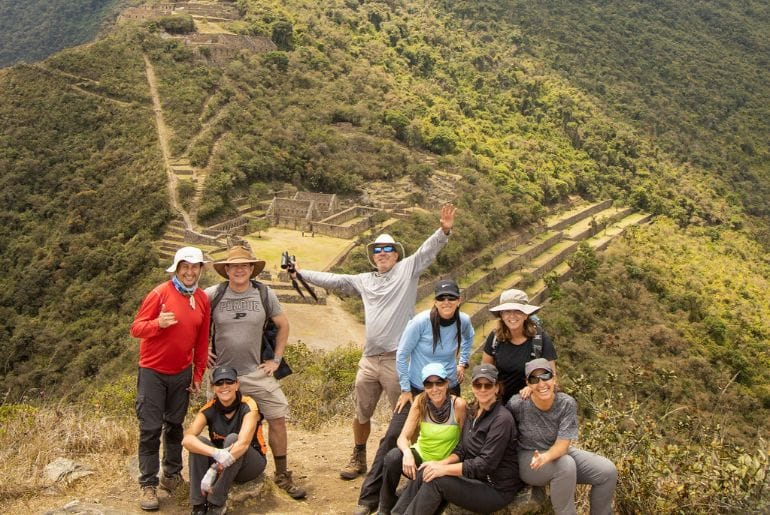
Another remarkable trekking option is the Choquequirao trek, which leads to the Choquequirao archaeological site. This route is more physically demanding and requires multiple days of hiking, but it rewards travelers with historical significance and remarkable mountain views.
Choosing the right route should always involve a realistic evaluation of fitness level, available travel time, and comfort with remote trekking conditions.
Building a Balanced Expedition Itinerary
Although trekking is the centerpiece of many high-altitude trips, a well-balanced itinerary also includes cultural experiences. Peru’s Andean region contains centuries of history, and combining physical activity with historical exploration adds meaningful depth to the overall experience.
Many visitors include a Sacred Valley trip in their travel plans. The Sacred Valley offers an impressive collection of agricultural terraces, traditional villages, and archaeological remains that reflect the achievements of the Incan civilization.
Another popular addition to high-altitude itineraries is Machu Picchu. Visiting this historic site provides important context for understanding the cultural legacy of the Andes and the architectural skill of the Incan Empire.
Balancing trekking days with cultural visits also helps travelers avoid physical exhaustion while maintaining a varied and engaging travel experience.

Physical Preparation for High-Altitude Trekking
Preparing physically before traveling to Peru greatly improves the chances of a successful expedition. High-altitude trekking requires endurance, cardiovascular strength, and consistent stamina across long hiking days.
Travelers planning a 2026 expedition should begin physical preparation several months before departure. Activities such as hiking, running, swimming, or cycling help strengthen the cardiovascular system and build endurance.
Training on hills or uneven trails can also simulate mountain conditions and prepare the body for elevation changes. Strengthening leg muscles and improving balance further reduces fatigue during long hikes.
Equally important is learning how to pace oneself during high-altitude hikes. Slow, steady walking often proves far more effective than attempting to move quickly in thin air.
Essential Equipment for the Andes
Packing appropriate equipment is essential for comfort and safety at high altitudes. Mountain weather conditions can shift rapidly, and temperatures often vary dramatically between morning and evening.
Layered clothing systems are highly recommended. A typical trekking clothing setup includes thermal base layers, insulating mid-layers, and waterproof outer jackets. This combination allows hikers to adjust clothing easily as weather conditions change throughout the day.
Footwear also plays a major role in trekking comfort. Durable hiking boots with strong ankle support protect hikers on rocky trails while reducing the risk of injury.
Additional gear commonly recommended for Andean expeditions includes trekking poles, hydration systems, sun protection, gloves, hats, and lightweight backpacks designed for long hikes.
Because ultraviolet radiation is stronger at higher elevations, sunscreen and sunglasses are particularly important for protecting skin and eyes.

Understanding Local Transportation and Access
Transportation logistics are another important aspect of expedition planning. Many trekking routes begin several hours away from Cusco and require early departures to reach trailheads.
Organized travel services often arrange transportation, meals, and guiding support for trekking groups. These services simplify the planning process while ensuring travelers reach remote locations safely.
Some travelers prefer a private tour of the Rainbow Mountain, which allows smaller groups to travel at their own pace. Private tours also provide flexibility for photography stops, rest breaks, and customized scheduling.
Understanding transportation logistics in advance prevents unnecessary delays and ensures travelers maximize their time in the Andes.
Seasonal Planning for 2026 Travel
Weather patterns in the Andes strongly influence trekking conditions. The dry season typically runs from May through September and provides the clearest skies and most stable trail conditions.
These months attract the highest number of visitors because of their reliability for trekking and other outdoor activities. Travelers planning a Peru expedition in 2026 may want to secure bookings well in advance for popular routes.
Shoulder seasons such as April and October can also provide favorable weather while offering quieter trails. During these months, occasional rain showers may occur, but many travelers appreciate the reduced crowds and peaceful mountain atmosphere.
Preparing for variable weather conditions remains essential regardless of the season chosen. Packing layered clothing, waterproof gear, and sun protection helps trekkers remain comfortable while adapting to changing mountain temperatures and sudden weather shifts.

Health and Safety Considerations
Health preparation plays a major role in high-altitude travel. Consulting a healthcare professional before departure can help travelers understand potential altitude-related symptoms and available preventative options.
Staying hydrated, maintaining steady energy levels, and allowing adequate rest between trekking days all contribute to a safer and more comfortable experience.
Travel insurance is also strongly recommended for high-altitude expeditions. Coverage that includes trekking activities and emergency evacuation provides additional peace of mind for travelers venturing into remote mountain areas.
Responsible decision-making and realistic pacing ensure that high-altitude trekking remains both safe and enjoyable.
Responsible Travel in the Andes
Sustainable travel practices are increasingly important throughout Peru’s mountain regions. Popular trekking routes rely on responsible tourism to maintain trails, protect wildlife habitats, and preserve historical sites. As visitor numbers increase each year, responsible behavior by travelers is essential to protecting fragile high-altitude ecosystems.
Visitors can contribute by following marked trails, disposing of waste properly, and respecting local customs in mountain communities. Supporting services that employ local guides and staff also benefit rural economies and help preserve traditional knowledge of the Andes. Many trekking routes pass through small villages where agriculture and livestock remain central to daily life, so travelers should remain mindful of local routines and property boundaries.
Another responsible practice involves limiting environmental impact during hikes. Using refillable water bottles instead of disposable plastics and choosing biodegradable toiletries can reduce waste in remote mountain areas where waste management systems are limited. Responsible travel helps ensure that Peru’s high-altitude destinations remain accessible for future generations of travelers.

Supporting Local Communities
High-altitude tourism in Peru plays an important role in supporting many small Andean communities. Local guides, drivers, cooks, and porters often depend on trekking tourism as a primary source of income. Choosing services that employ local residents helps strengthen these economies and ensures tourism benefits are shared more evenly throughout the region.
Many communities also maintain traditional farming practices that date back centuries. Travelers may notice terraced agriculture, alpaca herding, and small village markets along trekking routes. Respecting these livelihoods is an important part of responsible travel. Visitors should avoid disturbing livestock, remain on designated paths, and ask permission before photographing residents.
Purchasing locally made crafts or food products can also contribute directly to community income. These small interactions help create meaningful connections while supporting families who live and work in the high Andes.
Final Travel Checklist Before Arrival
As departure approaches, completing a final preparation checklist helps ensure a smooth expedition. Travelers should confirm transportation arrangements, accommodation reservations, and trekking permits when required. Double-checking travel documents, insurance coverage, and emergency contact information also prevents last-minute complications.
Packing should be reviewed carefully to confirm that all essential gear is included. Trekking clothing, medical supplies, hydration systems, and personal identification should be easily accessible during travel. It is also wise to keep a small daypack ready for early-morning departures common on mountain tours.
Arriving in Peru with a clear plan allows travelers to focus on the experience itself rather than logistical concerns. With proper preparation complete, hikers can fully appreciate the rewarding challenges and cultural richness of Peru’s high-altitude regions.
Your Next Great Peru Expedition Starts Here
Planning a high-altitude expedition in Peru requires careful preparation, physical readiness, and a thoughtful itinerary. Treks such as the Rainbow Mountain 2-day trek and the Choquequirao trek provide travelers with memorable experiences while showcasing the dramatic terrain of the Andes.
With proper acclimatization, reliable equipment, and strategic planning, a 2026 Peru expedition can be one of the most rewarding travel experiences.
For travelers seeking expert guidance, professional support, and well-organized itineraries, Rainbow Mountain Expeditions offers experienced planning assistance to help create a safe and memorable high-altitude expedition. Contact us today.