
The Rainbow Mountains are among Peru’s most spectacular sights, but what many travelers don’t realize is how dramatically the season and weather can impact your experience. The clarity of the mountain’s famous colorful stripes, trail conditions, and your overall comfort hinge on when you go.
Understanding the best time to visit Rainbow Mountain can make the difference between a foggy, muddy hike and a once-in-a-lifetime view.
Dry Season (May to September)
The dry season in the Peruvian Andes is widely regarded as the best time to visit Rainbow Mountain. With little rainfall and more consistent sunshine, your chances of catching the vibrant reds, purples, yellows, and greens at their brightest are highest from May through September.
Pros:
- Clear skies = better photos and unobstructed views
- Trails are firmer and safer
- Cooler morning temperaturesbut warm midday sun
Cons:
- Peak tourist season (especially June to August)
- Higher foot traffic, especially on the Vinicunca route
- Earlier wake-up calls to beat the crowds
This is also when Rainbow Mountain Expeditions offers full-day and 2-day treks at optimal visibility, often combining it with add-ons like the Red Valley or Ananiso Canyon for those seeking fewer crowds.
Shoulder Seasons (April & October)
For travelers who prefer fewer tourists but still want relatively stable weather, April and October are great middle-ground months.
Pros:
- Fewer crowds than peak season
- Weather is generally clear with occasional showers
- Lower rates on flights and hotels
Cons:
- Light rain possible in the afternoon
- Trails may be slightly slippery but manageable
These months are ideal if you’re aiming to experience Rainbow Mountain without the rush and with a bit more breathing room on the trail.
Wet Season (November to March)
The rainy season in Cusco and the Andes peaks from November to March. While Rainbow Mountain is still open and can be visited, these months bring frequent rain, cloud cover, and sometimes even snow, especially at higher altitudes.
Pros:
- Lowest tourist footfall = peaceful trails
- Lush green landscapes on the way to the mountain
- More privacy on both the Vinicunca and Wilcacunca routes
Cons:
- High chance of rain = muddy, slippery conditions
- Cloud cover can hide the colorful bands of the mountain
- Trekking difficultyincreases due to trail erosion
If you’re visiting during this season, it’s best to opt for a private or flexible tour. Rainbow Mountain Expeditions offers flexible tour options, including quieter routes like the Rainbow Mountain Palccoyo tour or the Seven Lakes tour, to improve the experience during uncertain weather or trail conditions.
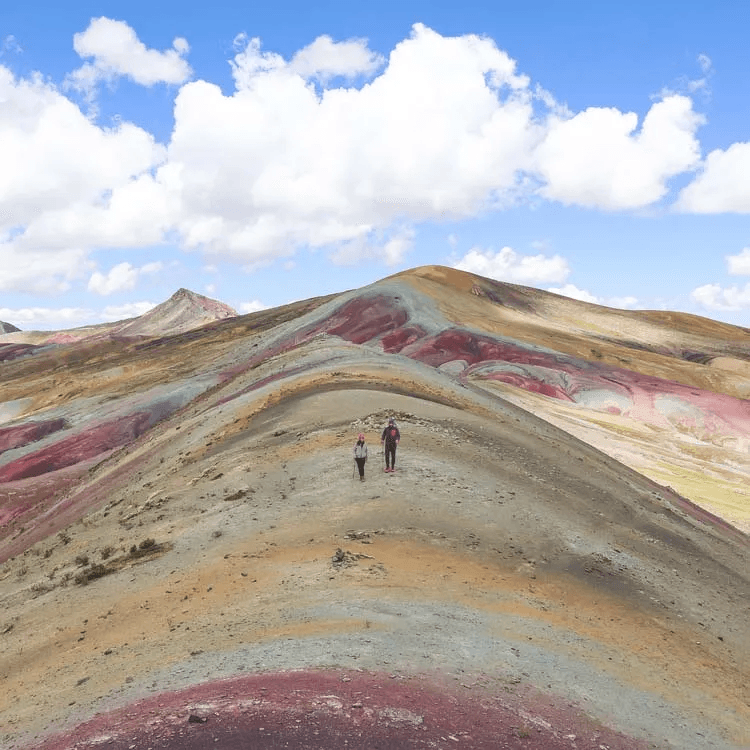
Month-by-Month Overview
- January–March: Wettest months; not ideal for photography or hiking. Only suitable for well-prepared, flexible travelers.
- April: Rain begins to taper; trails dry out. A good shoulder-season option.
- May–July: Peak dry season and most popular window. Bright views and clear skies.
- August: Still dry but can be colder and windier. Dress in layers.
- September: Excellent weather and fewer crowds as the season tapers
- October: Another good shoulder month, with chances of light rain.
- November–December: Rain picks up; colorful views are often hidden behind clouds.
Plan Out the Perfect Time
The best time to plan your Rainbow Mountain tour in Peru truly depends on your priorities. If you’re chasing vivid photos and comfortable trails, the dry season is ideal. If you’re looking for solitude and are willing to trade perfect visibility for peace and quiet, the shoulder or wet seasons may surprise you.
No matter when you go, Rainbow Mountain Expeditions offers tailored experiences, whether it’s the popular Vinicunca trail, a private Wilcacunca hike, or combining it with cultural add-ons like the Condor Canyon or Seven Lakes Tour. Whenever you trek, we’ll make it unforgettable. Book your tour now!