
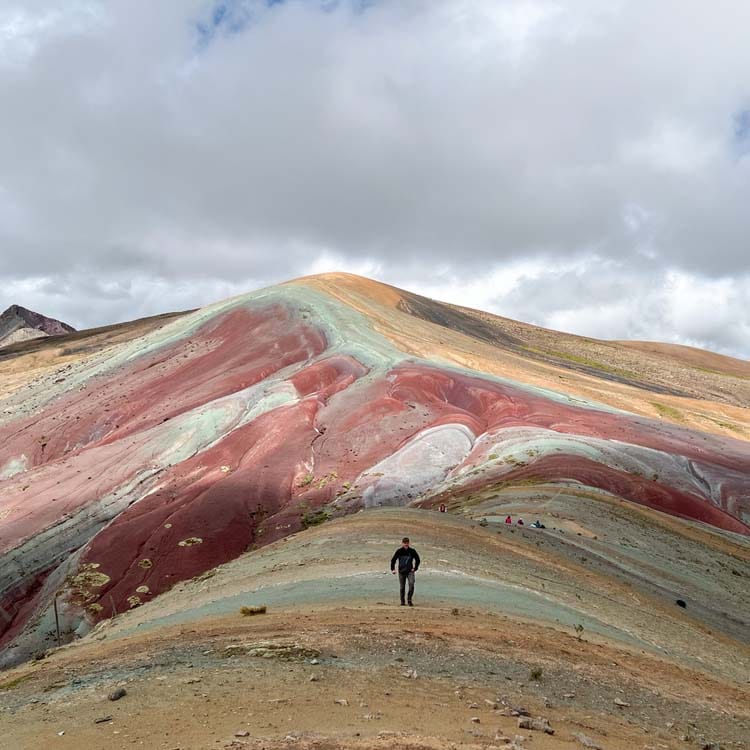
High-altitude trekking in Peru demands proper preparation, especially if you plan to hike challenging routes like Rainbow Mountain or the Choquequirao trek. These trails are physically demanding due to elevation, temperature shifts, and remote conditions. Here’s a practical breakdown of what you should bring to stay safe, comfortable, and prepared during a Peru day trip.
Clothing and Layering for Sudden Weather Changes
At high altitudes, the weather can shift dramatically within hours. You’ll need a reliable layering system that allows you to adjust to changing temperatures. Start with a moisture-wicking base layer to manage sweat and reduce chill. Avoid cotton; synthetic or merino wool is better. Add an insulating mid-layer like a fleece or down jacket for warmth. The final layer should be a windproof and waterproof shell. Make sure it’s breathable so you don’t overheat during ascents. Bring a hat, gloves, and a buff or neck gaiter. At higher elevations, UV exposure is stronger, so a wide-brimmed sun hat and UV-protection sunglasses are also important.
Footwear and Socks
Footwear is a key part of your gear. Use well-broken-in hiking boots with ankle support and good tread. Avoid brand-new shoes, as they can cause blisters on long hikes. Pair your boots with wool or synthetic hiking socks, and bring at least two or three pairs. If you’re prone to blisters, pack blister pads or moleskin. If hiking in the rainy season, pack lightweight gaiters to prevent mud and water from getting into your boots.
Hydration and Nutrition
The dry air at altitude and increased physical exertion mean you’ll need more water than usual. Carry a hydration system, like a 2–3 liter reservoir, and bring a backup water bottle. Use purification tablets or a filter if refilling from natural sources. To stay energized, bring high-calorie snacks like energy bars, dried fruit, trail mix, and electrolyte tablets. Eat small amounts regularly even if you’re not hungry—appetite can decrease at higher elevations, but your energy demands will increase.
Managing Altitude Sickness
Altitude sickness is a real concern, especially above 2,500 meters. Rainbow Mountain and Choquequirao both exceed this elevation. Acclimatize in Cusco for at least two days before any serious hiking. Drink plenty of water, avoid alcohol, and keep meals light but frequent. Consider taking acetazolamide (Diamox) after consulting your doctor. Locals also recommend coca tea, which you’ll find in many places around Cusco. If symptoms worsen—like nausea, dizziness, or shortness of breath—descend immediately and seek help.
How to Start Planning
Whether you’re interested in a Rainbow Mountain private tour or combining the Rainbow Mountain and Red Valley tour with a Sacred Valley day trip from Cusco, getting expert help makes a difference.
For reliable support and experienced guides, get in touch with the Rainbow Mountain Expeditions. We offer some of the best Rainbow Mountain tour company packages with small groups and custom choices.
Ready to prepare for your trip? Reach out today to learn more.