
Traveling in Peru offers a wide range of experiences, from ancient ruins to high-altitude treks and local markets. An integrated Peru itinerary design helps travelers combine these opportunities in a logical order, balancing sightseeing with adequate rest. Proper planning ensures visitors maximize each destination without feeling rushed or fatigued, allowing for a more comfortable and memorable experience. Careful sequencing also provides time for acclimatization and cultural immersion, which is often overlooked in hastily arranged trips.
Thoughtful pacing also allows travelers to interact with local communities, sample regional cuisine, and absorb traditional practices, making each day enriching and more connected to Peru’s culture.
Sequencing High-Altitude Treks
High-altitude treks require thoughtful placement in any multi-day itinerary. Starting with lower-elevation sites before tackling more challenging treks allows travelers to acclimatize naturally and reduces health risks effectively. Incorporating experiences like the Rainbow Mountain 2-day trek after initial stops helps prevent altitude sickness, preserves energy, and ensures hikers have sufficient stamina for longer hiking days.
Gradually increasing elevation also allows participants to enjoy the scenery fully, take photographs, absorb the unique Andean environment, engage with local communities, appreciate native flora and fauna, and integrate brief rest periods, making each trekking segment both safe, enriching, and physically manageable for travelers of varying experience levels.
Efficient Transportation Planning
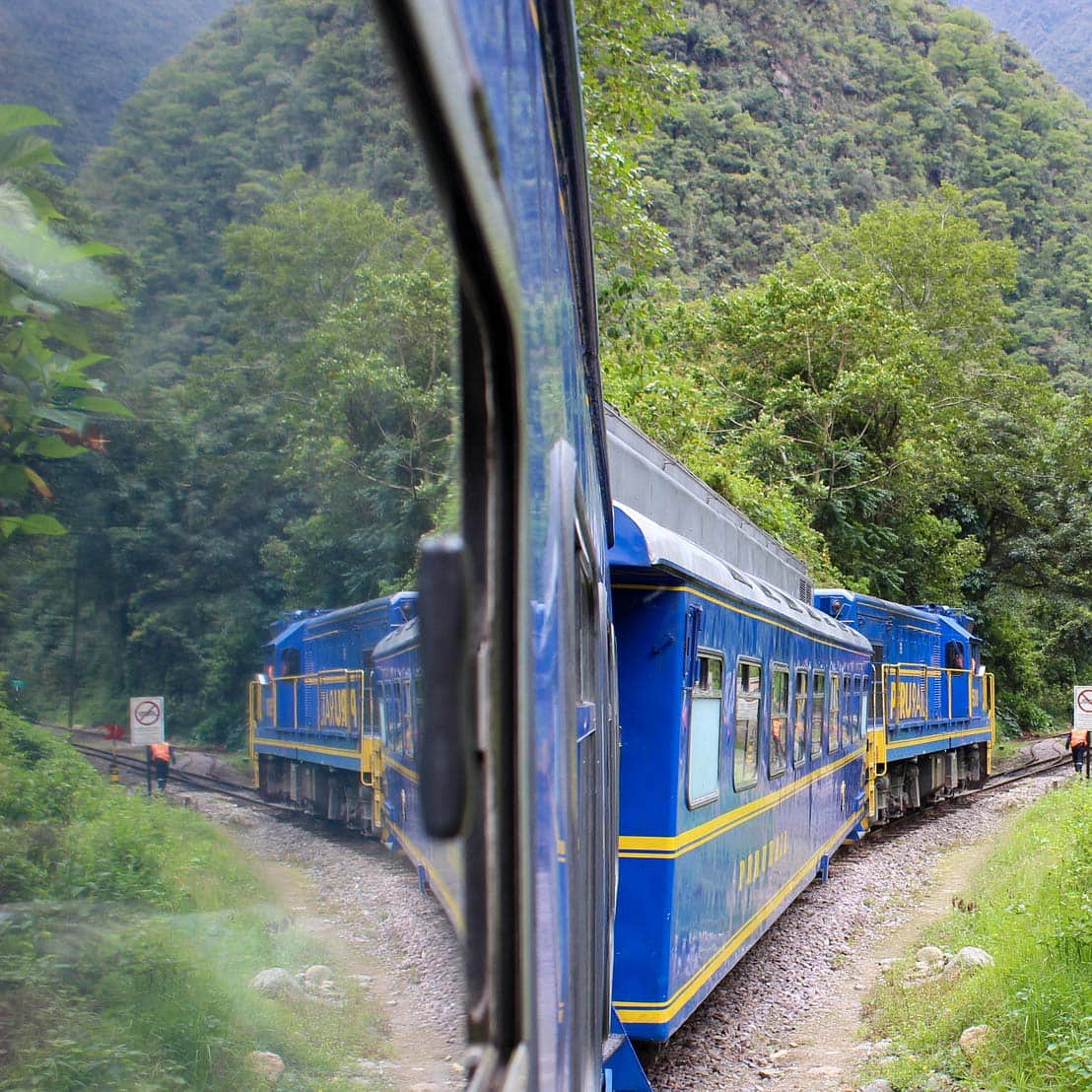
Transport plays a major role in a successful itinerary. Using options such as a Machu Picchu package tour with train transfers reduces travel fatigue and ensures a steady schedule. Scheduling travel between destinations with thoughtful timing and rest breaks ensures travelers have energy for trekking, cultural visits, and photography. Efficient routing also minimizes long consecutive travel days, which can otherwise limit the enjoyment of each site and impact recovery.
Integrating Cultural Stops
Adding cultural experiences between treks enriches the itinerary and helps balance physical activity with education. Sites like the Sacred Valley day trip can be slotted between physically demanding activities to provide a change of pace. Visitors gain insight into local traditions, history, and crafts while giving their bodies time to recover. Combining cultural experiences with trekking days creates a rhythm that blends physical exertion with mental engagement, making the overall trip feel more harmonious and rewarding.
Flexibility and Personalization
Offering flexible options benefits travelers with varying fitness levels or preferences. Private or small-group alternatives, such as a Rainbow Mountain private tour, allow participants to adjust pace, skip certain sections, or extend rest periods. This flexibility ensures that an integrated Peru itinerary design accommodates diverse needs while maintaining a logical sequence. Small adjustments to timing, rest, and activity levels can dramatically improve satisfaction and reduce stress during multi-destination trips.
Maximize Every Moment on Your Peru Trip
Building a multi-destination Peru package is about sequencing, pacing, and recovery. Thoughtfully combining high-altitude treks with cultural stops and experiences like a Machu Picchu package tour ensures travelers enjoy every moment comfortably. By planning strategically, offering flexibility, and allowing adequate recovery, an integrated Peru itinerary design makes each visit manageable, enjoyable, and truly memorable. Careful attention to order, transport, and pacing transforms a simple trip into a rewarding experience across Peru’s iconic destinations.
For a seamless combination of trekking, cultural experiences, and relaxation, Rainbow Mountain Expeditions provides packages that highlight balance and flexibility, making every trip unforgettable. Contact us today.