
When most travelers think about rest on a trek, they imagine long breaks. Sitting down for lunch. Reaching camp. Returning to the vehicle. What often gets overlooked is something much smaller but far more powerful. Micro-rest periods.
In the Andes, especially at altitude, how we rest matters just as much as how we walk. Strategic short pauses can dramatically improve endurance, mental clarity, and overall safety. Whether we are guiding a rainbow mountain ascent, operating a full Rainbow Mountain Peru Tour, or coordinating a multi-day trek, we rely on pacing science that includes controlled micro-rest intervals.
At Rainbow Mountain Expeditions, we design hiking rhythms intentionally. Micro-rest is not accidental. It is built into how we move.
Why Micro-Rests Matter More at Altitude
At elevations above 4,000 meters, the body works harder to deliver oxygen to muscles. On routes like rainbow mountain cusco or the humantay lake tour, even moderate inclines can feel intense.
When hikers push continuously without pause, oxygen debt builds quickly. That can lead to dizziness, headaches, and heavy fatigue later in the day. By contrast, short pauses allow breathing to stabilize and reduce cumulative strain.
During a rainbow mountain day trip peru, we intentionally incorporate brief standing breaks during steeper sections. These pauses are subtle but effective. They allow guests to recover just enough to continue climbing steadily.
The Science of Pacing Efficiency
Endurance performance research consistently shows that evenly distributed effort outperforms inconsistent bursts of speed. In simple terms, slow and steady wins.
On high-altitude excursions like a Rainbow Mountain a Day trip from Cusco, we coach guests to adopt a rhythm. Walk steadily for several minutes. Pause briefly. Resume at the same pace.
This pacing method is especially helpful on extended routes such as the Rainbow Mountain 2 day trek or the trek, where daily elevation gain must be managed carefully.
Micro-rests help prevent what we call energy crashes. Without them, hikers may expend too much energy early and struggle significantly in the final stretch.
Preventing Cumulative Fatigue
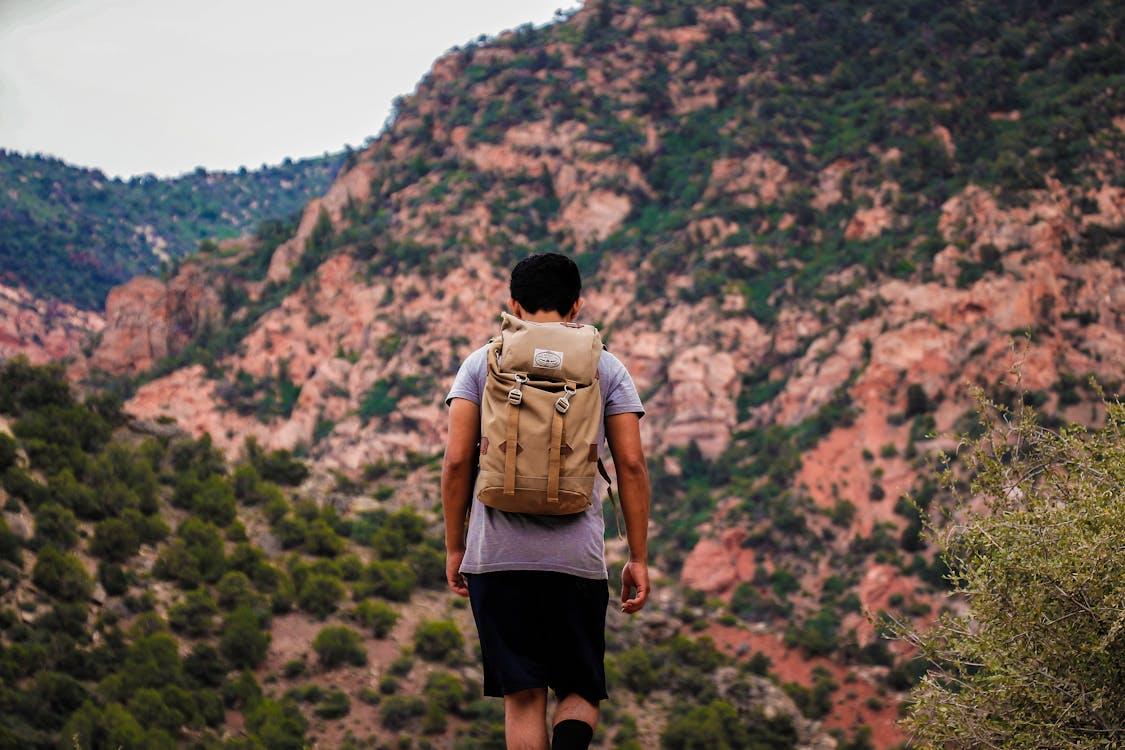
Cumulative fatigue is common in itineraries that combine multiple highlights. A guest might complete a rainbow mountain Cusco Peru hike one day and follow it with a Machu picchu day trip from cusco the next.
Without effective pacing, fatigue compounds.
Micro-rests reduce muscle strain and preserve joint stability, which becomes especially important during descent. Downhill sections on routes like the Rainbow Mountain Peru Tour can place stress on knees and ankles. Short, intentional pauses during descent lower injury risk.
When combined with structured travel order, such as beginning with a sacred valley tour from cusco before advancing to higher elevations, micro-rests contribute to long-term endurance.
Long-Term Benefits of Structured Pacing
Guests often tell us they are surprised by how manageable challenging routes feel. The reason is not luck. It is pacing science.
Micro-rests:
- Improve oxygen efficiency
- Reduce heart rate spikes
- Support mental clarity
- Lower injury risk
- Enhance overall enjoyment
Trek with Clarity and Confidence: Let Us Match the Route to Your Strength
Not all high-altitude treks are created equal. Terrain, slope, and oxygen demand shape every step.
At Rainbow Mountain Expeditions, we guide guests through options including rainbow mountain adventures, comprehensive Machu Picchu package tour programs, multi-day Rainbow Mountain Peru Tour experiences, and immersive Sacred Valley Trip itineraries.
Contact us today to plan your Andean journey. We will help you choose a trek that matches your goals, respects your endurance, and transforms altitude into achievement rather than obstacle.