
When travelers plan an Andean adventure, most attention goes to the destination. They research viewpoints, archaeological sites, and summit elevations. What often receives far less attention is transportation.
In mountain regions, transportation is not a simple transfer from point A to point B. Road conditions, altitude changes, timing windows, seasonal weather, and connection logistics all influence safety and experience quality. Whether we are operating a rainbow mountain excursion, coordinating a full Machu Picchu package tour, or arranging a series of curated Cusco Peru day trips, transportation planning is one of the most critical elements behind the scenes.
At Rainbow Mountain Expeditions, we treat transportation as a core part of risk management and itinerary design. Here is what travelers often overlook and how we plan strategically to protect every journey.
Road Conditions in High-Altitude Regions
Mountain roads are fundamentally different from highways in urban areas. Routes leading to rainbow mountain or remote trekking starting points often include narrow passages, unpaved stretches, switchbacks, and elevation shifts.
Road surfaces can vary dramatically within short distances. One segment may be smooth asphalt. The next may be gravel or compact dirt. Seasonal rainfall can affect traction and visibility.
When we operate a rainbow mountain day trip, our drivers are trained specifically for highland terrain. Vehicle selection also matters. Not all vehicles perform equally at altitude or on uneven roads.
For multi-day routes such as the Rainbow Mountain 2-day trek, we carefully coordinate drop-off and pickup points that are both safe and efficient.
Transportation in the Andes requires preparation, not assumption.
Timing Windows and Environmental Patterns
Mountain travel operates within timing windows. Weather conditions often shift by afternoon. Traffic builds around popular departure hours. Entry permits for archaeological sites are scheduled precisely.
For a Rainbow Mountain Day trip from Cusco, departure time affects road congestion and summit conditions. Leaving too late increases exposure to traffic delays and potential afternoon weather shifts.
Similarly, a Machu Picchu day trip from Cusco depends on synchronized timing. Guests must arrive at the train station with enough buffer to account for road variability. Missing a train connection can disrupt the entire day.
When we design a Machu Picchu Trip from Cusco, we build in structured margins between hotel pickup, station arrival, and boarding time. These buffers are intentional safeguards.
Altitude Changes During Transfers
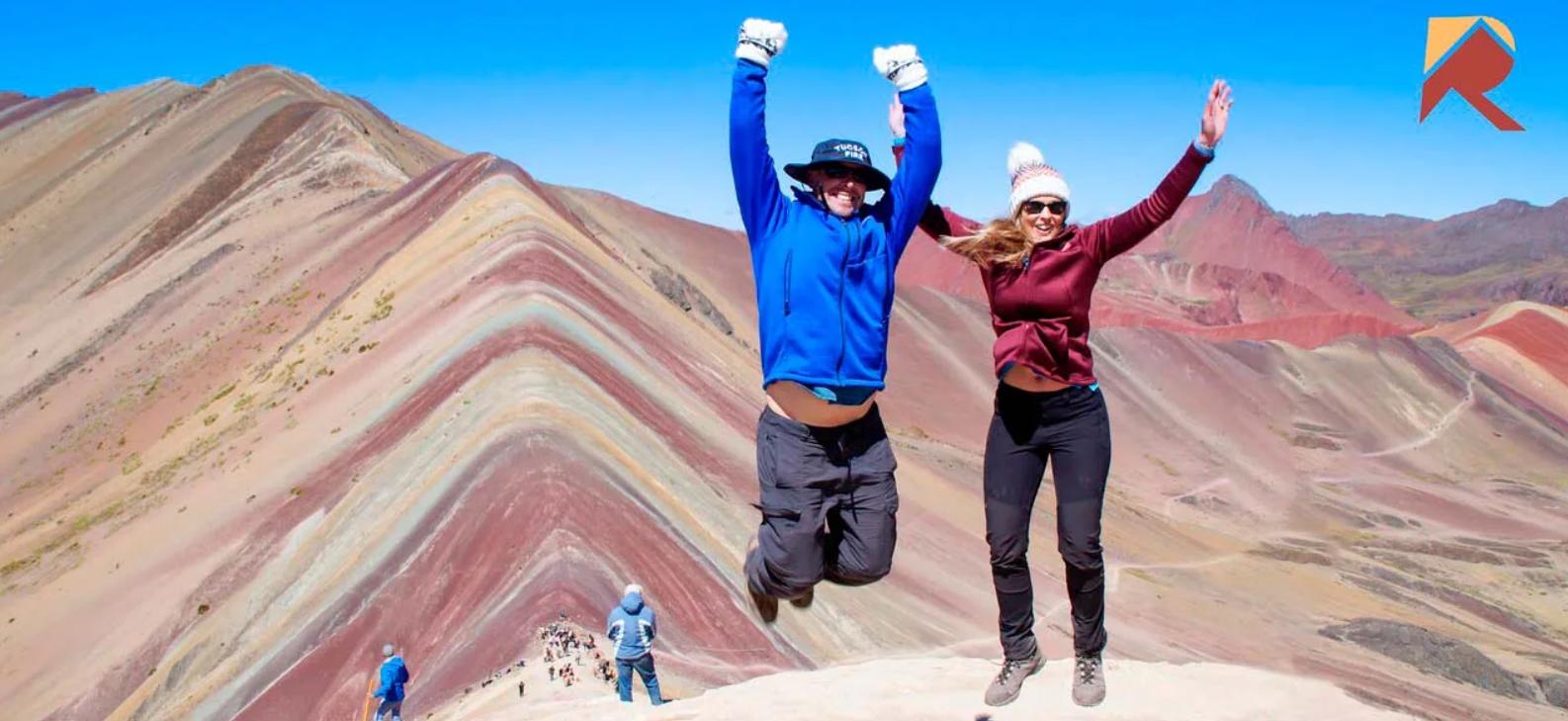
One factor travelers rarely consider is the physical effect of altitude changes during transportation.
Driving from Cusco to higher elevations such as Rainbow Mountain involves rapid ascent. Even before hiking begins, the body is adjusting to thinner air.
For this reason, we advise proper acclimatization before scheduling a Rainbow Mountain. Starting with a moderate sacred valley tour allows gradual adaptation before longer drives to higher altitudes.
On itineraries that combine a rainbow mountain and red valley tour with Machu Picchu visits, sequencing transportation thoughtfully reduces cumulative strain.
Transfer Strategy Between Destinations
Efficient transfer strategy is about geographic logic.
For example, when guests book a trip to Machu Picchu, we often coordinate a route that flows naturally from the Sacred Valley toward train departure points. This reduces backtracking and unnecessary travel time.
In programs that include both a Rainbow Mountain and a Sacred Valley Trip from Cusco, we map distances carefully. Minimizing long return drives preserves energy and shortens exposure to mountain roads.
For specialized experiences like a rainbow mountain tour, regional transfer planning becomes even more critical. Cross-regional travel requires detailed timing coordination and awareness of road conditions between provinces.
Vehicle Coordination and Driver Expertise
Behind every smooth journey is a coordinated team.
For a rainbow mountain private tour, we align vehicle size with group needs. Smaller groups may benefit from flexible departure timing. Larger groups require additional coordination to maintain pacing.
Drivers are selected not only for licensing but for highland experience. Mountain driving requires careful braking control, awareness of blind curves, and understanding of changing weather.
On routes that include activities such as horseback riding to rainbow mountain or a rainbow mountain ATV tour, timing between transport arrival and activity start must be precise. Late arrival can compress the activity window, while early arrival can create unnecessary waiting at altitude.
Professional coordination ensures smooth transitions.
Traffic Flow and Peak Periods
Popular destinations experience peak travel times.
Routes leading to Rainbow Mountain often see concentrated departure waves in the early morning. Strategic departure slightly ahead of or behind peak clusters can reduce delays.
Seasonal tourism patterns influence traffic intensity. During high season, even short routes can require additional buffer time.
When organizing affordable Machu Picchu tours, we apply the same logistical discipline as we do for premium programs. Cost does not determine coordination quality.
Plan Your Journey with Strategic Precision
At Rainbow Mountain Expeditions, we plan far beyond destinations. From road condition analysis to departure timing windows, every transfer is designed with purpose.
When you travel with us, transportation is not an afterthought. It is a strategy.
Contact Rainbow Mountain Expeditions today to plan your Andean adventure with confidence. With thoughtful logistics, expert drivers, and structured timing, your journey through the mountains will feel smooth, safe, and professionally managed from start to finish.