
Tucked away in the rugged Andean mountains, the Historic Sanctuary of Machu Picchu is more than just an archaeological site—it is a masterpiece of engineering, an enduring symbol of the Inca civilization, and a place shrouded in mystery. Each year, thousands of travelers make the pilgrimage to this UNESCO World Heritage site, hoping to uncover the secrets of a city that defies time and logic. But beyond the postcard-perfect views lies a deeper story—one of ingenuity, survival, and the unbreakable spirit of the Incas.
A City in the Clouds: The Origins of Machu Picchu
Built in the 15th century under the rule of the Inca emperor Pachacuti, Machu Picchu was a true feat of engineering. Perched at 2,430 meters (7,970 feet) above sea level, the city was constructed using dry-stone techniques, with precisely cut stones that fit together without mortar. This method allowed the structures to withstand earthquakes, a necessity in a region prone to seismic activity.
Machu Picchu’s exact purpose remains a topic of debate among historians. While many believe it served as a royal estate or retreat for the Inca elite, others suggest it may have been a religious or ceremonial center, strategically positioned between the Andean highlands and the Amazon jungle.
Rediscovery and Global Recognition
For centuries, Machu Picchu lay concealed from the rest of the world. After the fall of the Inca Empire in the 16th century, the site was abandoned and slowly consumed by nature. Though it was never entirely forgotten by local Indigenous communities, its existence was largely unknown to outsiders.
That changed in 1911, when American historian and explorer Hiram Bingham, guided by local farmers, brought international attention to the site. Though initially believed to be the lost city of Vilcabamba (a theory later disproven), Machu Picchu quickly gained recognition as one of the most significant archaeological discoveries of the 20th century.
Why Historic Sanctuary of Machu Picchu is an Engineering Marvel
What makes Machu Picchu truly extraordinary is the ingenuity of its construction. The Incas built an advanced urban center that blended seamlessly with its mountainous surroundings. Key elements of its architecture highlight the brilliance of Inca engineering:
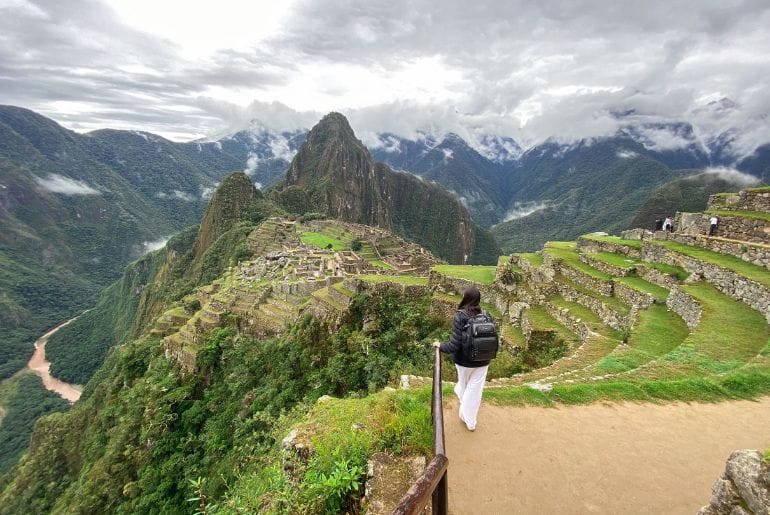
- Terracing System: To prevent landslides and provide stability, the Incas developed a system of agricultural terraces that improved drainage and minimized erosion.
- Advanced Water Management: Despite being built on steep terrain, Machu Picchu boasts an intricate network of fountains, canals, and aqueducts that supplied fresh water to its residents.
- Astronomical Alignment: Many of the structures, including the Intihuatana stone, were designed to align with celestial events, reflecting the Incas’ deep understanding of astronomy and its significance in their religious beliefs.
Key Sectors of The Historic Sanctuary of Machu Picchu
A visit to Machu Picchu is a journey through different sectors, each with its own unique significance:
- The Sacred Plaza: Home to the Temple of the Three Windows and the Principal Temple, this area is believed to have been used for important ceremonies and rituals.
- Intihuatana Stone: Often called the “hitching post of the sun,” this carved stone was likely used as an astronomical calendar to mark solstices.
- Agricultural Sector: The vast system of terraces surrounding Machu Picchu provided sustenance to its inhabitants while preventing erosion.
- The Residential Sector: Featuring well-planned stone dwellings, these buildings housed priests, nobles, and possibly high-status individuals associated with Inca royalty.
How to Experience Machu Picchu Today
Machu Picchu is accessible in several ways, each offering a different perspective on the journey:
- The Classic Inca Trail (4 Days): A trek along ancient paths used by the Incas, passing through ruins, cloud forests, and mountain passes before reaching Machu Picchu at sunrise.
- The Short Inca Trail (2 Days): A condensed version of the classic trek, still offering the thrill of arriving through the Sun Gate.
- By Train and Bus: A scenic train ride from Cusco or Ollantaytambo to Aguas Calientes, followed by a short bus ride to the entrance of Machu Picchu.
- Lares Trek (4 Days): More than just a trail, this is a journey into the heart of the Andes. You’ll walk past snow-capped peaks and crystal-clear lagoons while passing through small villages where life follows the rhythm of nature. Here, children greet you in Quechuat. The trek to Lares ends with a scenic train ride to the awe-inspiring Machu Picchu.
- Salkantay Trek (5 Days): If you’re after adventure and jaw-dropping landscapes, this is the trek for you. From the towering, snow-covered Salkantay Mountain to the lush green jungle, this route offers it all. You’ll cross dramatic mountain passes, ford rushing rivers, and admire impossibly blue glacial lakes before arriving at Aguas Calientes—your gateway to the legendary Machu Picchu.
- Choquequirao Trek (4-5 Days): This trek is for those who crave a true hidden gem. The path is demanding, with tough ascents and steep descents, but the reward is an ancient Incan city still shrouded in mist and mystery. No crowds, just quiet ruins, breathtaking landscapes, and the rare feeling of stepping back in time.
- For those looking to enhance their visit, an optional hike up Huayna Picchu or Machu Picchu Mountain offers panoramic views and a deeper sense of adventure.
Preserving Machu Picchu for Future Generations
Machu Picchu’s growing popularity has led to concerns about sustainability and preservation. The Peruvian government, in partnership with UNESCO, has implemented strict regulations, such as entry limits, designated circuits, and mandatory guides, to protect the site from excessive foot traffic. Visitors are encouraged to respect these efforts by following the rules, staying on designated paths, and minimizing environmental impact.
Do you want to know how to get to Machu Picchu? Find out in the following article: How to Get to Machu Picchu: A Step-by-Step Guide for Travelers from Around the World.
FAQ About The Historic Sanctuary of Machu Picchu
1. Why was Machu Picchu built?
Machu Picchu was constructed in the 15th century under the rule of the Inca emperor Pachacuti. Though its exact purpose is still debated, many historians believe it was a royal estate or retreat for Inca nobility. Others suggest it served as a ceremonial or religious center due to its alignment with astronomical events.
2. How was Machu Picchu rediscovered?
Machu Picchu gained worldwide recognition in 1911 when American historian and explorer Hiram Bingham rediscovered it. Local farmers guided him to the site, which had been largely unknown outside Indigenous communities.
3. How did the Incas build Machu Picchu without modern tools?
The Incas used advanced stone-cutting techniques and a method called ashlar masonry, where stones were precisely cut to fit together without mortar. This technique made the structures highly resistant to earthquakes.
4. Why is Machu Picchu considered an engineering marvel?
Machu Picchu features sophisticated drainage systems, agricultural terraces, and water channels, allowing it to withstand landslides and earthquakes. Its buildings and pathways were carefully planned to adapt to the mountainous terrain.
5. Can you visit the Historic Sanctuary Machu Picchu without hiking the Inca Trail?
Yes, you can take a train from Cusco or Ollantaytambo to Aguas Calientes (Machu Picchu Town) and then board a short bus ride to the entrance. No hiking is required for this route.
6. What are the best months to visit Machu Picchu?
The best time to visit is during the dry season from May to September, when there is less rainfall and clearer skies. The rainy season (November to March) sees fewer crowds but can have slippery trails.
7. Do I need a guide to enter The Historic Sanctuary Machu Picchu?
Yes, as of recent regulations, visitors must enter with an official guide. This is part of an effort to protect the site from over-tourism and preserve its historical integrity.
8. What is the difference between Machu Picchu Mountain and Huayna Picchu?
Huayna Picchu: A steep climb with narrow trails, offering a famous aerial view of Machu Picchu. Permits are limited and must be booked in advance.
Machu Picchu Mountain: A longer but more gradual hike with breathtaking panoramic views.
9. Is there a time limit for visiting Machu Picchu?
Yes, entry tickets are issued for specific time slots, and visitors are encouraged to follow designated circuits to manage crowd flow. Most visits last between 2 to 4 hours.
10. How can I help protect Machu Picchu during my visit?
To preserve this world heritage site, follow these guidelines:
- Stick to designated paths.
- Avoid touching or climbing on ruins.
- Do not bring single-use plastics.
- Respect time limits and conservation regulations.