-
-
-
The Ultimate Strategic Guide to Planning a High-Altitude Peru Expedition in 2026
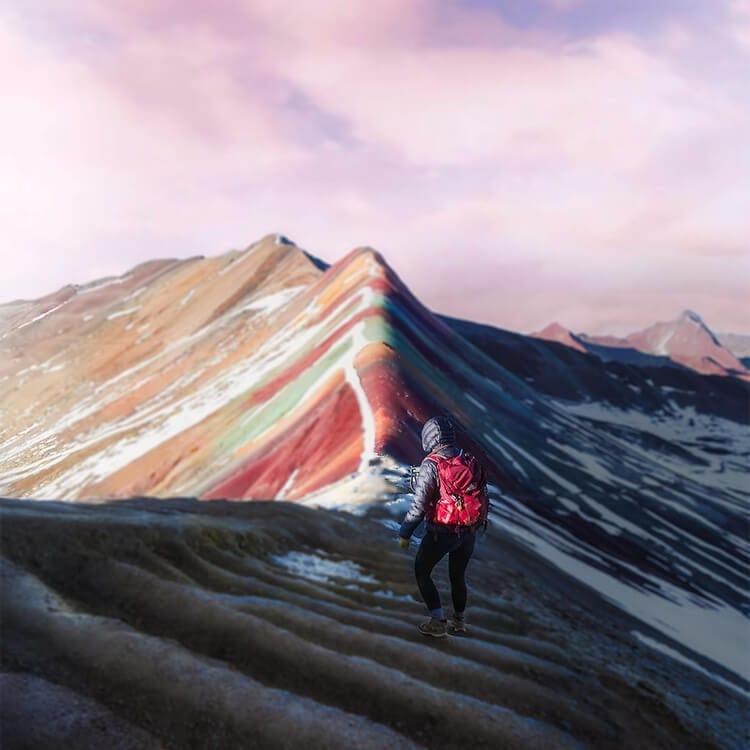
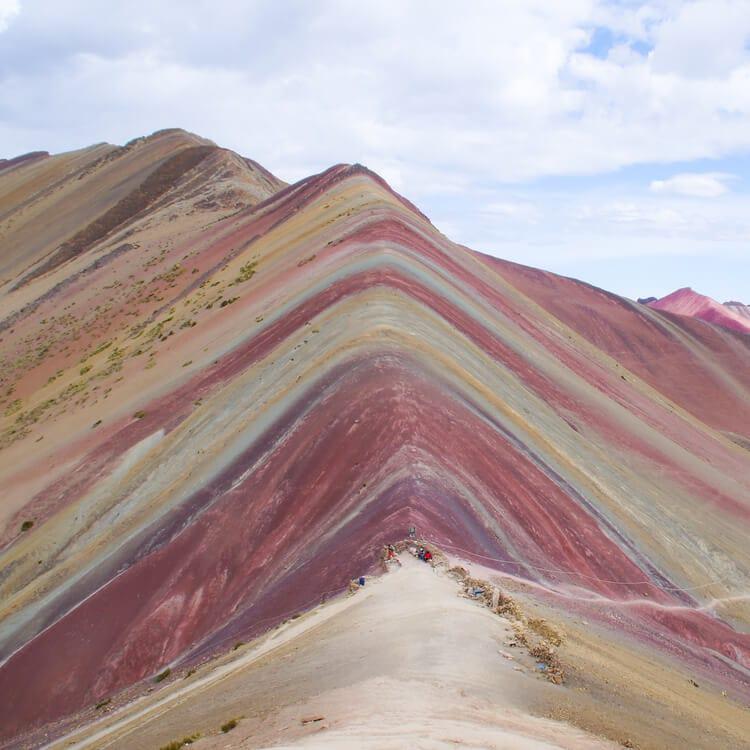
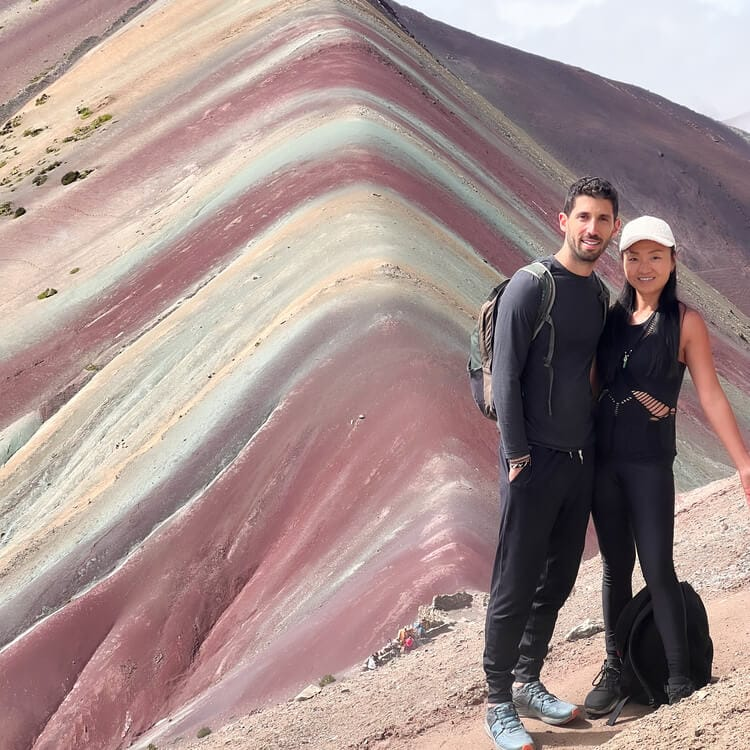
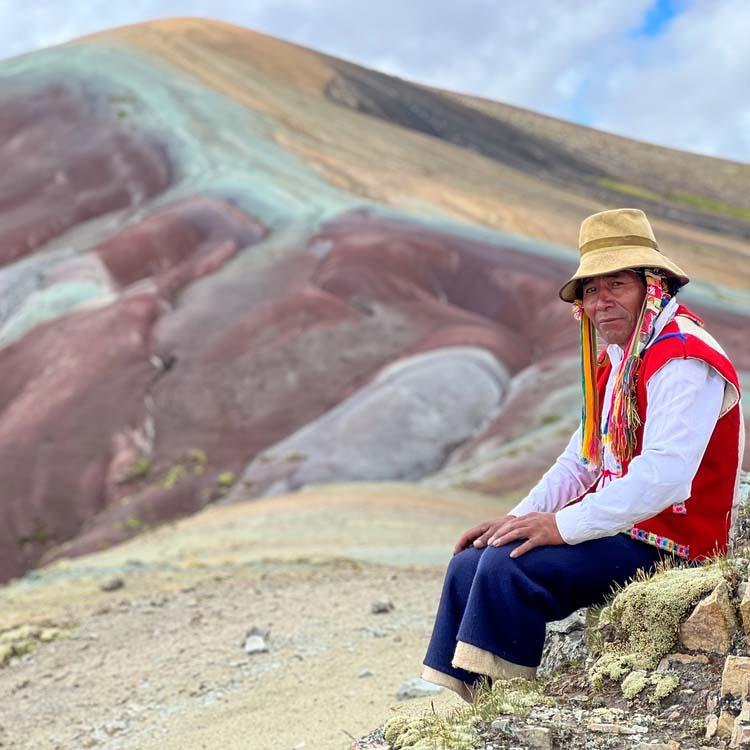
Planning a high-altitude expedition in Peru requires thoughtful preparation, smart scheduling, and realistic expectations about trekking conditions. Many travelers begin their Andean adventure with a Rainbow Mountain Peru tour from Cusco, which introduces hikers to challenging elevations while offering an organized trekking experience. With elevations frequently exceeding 4,000 meters, these trips require physical preparation, acclimatization, and…
-
Building Multi-Destination Peru Packages That Make Sense
Traveling in Peru offers a wide range of experiences, from ancient ruins to high-altitude treks and local markets. An integrated Peru itinerary design helps travelers combine these opportunities in a logical order, balancing sightseeing with adequate rest. Proper planning ensures visitors maximize each destination without feeling rushed or fatigued, allowing for a more comfortable and memorable…
-
Why Choquequirao Is Called the ‘Sister of Machu Picchu’
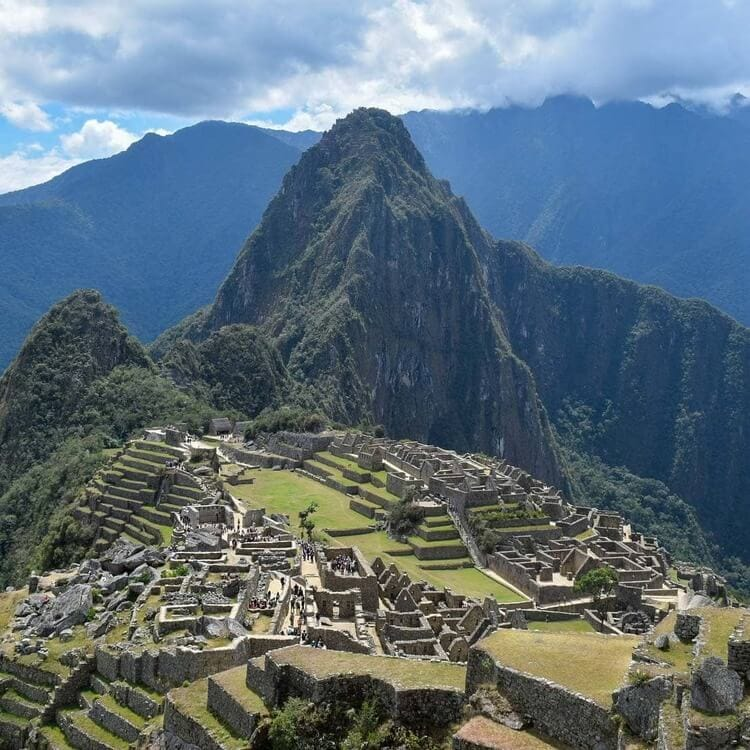
The Choquequirao trek offers an immersive experience along the Neo-Inca Expedition Trail, giving travelers insight into a lesser-visited Incan site often compared to Machu Picchu. This route highlights the impressive scale of Incan architecture, steep mountain terraces, and strategic urban planning designed for both defense and agriculture. Unlike Machu Picchu, Choquequirao sees fewer visitors, which allows for…
-
Linking Puno and Cusco Through High-Altitude Circuits
The altiplano connection route plan provides a strategic framework for linking Puno and Cusco, integrating high-altitude transport corridors with efficient scheduling for the Rainbow Mountain Puno tour. Travelers navigating the Andean plateau benefit from careful planning that balances travel time, acclimatization, and sightseeing opportunities. By coordinating transfers between towns, rest stops, and guided excursions, the route plan…
-
Horseback Trekking as an Access Solution
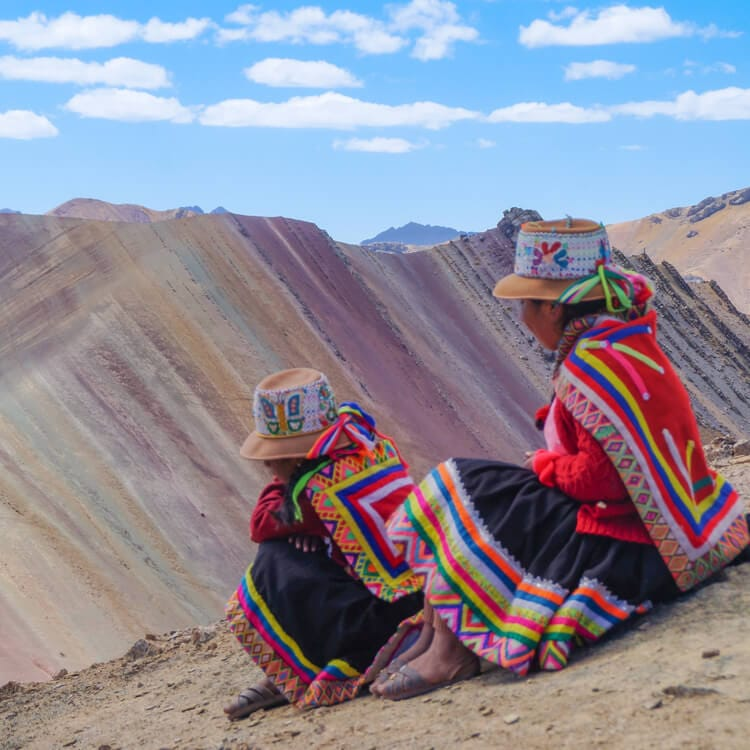
Horseback riding to Rainbow Mountain provides a practical application of the equestrian altitude mobility model, allowing travelers of varying fitness levels to experience high-altitude terrain without extensive physical strain. By integrating horses into trekking routes, guides can accommodate participants who may otherwise struggle with long ascents, making Rainbow Mountain accessible to a wider audience. The approach…
-
Condor Watching and Canyon Trekking: A Different Andes
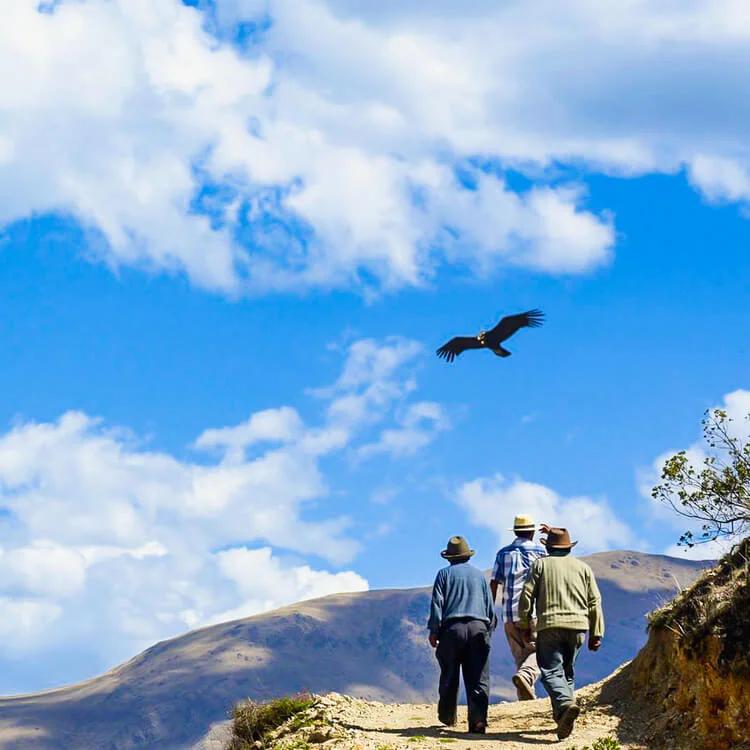
The Andes contain diverse environments beyond famous archaeological destinations. One remarkable experience comes through the Condor corridor trekking routes, a network of canyon trails known for dramatic geology and active wildlife habitats. Travelers joining a Condor Canyon tour gain insight into how these mountain corridors support both biodiversity and traditional trekking routes. These highland canyons create…
-
The Cultural Layer Behind Sacred Valley Routes
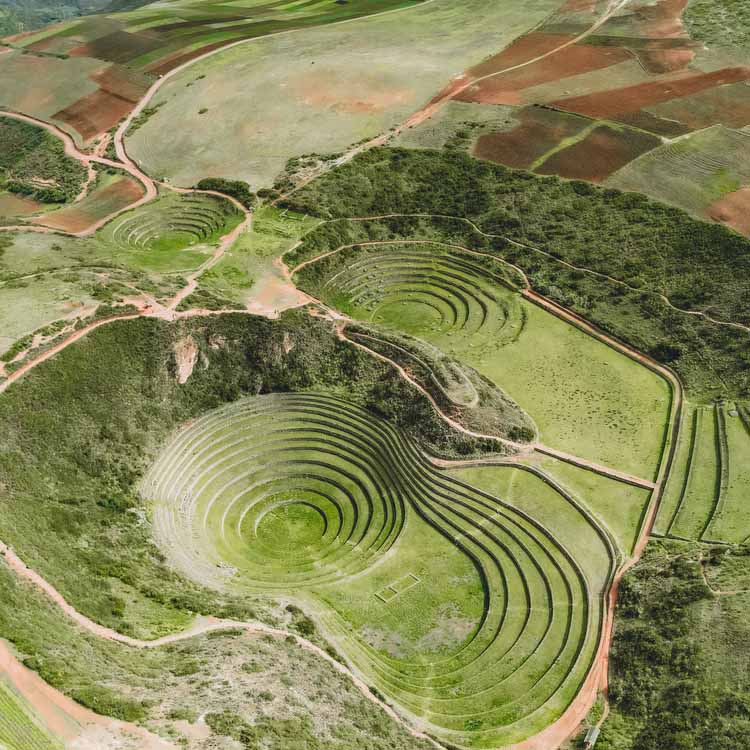
Travelers visiting the Andes often focus on major archaeological sites, yet the region’s cultural significance extends far beyond stone structures. The concept of the Sacred Valley heritage corridor helps explain how settlements, agricultural systems, and living traditions remain connected throughout the valley. A typical Sacred Valley day trip introduces visitors to this cultural continuity, where historic communities…
-
Planning High-Impact Day Trips from Cusco
Travelers planning Cusco, Peru day trips often want to experience several destinations while maintaining comfortable energy levels. The single-day altitude circuit model offers an effective approach for structuring these outings. Instead of packing too many demanding stops into a single schedule, this model focuses on thoughtful sequencing of elevation, travel time, and activity intensity. Using this framework,…